• Discover essential steps to secure and assess wind-damaged roofs, ensuring your safety
• Learn about immediate actions to take post-damage, from documenting to temporary fixes
• Find professional advice on roof repair or replacement to restore your home effectively
Proactive Measures: Your Roof’s Best Defense
Acting fast after wind damage is pivotal, yet the true power lies in prevention. It is the meticulous homeowner who schedules regular residential roofing check-ups, who steers clear of potential crises. Such forethought not only preserves the roof’s integrity but also the treasure trove beneath it—your home and memories. Remember, the roof that stands vigilant today, with proper attention, can withstand the furies of tomorrow’s storms. By embodying proactive habits, not only is the roof safeguarded, but a sense of enduring comfort is also secured for you and your family.
Embracing a long-term perspective shifts the narrative from reactive to strategic—healing small wounds before they become gaping vulnerabilities. Awareness of common post-windstorm symptoms in your roof is vital: from minor misplacements to visible punctures that demand immediate remedy. Bear in mind, each delayed repair can escalate into a costlier and more complex scenario over time. That’s why engaging with seasoned experts in roof restoration at the first sign of trouble isn’t just advisable, it’s a financial and structural imperative. Vigilance today is undeniably the armor against the cascading effects of neglect.
In signing off, let’s reinforce this guiding principle: roofs can be mended, but peace of mind is built on the rock of prevention and immediate action. Your Connecticut home needs a bulwark against the winds, and it starts with clear, decisive steps in the aftermath of every gale. Stepping up to the challenges posed by wind damage today means living with a quieter mind, knowing that when the winds do howl, you’re ready. Your readiness and resilience mirror the strength of the very roof that protects you. Here’s to standing strong against the wind, with the wisdom of preparation and the assurance of expert care at your fingertips.
When the Wind Howls: Immediate Action for Your Roof
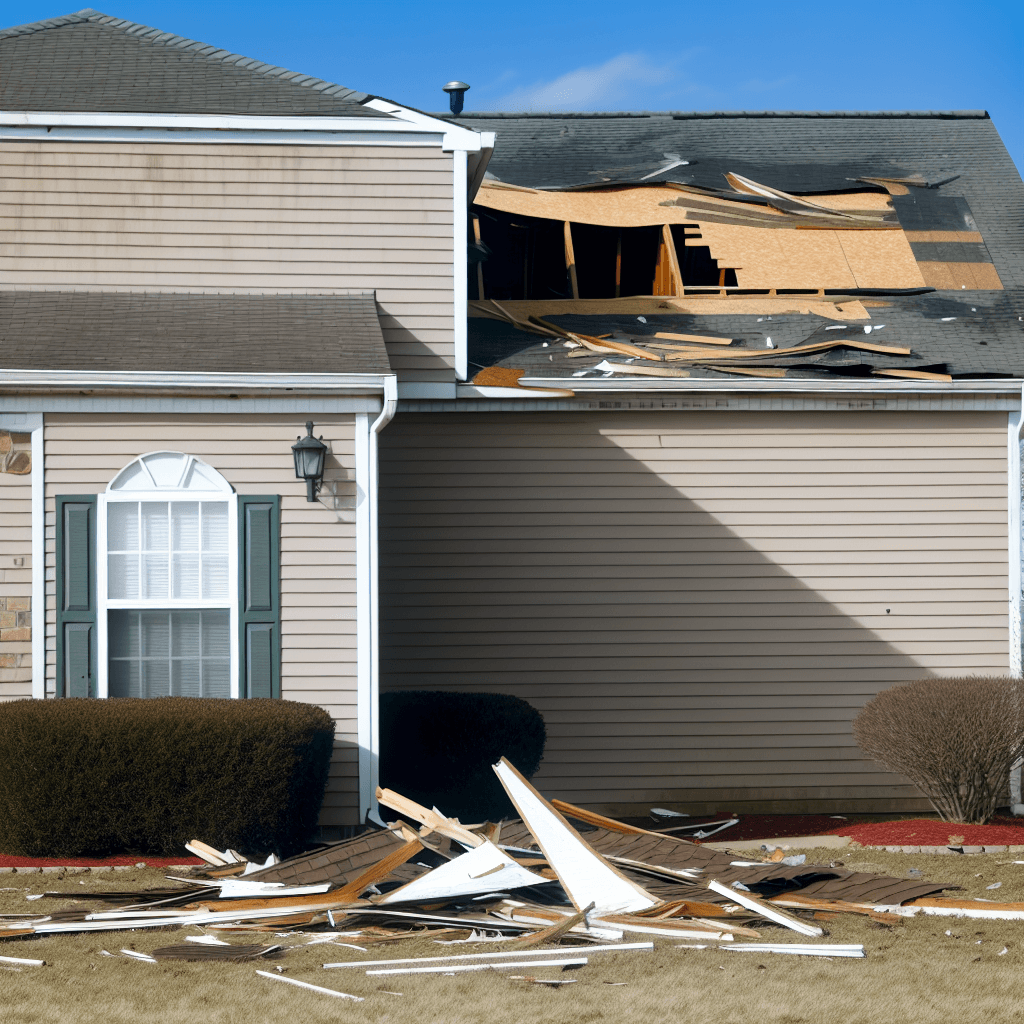
Imagine stepping outside your Connecticut home after a blustery windstorm, only to find scattered remnants of what once sheltered you and your family. It’s a scenario far too real for many, and it acts as a stark reminder that the forces of nature demand respect and timely responses. Recognizing the urgency to inspect for any signs of wind damage to your roof could mean the difference between a quick fix and a complete overhaul. With the primary keyword in mind – what to do if your roof is damaged by wind – now is the time for homeowners to take stock and act swiftly. Being proactive before the next gust can save much more than just money; it safeguards the integrity of your home.
In the wake of wind havoc, the risks of delayed action multiply by the hour. Unseen vulnerabilities can invite leaks, leading to structural weaknesses and fostering mold that threatens your health. The cost of complacency can spiral from minor roof repairs to complex, expensive restorations. It’s a critical moment where understanding the importance of quick, decisive action can’t be overstated. Knowing the immediate steps to take—not just for your roof, but for the safety of those under it—is essential and exactly what this article aims to provide.
Your roof is your first line of defense against the tempests that Mother Nature conjures, and its well-being is crucial for the protection of your entire household. It’s the moment to embrace that sense of urgency, recognizing that the safety of your home hinges on the choices you make post-storm. This introductory section not only lays the foundation for the practical, detailed procedures to come but also assures you that taking the right steps will lead to peace of mind and security. As we dive deeper into the ‘how-tos’, you’ll gain the knowledge needed to address this pressing issue with confidence.
Proactive Measures: Your Roof’s Best Defense
Acting fast after wind damage is pivotal, yet the true power lies in prevention. It is the meticulous homeowner who schedules regular residential roofing check-ups, who steers clear of potential crises. Such forethought not only preserves the roof’s integrity but also the treasure trove beneath it—your home and memories. Remember, the roof that stands vigilant today, with proper attention, can withstand the furies of tomorrow’s storms. By embodying proactive habits, not only is the roof safeguarded, but a sense of enduring comfort is also secured for you and your family.
Embracing a long-term perspective shifts the narrative from reactive to strategic—healing small wounds before they become gaping vulnerabilities. Awareness of common post-windstorm symptoms in your roof is vital: from minor misplacements to visible punctures that demand immediate remedy. Bear in mind, each delayed repair can escalate into a costlier and more complex scenario over time. That’s why engaging with seasoned experts in roof restoration at the first sign of trouble isn’t just advisable, it’s a financial and structural imperative. Vigilance today is undeniably the armor against the cascading effects of neglect.
In signing off, let’s reinforce this guiding principle: roofs can be mended, but peace of mind is built on the rock of prevention and immediate action. Your Connecticut home needs a bulwark against the winds, and it starts with clear, decisive steps in the aftermath of every gale. Stepping up to the challenges posed by wind damage today means living with a quieter mind, knowing that when the winds do howl, you’re ready. Your readiness and resilience mirror the strength of the very roof that protects you. Here’s to standing strong against the wind, with the wisdom of preparation and the assurance of expert care at your fingertips.
Roofing Wisdom: Safeguarding Your Home
Tip 1:
After a windstorm, inspect your roof for signs of damage, such as missing shingles or bent flashing. Timely identification can prevent leaks and further structural damage.
Tip 2:
If you find debris or branches on your roof, remove them carefully to avoid causing additional damage. Consider hiring a professional to ensure safety and prevent unintentional harm to your roofing materials.
Tip 3:
Document any damage you find with photos or videos before making temporary repairs. This documentation is vital for insurance claims and for professional roofers to understand the extent of the damage.
Tip 4:
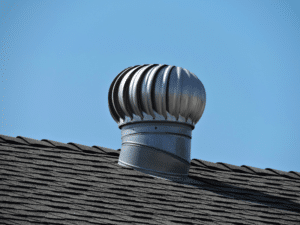
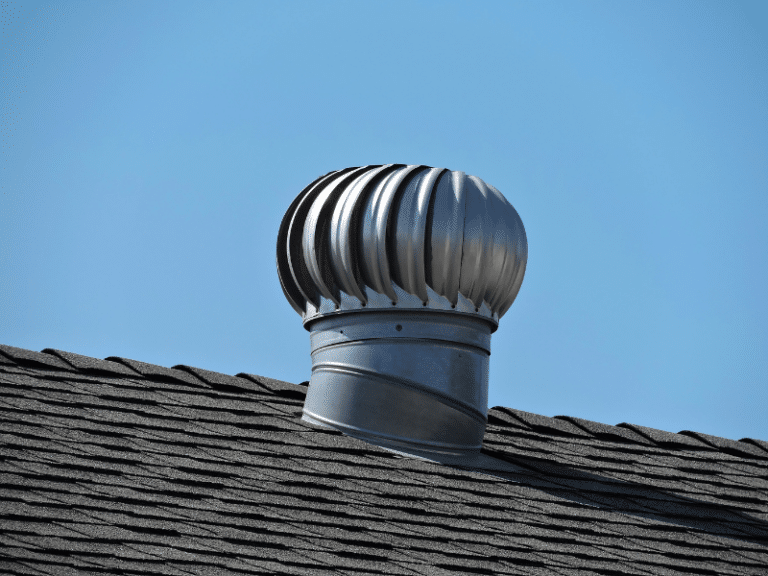
Ensure your attic has proper ventilation and insulation. Appropriate airflow can help mitigate wind uplift forces during a storm and prevent damage from the inside out.
Tip 5:
Avoid nailing down loose shingles as a temporary fix, as improper nailing can cause further issues. Professional repairs ensure that shingles are secured correctly, and the roof’s integrity is maintained.
Expert Insights on Roof Wind Damage
How can I tell if my roof has been damaged by wind?
Look for missing, cracked, or curling shingles and listen for unusual noises in the attic that may indicate movement or damage to the roof structure from wind.
What immediate steps should I take if I notice wind damage on my roof?
Secure any loose items to prevent further damage, cover broken areas with a tarp to prevent water ingress, and contact a professional roofer to assess and repair the damage promptly.
Will my homeowner’s insurance cover the cost of repairs for wind damage?
Most homeowner’s policies cover wind damage, but it’s critical to review your specific coverage details, as deductibles and limits can vary significantly between policies.
How can I prevent wind damage to my roof in the future?
Regularly maintain and inspect your roof, ensuring shingles are secure and replacing any that are damaged, and consider investing in wind-resistant roofing materials if you live in a high-wind area.
What are the long-term effects of unaddressed wind damage on a roof?
Neglecting wind damage can lead to persistent water leaks, structural weakening, and the potential for catastrophic roof failure over time. It can also result in increased repair costs and reduced lifespan of the roofing materials.