• Identify signs your Maine home needs a new roof, from leaks to energy inefficiency
• Follow a detailed guide on material selection, roofer vetting, and installation scheduling
• Learn DIY roofing mistakes to avoid and why professional installation is the best choice
Recognizing When It’s Time for a New Roof
The roof serves as the first line of defense against Maine’s ever-changing weather, but it doesn’t last forever. It’s crucial to recognize the warning signs suggesting it’s time for a new roof to protect your home reliably. Some of the most evident indicators are a roof that’s nearing the end of its typical lifespan, often 20-25 years for asphalt shingles, or one that’s beset with missing or curling shingles. These glaring issues can result in leaks that damage your home’s interior, structure, and peace of mind.
Leaks are serious alerts that shouldn’t be ignored, as they point to existing damage and potential for more. If you’re catching water in buckets every time it rains or you’ve noticed stains on your ceilings, these are clear prompts for action. Beyond the obvious, persistent mold, or moss growth on roof surfaces can also imply moisture problems that may necessitate a full roof replacement.
Inadequate ventilation can lead to excessive heat and moisture buildup in your attic, causing your roof to deteriorate prematurely. Look out for any sagging or drooping, which could signal structural issues, particularly important to address before the harsh Maine winter sets in. If your energy bills have been creeping up, this too could be a sign that your roof’s insulating properties are compromised. Before proceeding with Step 1: Research and Choose Your Roofing Material, these problematic indications compel a thorough inspection to avoid costly future repairs.
Selecting the Right Material for Your Roof
Choosing the right roofing material is a pivotal decision that can affect the longevity and performance of your roof for decades. In Maine, the materials must not only complement the architectural style of your home but also be robust enough to withstand the diverse elements of the seasons. From asphalt shingles known for their cost-effectiveness and versatility, to metal roofing, which offers durability and energy efficiency, options abound. It’s essential to weigh factors like longevity, maintenance, and not just initial costs, but also long-term savings from energy efficiency and durability.
Partnering with the Right Roofing Professionals
Once you’ve settled on a material, the next step is to select a contractor who can bring your vision to life with skill and precision. Not all roofers are created equal; it’s imperative to choose a team that’s not just local to Maine but also carries a reputation for quality and reliability. Look for licensed and insured contractors, like Adam Quenneville, that understand the local codes and weather challenges. By partnering with experienced professionals, you ensure that the timeline and expectations for new roof installation are met with expertise and minimal hassle.
Step 1: Research and Choose Your Roofing Material
Begin the process by researching and selecting the right roofing materials for your needs. Factor in the local climate in Maine, the durability of materials, and aesthetic preferences. Consider asking for samples to see how different materials will look on your roof.
Step 2: Find a Reputable Local Roofer
Search for a licensed and insured roofing contractor with experience in Maine. Ask for references and check reviews to ensure they have a track record of on-time and within-budget installations.
Step 3: Get an On-site Evaluation and Quote
Have your chosen professional conduct an on-site evaluation. They should measure your roof and provide a detailed quote that covers all aspects of the new roof installation.
Step 4: Schedule the Installation
Work with your contractor to choose an installation date. Summer is ideal in Maine due to the favorable weather conditions, which can facilitate a smoother and faster installation.
Step 5: Prepare Your Home
Prepare your property for installation by securing loose items, covering valuables, and providing clear access to the work area. Inform your neighbors about the upcoming work as a courtesy.
Step 6: Roof Installation Process
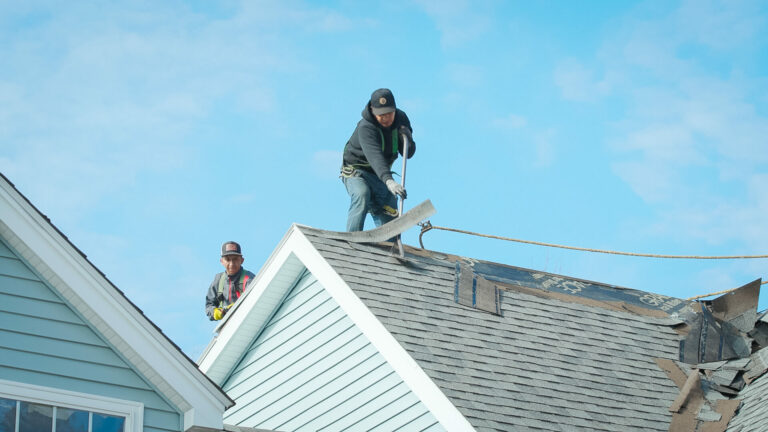
The contractor will remove the old roofing, prepare the roof deck, and install the new materials. They should keep you updated on their progress and any adjustments to the timeline.
Step 7: Conduct a Post-Installation Inspection
After installation, do a walk-through with the contractor. This enables you to review the work and ensure everything has been completed to your satisfaction.
Step 8: Understand Maintenance and Care
Lastly, discuss maintenance and care with your contractor. Proper upkeep is crucial for extending the life of your new roof and ensuring its performance against the elements.
Common DIY Roofing Mistakes to Avoid
As you embark on the journey of installing a new roof, caution is key. Roofing requires precision and knowledge, and when homeowners tackle this sizeable project, mistakes can happen. Understanding these pitfalls is crucial for maintaining the integrity of your roof and ensuring a successful project with longevity in mind.
Mistake 1: Choosing Materials Based Solely on Price
While budget is a significant consideration, the cheapest option is not always the best for Maine’s diverse weather. Sacrificing quality for cost can result in a roof that demands frequent repairs or even an early replacement. To prevent this, weigh the material’s durability and compatibility with the local climate alongside the price.
Mistake 2: Skipping Professional Help
It can be tempting to go DIY or choose the first roofer you find, but not all contractors are equal in skill. An inexperienced or unlicensed roofer may overlook critical Maine building codes or install the roof incorrectly. Avoid this by finding a reputable local roofer with proven experience and solid references.
Mistake 3: Inadequate Planning
A new roof installation is not a spur-of-the-moment task. Failure to plan correctly can lead to schedule clashes or installation during Maine’s less favorable seasons. Coordinate with your roofer to schedule the installation at an optimal time, generally in the summer months.
Mistake 4: Poor Home Preparation
Neglecting to prep your home for the big day can lead to accidents or damage. Secure loose items, protect valuables, and ensure the roofing team has clear access. When everyone is informed, and the site is prepped, the installation process proceeds smoothly.
Mistake 5: Not Considering Future Maintenance
Finally, overlooking the future maintenance your new roof will require can be a costly misstep. Discuss with your roofer the necessary upkeep to keep your roof in top shape—this understanding maintenance and care is vital for the longevity of your investment.
Preparation and Installation: Laying the Foundation for Success
A thorough on-site evaluation by your contractor sets the stage for a successful roof installation. They’ll measure every aspect of your roof, spotting potential issues and advising on the best course of action. This assessment is not only vital for accuracy but also helps in drafting a more precise quote that aligns with the timelines and expectations for new roof installation.
Navigating the Logistics: From Planning to Project Completion
Scheduling your roof installation during summer can offer the most favorable conditions, especially in a state like Maine with its variable climate. By planning the project for this season, you ensure a smoother workflow and quicker completion. Optimal timing is key to minimizing interruptions to your daily life and preventing any weather-related delays.