• Learn urgent repair strategies for hurricane-damaged roofs to promptly secure your home against storm aftermath.
• Gain expert insights on selecting durable materials and aligning with building codes for lasting roof restoration.
• Discover preventive measures and partner with trusted professionals to strengthen your roof before hurricane season.
Final Thoughts on Preparedness and Protection
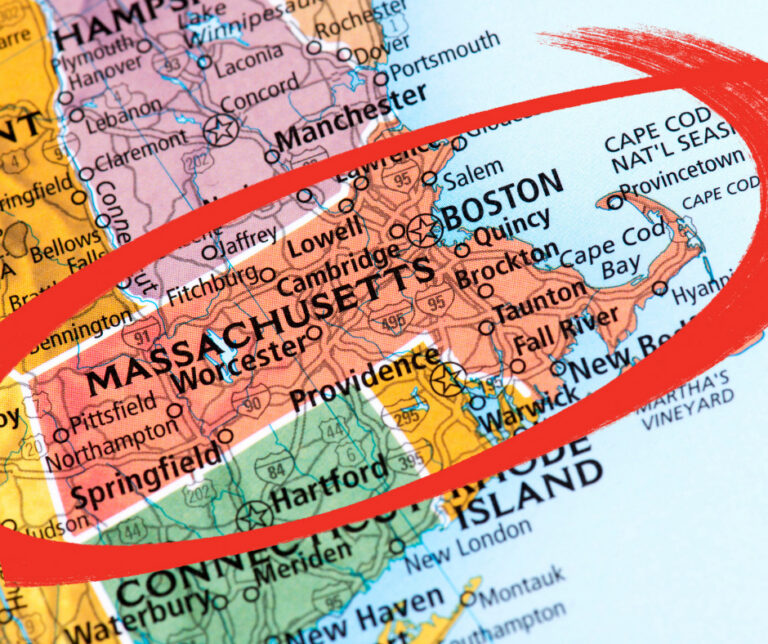
The importance of being proactive cannot be overstated when it comes to safeguarding your home against hurricanes. A robust emergency plan, paired with regular roof check-ups, may well be the linchpin in your home’s defense system against these fierce storms. Staying ahead of the curve by keeping abreast of the latest industry advancements and materials is just as important as the cleanup after a hurricane. For instance, investing in impact-resistant shingles can make all the difference when the next hurricane season strikes. Such forward-thinking measures are not just smart—they’re essential for anyone looking to maintain a secure and resilient home in areas like Massachusetts.
Building a Relationship with Your Roof Professional
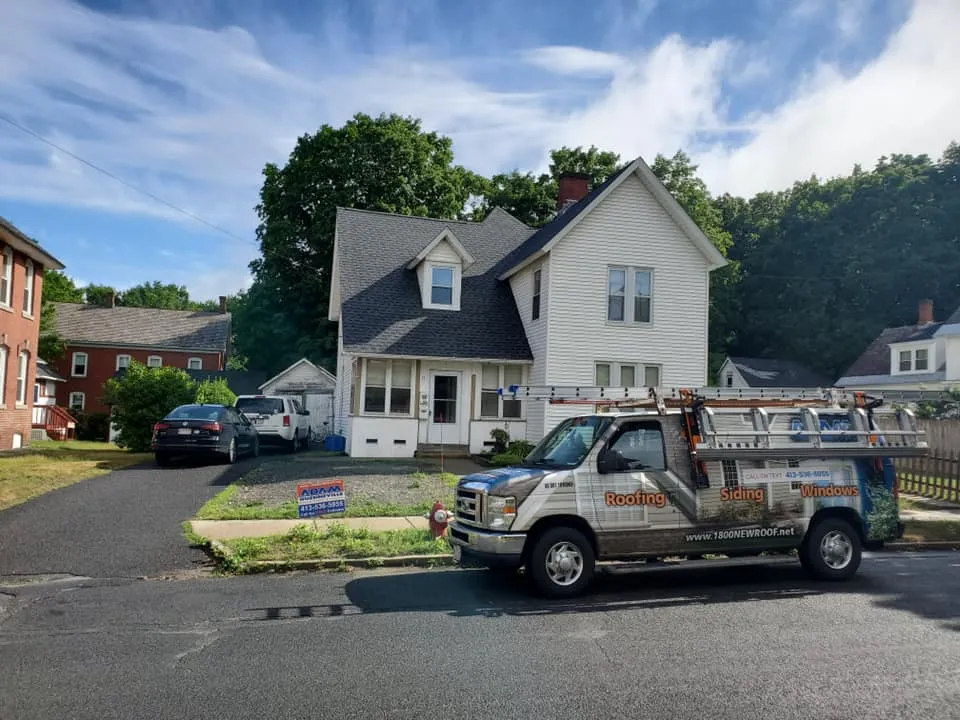
The journey to a fully restored roof is a collaborative one, involving clear communication and trust between the homeowner and their chosen roof repair service. It’s crucial to partner with a team that understands the nuances of hurricane damage and offers tailored post-storm roof inspection checklists. This not only ensures a thorough restoration but also builds a foundation for future preventative care. Companies that specialize in hurricane damage repair, such as Adam Quenneville’s Roof Insurance Claims, bring both skill and strategy to the table, offering much-needed peace of mind when it’s time to pick up the pieces. They stand as your ally, ensuring that your roof is not just repaired, but also prepared for whatever the future holds.
Trust, Assurance, and the Path Forward
In conclusion, repairing a roof after hurricane damage is about more than fixing a structure; it’s about restoring a sense of security and comfort to your family. This endeavor requires trust—not only in the materials and methods you choose but in the professionals you entrust with the task. Establishing this trust comes from working with experts who offer transparent practices, from initial inspections to final repairs. It requires understanding, empathy, and a commitment to excellence that goes beyond the immediate repair. It’s about ensuring not just a return to normalcy but enhancing your home to be more resilient in the face of nature’s unpredictable wrath.
Urgency in the Face of Calamity: Act Now
Massachusetts homes stand in the shadow of potential danger every year as the hurricane season rolls in. The idyllic summer days can abruptly turn into testing times, with howling winds and torrential rains battering the very roofs designed to protect us. It’s in these moments that swift, decisive action becomes paramount. The difference between a quick recovery and long-term hardship often hinges on the immediate steps homeowners take following a storm’s devastation. Understanding the strategies for hurricane damage roof repair is not just beneficial; it’s critical for the safety and security of your abode.
Setting the Stage for Secure Recovery
The stark reality is that post-hurricane damage control begins long before the storm hits. Homeowners armed with knowledge and foresight can mitigate the worst outcomes, even in nature’s unruly temper. It starts with recognizing the telltale signs of roof vulnerability and entails having a plan for when the storm subsides. Your peace of mind relies heavily on the strength of your roof—your primary shield against the tumultuous New England weather. Therefore, preparing your strategy for potential repairs should be as routine as your annual home maintenance.
Dealing With the Aftermath: Immediate Concerns
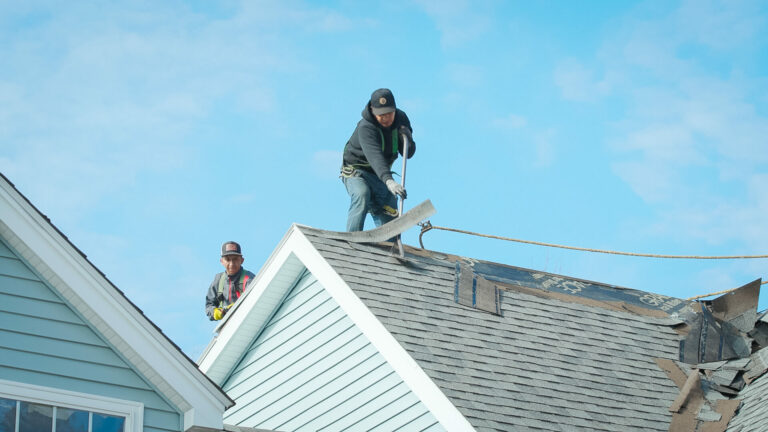
As the winds die down and the skies clear, what remains could be a daunting scene of scattered shingles, and the hidden threat of water damage lurking underneath. The process of hurricane damage assessment needs to be both comprehensive and cautious, done with the guided expertise of those skilled in identifying and addressing roof trauma. Securing a reliable repair service post-haste is not just for the sake of restoration but for preventing further structural harm. Remember, the aftermath of a hurricane is as critical as its arrival, necessitating a response that’s as rapid as it is thoughtful. It’s at this juncture that the questions of when and how to repair become as pressing as the need to seek shelter during the hurricane itself.
Final Thoughts on Preparedness and Protection
The importance of being proactive cannot be overstated when it comes to safeguarding your home against hurricanes. A robust emergency plan, paired with regular roof check-ups, may well be the linchpin in your home’s defense system against these fierce storms. Staying ahead of the curve by keeping abreast of the latest industry advancements and materials is just as important as the cleanup after a hurricane. For instance, investing in impact-resistant shingles can make all the difference when the next hurricane season strikes. Such forward-thinking measures are not just smart—they’re essential for anyone looking to maintain a secure and resilient home in areas like Massachusetts.
Building a Relationship with Your Roof Professional
The journey to a fully restored roof is a collaborative one, involving clear communication and trust between the homeowner and their chosen roof repair service. It’s crucial to partner with a team that understands the nuances of hurricane damage and offers tailored post-storm roof inspection checklists. This not only ensures a thorough restoration but also builds a foundation for future preventative care. Companies that specialize in hurricane damage repair, such as Adam Quenneville’s Roof Insurance Claims, bring both skill and strategy to the table, offering much-needed peace of mind when it’s time to pick up the pieces. They stand as your ally, ensuring that your roof is not just repaired, but also prepared for whatever the future holds.
Trust, Assurance, and the Path Forward
In conclusion, repairing a roof after hurricane damage is about more than fixing a structure; it’s about restoring a sense of security and comfort to your family. This endeavor requires trust—not only in the materials and methods you choose but in the professionals you entrust with the task. Establishing this trust comes from working with experts who offer transparent practices, from initial inspections to final repairs. It requires understanding, empathy, and a commitment to excellence that goes beyond the immediate repair. It’s about ensuring not just a return to normalcy but enhancing your home to be more resilient in the face of nature’s unpredictable wrath.
Insights From The Experts
Tip 1:
Act swiftly after a storm by inspecting your roof for evident signs of damage such as missing shingles or leaks. Prompt repairs can prevent further damage to your home’s structure and interior.
Tip 2:
When choosing materials for your roof repair, consult with a professional to select those specifically rated for high wind resistance and durability. This investment can save money on future repairs.
Tip 3:
Be aware of local building codes, which may have specific requirements for roofing in hurricane-prone zones. Adhering to these codes ensures your roof repair meets safety standards and can withstand the elements.
Tip 4:
Look for hidden damage that may not be immediately obvious, such as water infiltration in your attic or cracks in the roof decking, as these issues can lead to severe problems if left unaddressed.
Tip 5:
Implement preventive measures like regular inspections and maintenance checks before hurricane season hits. This proactive approach can reduce potential damage and give you peace of mind.
Expert Answers to Your Top Questions
How quickly should I seek repairs after my roof suffers hurricane damage?
It’s imperative to initiate repairs as soon as it’s safe to do so after the storm. Delays can lead to additional water damage and compromise your home’s structural integrity.
What are the most durable roofing materials to withstand future hurricanes?
Metal roofing, impact-resistant shingles, and modified bitumen for flat roofs are among the most durable materials known to resist high winds and flying debris.
Are there any specific building codes I need to be aware of for roof repairs in hurricane-prone areas?
Yes, local building codes often include specific requirements for roofing materials and methods that enhance wind resistance and durability in hurricane-prone areas.
How can I tell if my roof has hidden damage after a hurricane?
Look for signs like water stains in the attic, granules in the gutters, or a sagging ceiling that may indicate hidden damage and the need for a professional inspection.
What preventative measures can I take to minimize roof damage before hurricane season?
Regular inspections, trimming trees near your home, securing loose items in your yard, and installing storm straps or clips can significantly reduce roof damage risks.