• Understand the signs of roof leaks, including water stains, mold growth, and damaged shingles to take early action and prevent extensive damage.
• Learn how to perform routine inspections and simple maintenance tasks that can help you spot potential problems before they escalate.
• Discover why professional roof services are crucial in accurately diagnosing and repairing roof leaks, ensuring long-term protection for your home.
As the leaves begin to turn in Vermont, signaling the start of fall, it’s the perfect time to inspect your home for the subtle yet concerning signs of roof leaks. One doesn’t need to be a professional to notice the early warnings that your roof might be compromised. Start by examining the ceilings throughout your home, searching meticulously for any unusual discoloration or stain patterns. These marks often map the journey of water from a breach in your roof to your living spaces, heralding potential damage to your home’s structure.
Moving from ground to attic can further enhance your investigative efforts, especially during a rainfall. The attic can be telling; with a flashlight in hand, cast a light over the rafters and roofing boards as rain taps overhead. Reflections of water or even dripping can lead you straight to the source, offering a clear indication of where the repair will be needed. Don’t overlook this crucial part of the leak detection process, as the attic holds the answer to many roofing problems.
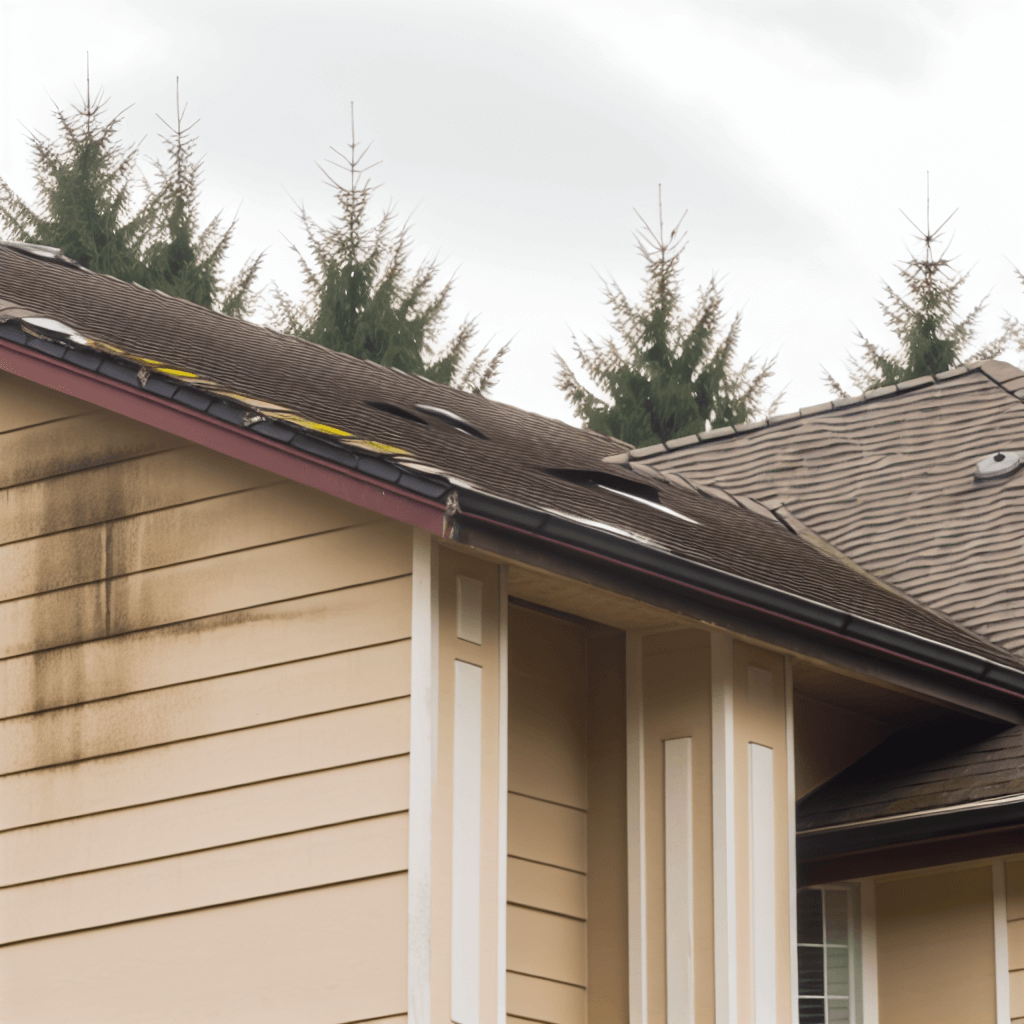
Last but not least, turn your detective gaze towards the roof itself. Start from the inside of your home and make your way onto the roof, if it is safe to do so. Examine the shingles, vents, and flashing—a long, narrow piece of metal that diverts water away from important areas—for any signs of wear or deterioration. Broken, curled, or missing shingles and damaged flashing aren’t just cosmetic issues; they are breaches in your home’s armor against the elements and often the culprits behind those unwelcome water trails inside your home.
Taking the Next Steps: Addressing Roof Leak Issues
Once you’ve identified potential sources of a roof leak, it’s imperative to take immediate action to mitigate any further damage to your home. Begin by clearing out your gutters, as clogs can lead to water backing up under the roof shingles, which exacerbates leaks. It’s a simple yet effective means of prevention that can save you from more significant troubles down the road. Additionally, maintaining clean gutters is essential for preserving the overall health of your roof and ensuring proper water drainage away from your home’s foundation.
Furthermore, if you discover any minor gaps or damage during your examination, it’s important to address these issues promptly. Small repairs can often be done as DIY projects, such as applying roof sealant to minor breaches. However, for larger-scale roof repairs or if you’re uncertain about your roof’s condition, seeking professional guidance is the safest option. Expert roofers have the experience and tools necessary to diagnose and fix leaks efficiently and effectively, ensuring the longevity and safety of your roof.
Ensuring Long-Term Protection
The key to long-term roof health is regular inspection and maintenance. Just as you would care for any other critical part of your home, your roof requires attention and care. By conducting seasonal check-ups, especially after severe weather, you can catch and correct small issues before they become disastrous leaks. A well-maintained roof not only shelters you from the elements but also adds value to your home and peace of mind.
It’s not uncommon for homeowners to overlook the complexity of a roof system, but understanding it can make a significant difference in home maintenance. Remember that your roof is composed of more than just shingles; it’s a complete system designed to protect your home. Paying attention to every component, from the flashing to the gutters, ensures that you are proactively safeguarding your home against the challenges of harsh weather. When in doubt, don’t hesitate to contact a roofing expert who can help you navigate these complexities and keep your home leak-free.
Step 1: Inspect the Ceiling for Water Stains
Begin your investigation for roof leaks by carefully examining your ceilings. Look out for discolored areas or stains, which are tell-tale signs of water infiltration. Dark spots or trails could indicate where water is coming through the roof and settling.
Step 2: Check the Attic During Rainfall
For a more direct approach, head to the attic with a flashlight during a rainstorm. Shining the light against the underside of the roof can reveal water reflections, helping to pinpoint the exact location of a leak.
Step 3: Examine Roof Vents and Flashing
Vent pipes, exhaust flues, and chimneys are common culprits for leaks. Inspect the flashing—metal strips that seal gaps around these features—for signs of damage, rust, or separation that could allow water entry.
Step 4: Look for Shingle Damage
Damaged or missing shingles compromise the integrity of your roof. Assess your roof’s exterior for shingles that are cracked, buckling, or absent. These damages can allow moisture to seep through.
Step 5: Check for Clogged Gutters
Gutters clogged with leaves and debris can back up water and cause it to seep under the roofline. Ensure your gutters are clean and water can flow freely away from the house.
Step 6: Inspect Rooftop Appliances and Equipment
Sometimes, the sealant around rooftop installations like HVAC units can deteriorate. Investigate these areas for any water trails or rust that can result from leakages.
Step 7: Seal Any Gaps Around Roofing Features
If you’ve found small gaps around your roofing features, apply a bead of roofing sealant under the gap. Always ensure you use the right sealant specified for roofing applications.
Step 8: When to Call the Professionals
For leaks that are persistent or difficult to locate, it’s key to call in professional roofing services. They can provide a thorough inspection and recommend the best repair options to prevent further damage.
Avoiding Common DIY Roof Inspection and Repair Mistakes
Tackling a DIY project for roof repair can seem economical and empowering, but without the proper knowledge and precautions, it can quickly lead to further damage. Many enthusiastic homeowners jump into repairs without understanding the complexities of roofing systems, which can lead to costly errors. To ensure the longevity of your roof and the safety of your home, sidestep these prevalent missteps during your DIY roof leak inspection and repair.
Mistake 1: Ignoring Safety Precautions
Many homeowners neglect the necessary safety measures when climbing onto their roofs. To prevent accidents, always use a sturdy ladder, wear non-slip shoes, and consider using a safety harness. Avoid stepping onto the roof during wet or windy conditions.
Mistake 2: Overlooking Minor Leaks
A tiny leak might seem like a minor annoyance, but even small amounts of moisture can lead to mold, rot, and structural damage over time. Don’t ignore small leaks; address them promptly to prevent them from becoming major issues.
Mistake 3: Improper Use of Sealants
In an attempt to fix leaks, some DIYers apply roofing sealant indiscriminately. However, overusing sealant or applying it incorrectly can trap moisture and worsen roof damage. Only apply sealant to clean, dry areas and follow the manufacturer’s instructions carefully.
Mistake 4: Misidentifying the Source of the Leak
Water can travel far from where it initially penetrates the roof, making it easy to misidentify the leak source. Always inspect the entire roof to ensure you’re repairing the correct area, especially around flashing and vents, which are common entry points for water.
Mistake 5: Neglecting Roof Maintenance
Some homeowners wait to address roof issues until there’s a visible problem. Regular roof maintenance, such as cleaning gutters and inspecting shingles, can prevent leaks from occurring in the first place. Consistent upkeep is key to extending the life of your roofing system.
Mistake 6: Using Mismatched Shingles
Repairing a roof with shingles that don’t match in size, color, or material can affect the roof’s integrity and aesthetics. Always use shingles that are consistent with your existing roof to ensure effective repair and maintain your home’s appearance.
Mistake 7: Not Seeking Professional Help When Necessary
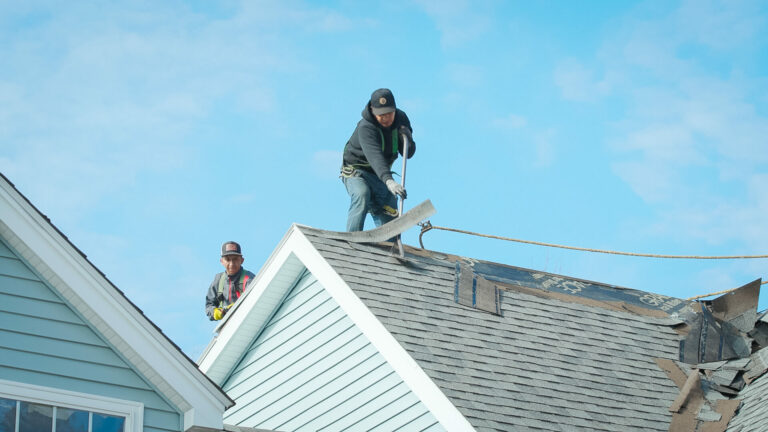
Some roofing issues are beyond the skillset of the average homeowner. If you find yourself in over your head or if the problem persists after a DIY fix, it’s time to call in professional roofing services. Their expertise can save you time and money in the long run, and they can prevent future leaks with proper repairs.
Recognizing the Severity of Roof Damage
Realizing the extent of roof damage is crucial for taking the right course of action. A small leak might require a quick fix, yet continued neglect can lead to more extensive damage and ultimately a full roof replacement, which is a considerable investment. It’s wise to assess the situation thoroughly and understand the potential impact on your home’s structural integrity and internal safety.
If you encounter multiple leaks, missing shingles, or persistent dampness, these are indications that your roof’s condition might be jeopardizing your home. In such cases, it’s best to consult with roofing professionals who can provide a comprehensive evaluation and outline the next steps. Proactive measures not only secure your current living conditions but also prevent future incidents that could incur greater costs and risks.
Maintaining Roof Health Between Inspections
To maintain a roof in good condition, it’s essential to conduct consistent maintenance beyond just inspections. Simple tasks like trimming overhanging branches can prevent physical damage and the accumulation of organic debris. By staying vigilant and handling minor repairs swiftly, you preserve the effectiveness of your roof as your home’s primary shield against the elements.
Although maintenance efforts are key, some scenarios warrant professional expertise, especially when dealing with complex roofing systems or significant damage. Consider setting up a routine maintenance plan with a trusted local roofing service to ensure your roof’s longevity. This not only keeps your roof in its best shape but also offers peace of mind knowing that your home is well-protected against future leaks and damage.