• Attic Ventilation Importance: Explains how proper attic ventilation protects roof structure and prevents moisture-related issues.
• Step-by-Step Guidance: Provides detailed instructions for evaluating and improving your home’s attic ventilation to extend roof life.
• Expert Assistance Advocation: Highlights the benefits of professional help for optimal attic ventilation and overall roof health maintenance.
Recognizing Warning Signs of Inadequate Attic Ventilation
Ensuring that your attic is well-ventilated is critical for the health of your roof, but how can you tell if it isn’t? Poor attic ventilation can lead to a range of problems, from decreased energy efficiency to structural damage. The purpose of a good ventilation system is to create a balance between air intake and exhaust, regulating temperature and reducing moisture. A well-ventilated attic contributes significantly to the longevity of your entire roofing system by preventing various forms of damage.
To determine the state of your attic’s ventilation, start by conducting a simple inspection. Look for signs of rust on nails or hardware, which can indicate excessive moisture. If you detect a musty smell or see dampness in your insulation, these are telltale hints that your ventilation needs attention. These issues, if left unchecked, not only affect your roof’s health but can also impact the air quality in your home.
Familiarize yourself with common signals of a poorly ventilated attic, which may present themselves according to the season. During winter, watch for ice dams forming at the edge of your roof, a sign that the attic’s temperature is higher than it should be. Conversely, an attic that feels like a sauna in the summer is likely trapping heat due to inadequate ventilation. The premature wear of roofing materials is another indicator; if the shingles are curling or the roof deck sags, it’s time to enhance attic airflow.
Enhancing Attic Ventilation: Benefits for Your Roof and Home
The positive impacts of enhancing your attic ventilation are both immediate and lasting. Immediately, you can expect a more comfortable temperature balance in your home that can lead to lower energy bills. Over time, the reduction in extreme temperature fluctuations can extend the life of your roofing materials, as thermal stress is greatly minimized. Attic ventilation directly affects energy efficiency and the structural integrity of your home, making it a crucial aspect of home maintenance.
One of the top benefits of proper ventilation is the prevention of moisture-related issues, such as mold growth and wood rot, both of which can severely compromise your home’s structure. By allowing the attic space to breathe effectively, you not only enhance roof longevity but you also contribute to a healthier living environment for you and your family. It’s a step that, while sometimes overlooked, can save significant costs on repairs and energy bills down the line. To ensure the best results for your roof, consult a professional roofing specialist who can provide personalized advice and solutions.
Step 1: Understand the Impact of Attic Ventilation on Roof Health
Begin with an overview of why attic ventilation is paramount for roof health. Explain how ventilation works to balance temperature and moisture levels in the attic space, which directly contributes to the longevity and integrity of the roof.
Step 2: Inspect Your Current Attic Ventilation System
Provide instructions on how homeowners can assess their current attic ventilation, including looking for indicators of poor ventilation like rusted nails, damp insulation, or a musty attic smell.
Step 3: Identify Signs of Inadequate Ventilation
Detail the common signs that suggest a home’s attic ventilation might be insufficient, such as ice dams in winter, overly hot attics in summer, and premature aging of roofing materials.
Step 4: Explore Attic Ventilation Benefits
Delve into the benefits of proper attic ventilation, such as reduced energy costs, preventing moisture damage, and extending the life of the roof shingles.
Step 5: Learn About Different Ventilation Options
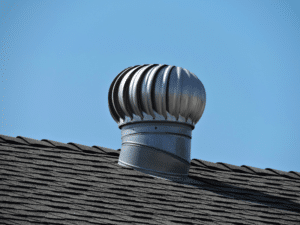
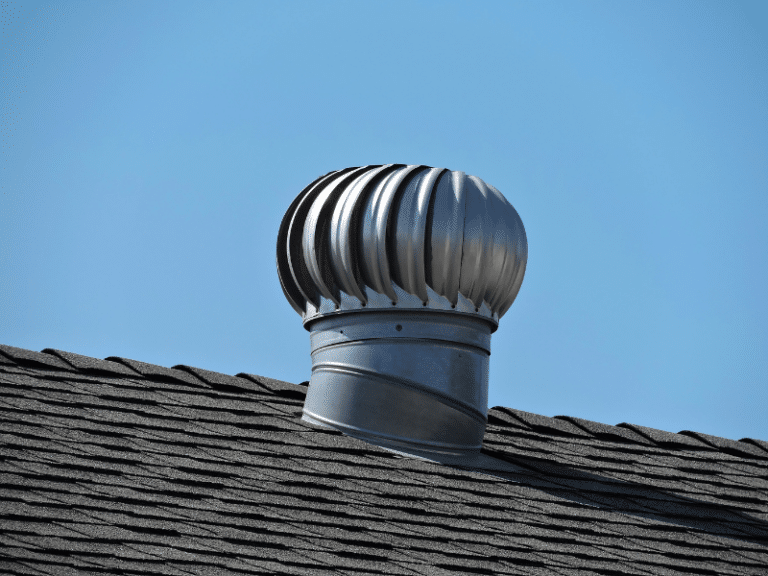
Discuss various attic ventilation systems like soffit vents, ridge vents, and gable vents, and how each contributes to a balanced attic ventilation setup.
Step 6: Follow Roofing Ventilation Tips for Better Performance
Offer practical advice for optimizing attic ventilation, including clear maintenance tips, the importance of unblocked air paths, and how to ensure even air distribution.
Step 7: Understand Proper Roof Ventilation Installation
Guide the reader through the basics of installing a proper roof ventilation system or improving an existing one, stressing the importance of professional assessment for optimal results.
Step 8: Plan Regular Maintenance to Preserve Roof Longevity
Conclude with steps for the homeowner to maintain their attic ventilation system properly, such as periodic inspections and clearing any obstructions to keep the system functioning effectively.
Common DIY Attic Ventilation Mistakes to Avoid
While taking a DIY approach to attic ventilation can seem cost-effective, it’s often riddled with pitfalls that can compromise your roof’s health. Many homeowners endeavor to improve their attic ventilation without fully understanding the complexities involved. Recognizing and avoiding these common mistakes is crucial for ensuring the efficacy of your efforts and the longevity of your roofing system.
Mistake 1: Underestimating the Importance of Balanced Ventilation
– Homeowners frequently overlook the need for a balanced ventilation system, focusing solely on exhaust vents and neglecting adequate intake. This imbalance can lead to poor air circulation, causing moisture buildup and temperature irregularities.
Mistake 2: Ignoring Indicators of Poor Ventilation
– It’s not uncommon for DIYers to miss subtle signs of inadequate ventilation, such as rusted fasteners or a faint musty smell. Regular inspections are essential to catch these early warnings and prevent extensive damage.
Mistake 3: Overlooking the Benefits of Professional Advice
– Many attempt to go it alone without consulting with professionals, potentially missing out on personalized and valuable advice. A professional assessment can save time and money in the long run by pinpointing specific needs for your home’s unique structure.
Mistake 4: Choosing Inappropriate Ventilation Options
– Selecting the wrong type of vents or misjudging the number required can render a ventilation system ineffective. Understanding different ventilation options and their roles in a cohesive system is key to optimizing attic and roof health.
Mistake 5: Not Following Best Practices for Ventilation Performance
– Simple maintenance tips like ensuring that insulation doesn’t block airflow paths can be missed, hindering the performance of even the best-designed systems. Regular checks and clearances are simple yet effective practices that ensure optimal function.
Mistake 6: Inadequate Installation of Ventilation Systems
– Incorrect installation of attic vents can lead to leaks and reduced functionality. Taking the time to understand proper installation techniques or opting for professional fitting can prevent these common DIY errors.
Mistake 7: Neglecting Regular Maintenance
– Finally, one of the most frequent mistakes is failing to maintain the ventilation system once it’s in place. Periodic inspections and maintenance are crucial for sustained attic and roof health, preventing debris accumulation and ensuring all components function correctly.
Choosing the Right Ventilation for Your Attic
Selecting the correct ventilation system for your attic depends on several factors, including the design of your house and local climate conditions. Multiple types of vents can work in tandem to maintain a continuous flow of air, from intake vents at the soffits to exhaust vents at the ridge. Research or consult with residential roofing experts to understand the best configuration for your specific needs.
Maintaining Your Roof’s Ventilation System
Once your attic’s ventilation system is correctly installed, ongoing maintenance is key to ensure its efficiency. This includes regular cleaning to prevent blockages and inspections to check for damage or wear. Proactive care can prevent costly repairs and extend the overall life of your roof and ventilation system.