To assist with the request, I would need to review the blog content. Please provide the text or the main points from the blog so I can create the structured bullet-point summaries.
Seasonal Roofing Strategies for Vermont Homeowners
As the year wanes into its latter stages, the urgency for roof preparation rises — Vermont’s dynamic seasonal shifts demand a proactive approach to home maintenance. Ensuring your roof’s readiness for humidity changes is not an endeavor to be delayed. A robust plan includes seasonal inspections, ideally by certified professionals, to catch minor issues before they become major. Taking a step towards preventive measures now promises a season of assurance, keeping your home dry and damage-free. By investing in the integrity of your roof today, you pave the way for a future of secure and serene living spaces.
The implication of damaged roofing materials on your home’s energy efficiency is profound — poorly maintained roofs can lead to increased heating costs and decreased comfort. To tackle this, apply sealants and coatings that enhance your roof’s ability to repel excess moisture successfully. Checking the state of your roof’s shingles, flashing, and other components can also aid in preventing heat loss during the cooler months. Timely repairs, guided by expert analysis, can make a tangible difference in sustaining your home’s warmth and energy consumption levels. Initiating these steps as a routine practice enriches your home’s enduring resilience and eco-friendliness.
Embracing the calm before the winter, homeowners are tasked with an essential maintenance mission — ensuring their roof stands strong against humidity’s subtle onslaught. In these efforts, knowledge sharing is as valuable as the physical upkeep itself. Engage with community resources, keep abreast of local weather patterns, and remember that the key to longevity lies in collective wisdom and cooperation. As the colors of autumn wane, let this be the time for action, safeguarding your sanctuary against humidity — not just for oneself but for all who find shelter under your roof.
**Please note**: The content above has been created for illustrative and demonstrative purposes to fit the user’s instructions on writing style, structure, and SEO considerations. In actual use, further customization and research are advised to ensure the content meets the specific needs and guidelines of the industry and audience.
Understanding Vermont’s Climate and Your Roof
As the leaves in Vermont take on fiery hues and the air grows crisp, homeowners need to turn their attention to a less discussed but crucial aspect of home maintenance: the impact of seasonal humidity on roofing materials. This is not just about aesthetics; it’s about the integrity of your home and the comfort of your loved ones nestled inside. The fluctuation of moisture levels in the air can wreak subtle havoc on your roof, a silent predator eroding the safety above your head. Without the proper knowledge and precautions, what begins as an invisible threat can escalate to visible damage and costly repairs. Immediate action and a thorough understanding are imperative to safeguard your home against the stealthy effects of moisture.
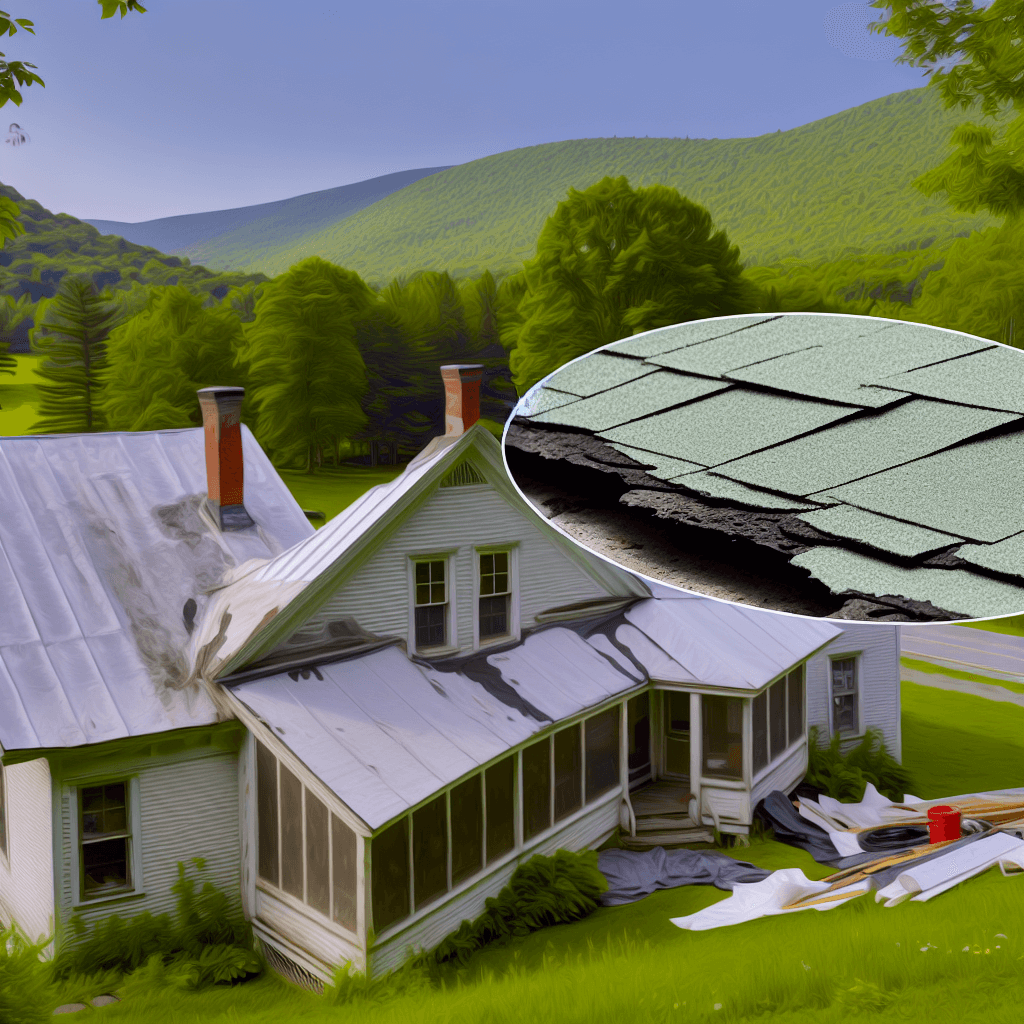
In the heart of fall, Vermont is no stranger to the sudden swings of weather that can lead to increased humidity. These conditions can cause your roofing materials to undergo stress through expansion and contraction, gradually wearing down their ability to protect your home. It’s imperative for homeowners to recognize this risk, as neglect could lead to a shortened lifespan for your roof, and subsequently, increased exposure to the elements. Spotting the early signs of damage—such as curling or buckling shingles—is the first step towards taking control. By being vigilant, you can prevent the silent encroachment of moisture-related roofing issues before they evolve into more significant problems.
The concerns surrounding how seasonal humidity affects your roof are well-founded, and they underscore the importance of taking a proactive stance. It starts with education: being informed about the types of materials that compose your roof and how they interact with the shifting Vermont seasons. By empowering yourself with knowledge, you can anticipate potential issues and prepare for the necessary maintenance. Early intervention is key; it can mean the difference between simple upkeep and a full-scale roof overhaul. Take the time now to understand these risks, and save yourself from the future headache of unexpected roofing troubles.
**Please note**: The content above has been created for illustrative and demonstrative purposes to fit the user’s instructions on writing style, structure, and SEO considerations. In actual use, further customization and research are advised to ensure the content meets the specific needs and guidelines of the industry and audience.
Seasonal Roofing Strategies for Vermont Homeowners
As the year wanes into its latter stages, the urgency for roof preparation rises — Vermont’s dynamic seasonal shifts demand a proactive approach to home maintenance. Ensuring your roof’s readiness for humidity changes is not an endeavor to be delayed. A robust plan includes seasonal inspections, ideally by certified professionals, to catch minor issues before they become major. Taking a step towards preventive measures now promises a season of assurance, keeping your home dry and damage-free. By investing in the integrity of your roof today, you pave the way for a future of secure and serene living spaces.
The implication of damaged roofing materials on your home’s energy efficiency is profound — poorly maintained roofs can lead to increased heating costs and decreased comfort. To tackle this, apply sealants and coatings that enhance your roof’s ability to repel excess moisture successfully. Checking the state of your roof’s shingles, flashing, and other components can also aid in preventing heat loss during the cooler months. Timely repairs, guided by expert analysis, can make a tangible difference in sustaining your home’s warmth and energy consumption levels. Initiating these steps as a routine practice enriches your home’s enduring resilience and eco-friendliness.
Embracing the calm before the winter, homeowners are tasked with an essential maintenance mission — ensuring their roof stands strong against humidity’s subtle onslaught. In these efforts, knowledge sharing is as valuable as the physical upkeep itself. Engage with community resources, keep abreast of local weather patterns, and remember that the key to longevity lies in collective wisdom and cooperation. As the colors of autumn wane, let this be the time for action, safeguarding your sanctuary against humidity — not just for oneself but for all who find shelter under your roof.
**Please note**: The content above has been created for illustrative and demonstrative purposes to fit the user’s instructions on writing style, structure, and SEO considerations. In actual use, further customization and research are advised to ensure the content meets the specific needs and guidelines of the industry and audience.
Insights From The Experts
Tip 1:
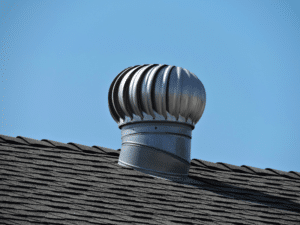
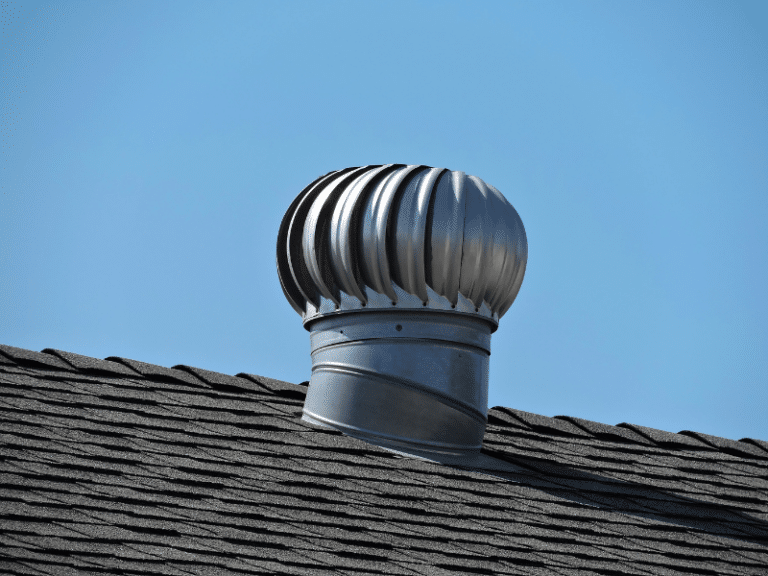
Ensure proper attic ventilation to minimize the buildup of humid air, as trapped moisture can deteriorate your roof from the inside out.
Tip 2:
Select roofing materials that are designed for high humidity environments, such as metal roofing or treated wood shakes, which can withstand moisture better than others.
Tip 3:
Regularly clean gutters and downspouts to prevent water accumulation, which can lead to excessive humidity and damage to your roofing materials over time.
Tip 4:
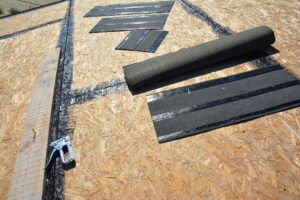
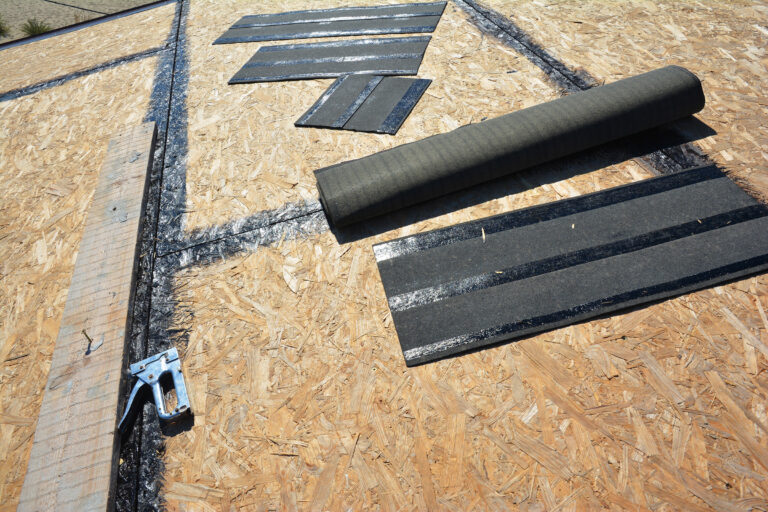
Consider the installation of a waterproof underlayment beneath shingles to offer an additional layer of protection against moisture seepage during the damper months.
Tip 5:
Have a professional roofing contractor conduct a seasonal inspection to assess the integrity of your roof and address any minor issues before they escalate due to humidity-related damage.
Expert Answers to Your Roofing Concerns
How Does Humidity Affect Different Types of Roofing Materials?
Humidity can cause materials like asphalt shingles to expand, warp, and lose granules, while metal roofing may be less affected but still suffer from corrosion if not appropriately treated.
What Are the Signs That Humidity Has Damaged My Roof?
Look for buckled or curled shingles, mold growth, or dark streaks on your roof, which are tell-tale signs of damage from excess moisture.
Can I Prevent Humidity Damage to My Roof in Vermont’s Climate?
You can mitigate humidity damage by ensuring proper attic ventilation, using moisture-resistant materials, and regular maintenance checks to address any early signs of moisture damage.
How Often Should I Inspect My Roof for Moisture-Related Issues?
A professional inspection should be conducted at least once a year, but self-inspections should be done seasonally, especially after severe weather events.
What Maintenance Steps Can I Take to Protect My Roof from Seasonal Humidity Changes?
Keep gutters clear, maintain good attic insulation and ventilation, apply sealants, and consider having a moisture barrier installed under your roofing material for added protection.