Final Considerations for Your Roofing Needs
As we wrap up the discussion on rubber roofing, it is essential to reinforce the enduring benefits it offers to homeowners in Massachusetts. This roofing type stands as a bulwark against the unpredictable New England weather, ensuring that your home remains secure and comfortable through the seasons. The resilience of rubber roofing material is also a testament to its superb return on investment, as it can outlast many other roofing options currently available on the market. With the right installation and maintenance, the advantages of rubber roofing—ranging from its weather resistance to its environmental friendliness—are realised in full. In essence, choosing this route is not just a matter of protecting your home today, but an investment in its future safety and value.
As consumers, we should remember the importance of informed decision-making, especially when it comes to significant investments like roofing. This mentality is a critical part of selecting a roofing material that balances cost, appearance, functionality, and long-term sustainability. Rubber roofing checks all these boxes, offering a solution that looks good, performs excellently, and offers peace of mind. The support of an experienced roofing contractor can not only guide you through the selection process but also provide the assurance of a well-installed, durable roofing system. By doing your homework and working alongside professionals, your rubber roofing will serve as a wise choice for years to come.
In conclusion, rubber roofing is more than just an alternative roofing material; it’s a smart, strategic choice for homeowners who are serious about quality and cost-efficiency. Its longevity is unparalleled, maintenance is minimal, and the environmental impact is significantly reduced compared to other roofing types. Consider all these factors when deciding on your next roofing project. Remember, your home is an investment deserving of the best protection available, and rubber roofing rises confidently to the challenge. Acknowledge these insights, and you will find that rubber roofing is the key to locking in safety, savings, and satisfaction for your Massachusetts home.
Understanding the Need for Durable Roofing in Massachusetts
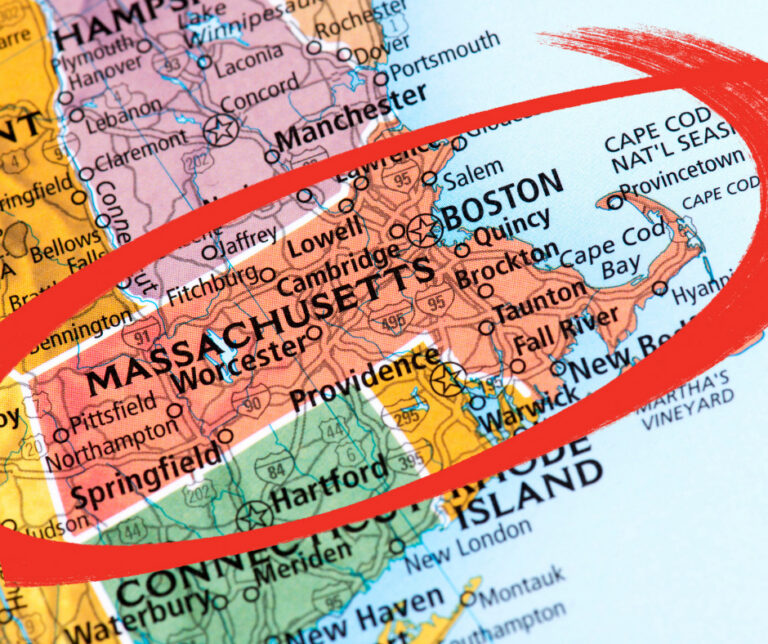
As Massachusetts residents know all too well, the weather can be unforgiving, swinging from sweltering summers to bone-chilling winters. This constantly changing climate puts immense stress on the roofs that shelter our homes. It’s not merely a matter of comfort but of safety and security, making the choice of roofing material one of the most crucial decisions for a homeowner. The urgency to choose a roof that stands the test of time and nature is undeniable, particularly as we approach another intense season. Homeowners must act now to ensure their homes remain snug and damage-free year-round.
The solution to this pressing need lies in a material that has proven its mettle against the harshest of elements—rubber roofing. Known for its exemplary durability, rubber roofing emerges as a beacon of reliability for homeowners. Installing a rubber roof isn’t just a quick fix; it’s an investment into the longevity of your home. Immediate benefits include increased resistance to leaks, wear, and weather-related damage. The peace of mind that comes from knowing your home is well-protected is invaluable, especially as the summer season brings its own set of challenges.
Concerns about roof investments are common, but the long-term value of a rubber roof cannot be overstated. Sophisticated yet simple, the technology behind rubber roofing is designed to provide maximum protection with minimum upkeep. Studies hint at rubber roofs lasting upwards of three decades when installed and maintained properly—a longevity that speaks volumes of its value. Furthermore, considering the substantial financial implications of frequent roofing repairs, the cost-effectiveness of rubber roofing becomes even more appealing. It’s a practical solution for those who want to balance upfront costs with long-term savings.
A Resilient Option for Varied Weather Conditions
Embracing rubber roofing means investing in a material tailored to withstand the fluctuating weather of Massachusetts. This roofing material is not only robust but also adaptable, capable of expanding and contracting with temperature changes without compromising its integrity. Each roof, armed with this elasticity, stands as a testament to the suitability of rubber roofing for our local climate. It’s a choice that underscores the importance of matching home improvement solutions to environmental demands, ensuring that the roof above your head is as adaptable as you are to the ever-evolving weather patterns.
When considering rubber roofing, it’s not only about making through the current season; it’s about forward-thinking and preparing your home for the years to come. That’s why it’s vital to address a frequently asked question regarding the upkeep of this roofing type. Recognize that while rubber roofing is low-maintenance, regular checks are key to longevity. Simple inspections can highlight minor issues before they escalate, ensuring your roof remains in peak condition. By doing so, homeowners not only safeguard their investment but also negate the need for extensive repairs in the future.
And then there’s the green factor—an increasingly important consideration in our times. Rubber roofing aligns with both personal and planetary well-being as its recyclable nature closes the loop on waste. By choosing this eco-friendly option, homeowners contribute to a healthier environment. The sustainability of rubber roofing extends beyond its functional lifespan, as it can be repurposed at the end of its duty as a reliable shield for homes. It’s a forward-thinking choice for the eco-conscious, merging home protection with environmental stewardship.
Final Considerations for Your Roofing Needs
As we wrap up the discussion on rubber roofing, it is essential to reinforce the enduring benefits it offers to homeowners in Massachusetts. This roofing type stands as a bulwark against the unpredictable New England weather, ensuring that your home remains secure and comfortable through the seasons. The resilience of rubber roofing material is also a testament to its superb return on investment, as it can outlast many other roofing options currently available on the market. With the right installation and maintenance, the advantages of rubber roofing—ranging from its weather resistance to its environmental friendliness—are realised in full. In essence, choosing this route is not just a matter of protecting your home today, but an investment in its future safety and value.
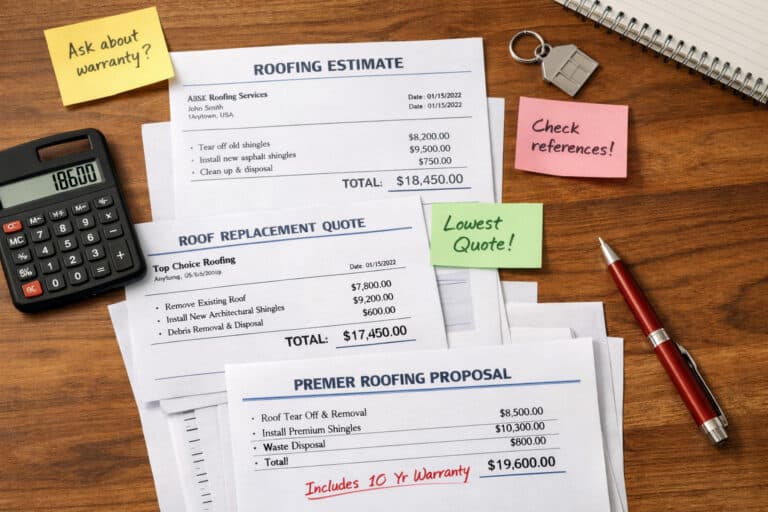
As consumers, we should remember the importance of informed decision-making, especially when it comes to significant investments like roofing. This mentality is a critical part of selecting a roofing material that balances cost, appearance, functionality, and long-term sustainability. Rubber roofing checks all these boxes, offering a solution that looks good, performs excellently, and offers peace of mind. The support of an experienced roofing contractor can not only guide you through the selection process but also provide the assurance of a well-installed, durable roofing system. By doing your homework and working alongside professionals, your rubber roofing will serve as a wise choice for years to come.
In conclusion, rubber roofing is more than just an alternative roofing material; it’s a smart, strategic choice for homeowners who are serious about quality and cost-efficiency. Its longevity is unparalleled, maintenance is minimal, and the environmental impact is significantly reduced compared to other roofing types. Consider all these factors when deciding on your next roofing project. Remember, your home is an investment deserving of the best protection available, and rubber roofing rises confidently to the challenge. Acknowledge these insights, and you will find that rubber roofing is the key to locking in safety, savings, and satisfaction for your Massachusetts home.
Insights From The Experts
Tip 1:
Choose a rubber roofing material that is suitable for the extremes of Massachusetts’s weather, ensuring it can withstand heavy snowfall in winter and hot summers. Accredited materials offer better long-term value due to their resilience.
Tip 2:
Regular inspections and preventative maintenance can significantly extend the life of your rubber roof. Be sure to have a professional check your roof at least twice a year to catch any potential issues early on.
Tip 3:
When considering rubber roofing, factor in the energy efficiency benefits. Rubber roofs can provide excellent insulation, helping to reduce heating and cooling costs throughout the year.
Tip 4:
Research and hire a reputable contractor with experience in rubber roofing installation. Proper installation is crucial for the integrity and longevity of your roof, so choose a contractor who offers a solid warranty and has good reviews.
Tip 5:
Understand the environmental impact of your roofing material choice. Rubber roofing is not just durable; it’s also an eco-friendly option, with many products made from recycled materials and being fully recyclable at the end of their life cycle.
Your Top Rubber Roofing Queries Answered
How does rubber roofing cope with Massachusetts’s varied weather conditions?
Rubber roofing is designed to withstand Massachusetts’s dynamic climate, expanding and contracting with temperature changes without losing integrity, thus offering superior protection year-round.
What is the expected lifespan of a rubber roof and how does it compare to traditional roofing materials?
Rubber roofs are known for their longevity, often lasting 30 years or more, which outperforms many traditional materials by providing enduring protection with minimal maintenance.
Can rubber roofing be repaired if damaged, and what are the typical maintenance requirements?
Yes, rubber roofing can be easily repaired if punctured or damaged; typical upkeep includes biannual inspections and the occasional cleaning to ensure its longevity.
How cost-effective is rubber roofing compared to other materials in the market?
Rubber roofing is highly cost-effective due to its durability, low maintenance needs, and energy efficiency, offering significant savings over its long lifespan.
Are there any specific environmental benefits to choosing rubber roofing for my home?
Rubber roofing is eco-friendly, often made from recycled materials, and is fully recyclable at the end of its life cycle, reducing your home’s environmental footprint.