
• Understanding of Roof Ventilation: Learn the basics of how proper roof ventilation works and its importance in your home’s energy efficiency.
• Impact on Energy Bills: Discover the direct connection between ventilated roofing solutions and the potential for lowered energy costs.
• DIY Tips for Improvement: Gain practical advice and steps to optimize your roof’s ventilation system, aiming for long-term savings and improved home comfort.
Identifying Ventilation Issues: The First Step to Efficiency
Imagine enduring a scorching summer in Massachusetts only to find that your sanctuary, your home, is just as sweltering inside as the world outside. This might signal a pressing issue in your attic – inadequate roof ventilation. When your cooling system fights a losing battle against the heat accumulating under the roof, not only is your comfort compromised, but your energy bills may also climb exponentially. Thus, recognizing the symptoms of poor ventilation is crucial for maintaining both home comfort and energy efficiency.
As the leaves begin to turn and the crisp air of fall sets in, another telltale sign of subpar ventilation becomes apparent: ice dams. These ridges of ice that form at the edge of a roof prevent melting snow from draining off, indicating excessive warmth in the attic, melting the under-layer of snow. Moisture problems, such as mold or mildew in the attic, also serve as red flags pointing to a dire need for a ventilation checkup. If these issues sound familiar, it’s time to evaluate your roof ventilation to prevent unwanted damage and soaring heating costs as winter approaches.
Commencing this evaluation may feel daunting, but it begins simply with a look – an inspection for visible signs of wear and damage on your vents. Rust, blockage, or deterioration not only hinder airflow but also threaten the longevity of your roofing system. And while a visual assessment can reveal much, knowing the specific ventilation requirements for your home is a step that cannot be overlooked. By understanding the basics and identifying these problematic signs, Massachusetts homeowners can take informed steps towards creating a more energy-efficient living space.
A Deep Dive Into Roof Ventilation Essentials
Your home in Massachusetts is your haven, and ensuring it remains energy-efficient is a priority. A well-ventilated roof allows your house to “breathe” correctly; it enables the escape of hot air during warm months, preventing the straining of your air conditioning system. In winter, proper airflow keeps attic temperatures stable, warding off ice dams and reducing reliance on heating. Through understanding the basics of roof ventilation, you are one step closer to achieving year-round comfort and energy savings.
If you’ve noticed telltale ventilation issues, it’s time for a hands-on approach with Step 2: Inspect Your Current Roof Ventilation System. Grab a flashlight, and let’s get practical with an indoor inspection; search for signs of blockage, inadequate vent openings, or wear that could compromise your system’s efficiency. Remember, the goal is to foster a continuous flow of outside air through the attic; this not only helps in managing temperatures but also in preventing moisture-related problems. For the most comprehensive roofing solutions, consider expert services to ensure your ventilation system is optimal.
Step 1: Understand the Basics of Roof Ventilation
Learn about the role of roof ventilation in regulating attic temperature and moisture levels, ensuring that your home remains energy efficient by preventing heat buildup during the summer and moisture accumulation in the winter.
Step 2: Inspect Your Current Roof Ventilation System
Do an at-home examination of your roof vents and attic space to assess the adequacy of your current roof ventilation, looking for visible signs such as rust, blockages, or damaged vents.
Step 3: Calculate Your Ventilation Needs
Determine the amount of ventilation your roof needs based on its size and the general climate in Massachusetts, using the formula that 1 square foot of vent space is required for every 150 square feet of attic floor space.
Step 4: Choose the Right Type of Vents
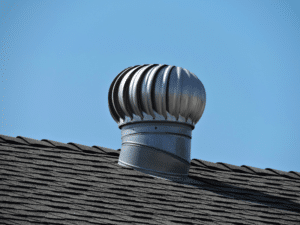
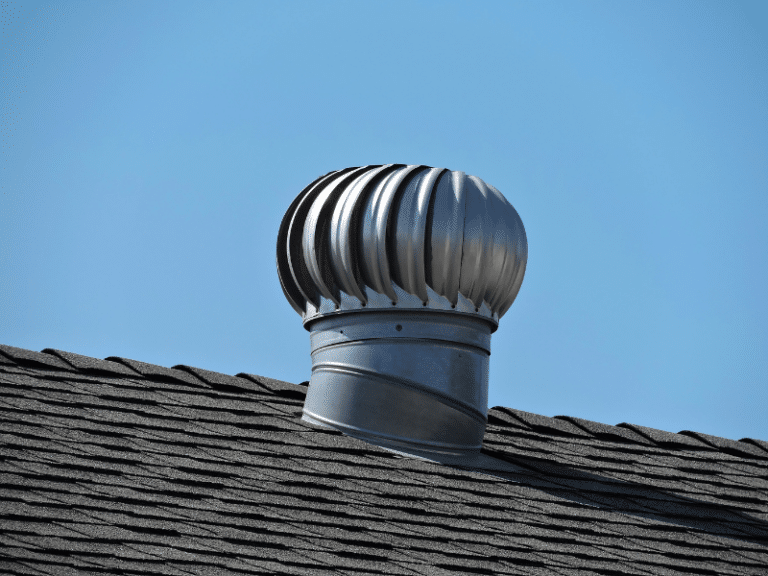
Select between various types of vents such as soffit vents for intake and ridge or gable vents for exhaust; each plays a crucial role in a balanced roof ventilation system designed to control energy costs.
Step 5: Seal and Insulate the Attic
Enhance your roof ventilation efficiency by sealing any air leaks and properly insulating the attic floor to prevent heat transfer into your living spaces, which can help lower energy bills year-round.
Step 6: Install or Upgrade Vents
Based on the calculations done in Step 3, either install new vents or upgrade existing ones to better manage attic temperatures and maintain an energy-efficient home.
Step 7: Monitor Humidity and Temperature
After improving your ventilation, regularly check your attic for optimal humidity and temperature levels; this monitoring ensures that your efforts are translating into lower energy bills.
Step 8: Regular Maintenance
Set up a schedule for routine inspections and maintenance of your roof and attic to ensure vents remain clear and functional, helping your roof ventilation system do its job efficiently and keep energy bills down.
Side-Stepping Common Ventilation Missteps
Diving into the world of DIY roof ventilation can be fraught with potential pitfalls that may inadvertently hike up your energy bills rather than lower them. Knowing what to avoid is just as critical as understanding the proper steps to take. This section highlights the usual slip-ups that homeowners make, providing you with the forewarning needed to steer clear of these all-too-common errors.
-
Mistake 1: Blocking Ventilation Intakes and Outlets
Homeowners often inadvertently block soffit vents by stacking storage items or installing insulation improperly in the attic. This obstruction prevents the essential flow of air, leading to overheating in the summer and moist, damp conditions in the winter. -
Mistake 2: Miscalculating Ventilation Needs
A frequent error is underestimating the amount of ventilation needed, based on the size and design of the roof. Failing to adhere to the 1:150 ratio could result in inadequate ventilation, so always double-check your measurements and calculations. -
Mistake 3: Using the Wrong Type of Vents
With various types of vents available, selecting the wrong type for your specific roof design can lead to poor ventilation and increased energy costs. Ensure that you are using the proper intake and exhaust vents to maintain a balanced roof ventilation system. -
Mistake 4: Neglecting Regular Maintenance
Once your ventilation system is in place, ignoring routine maintenance is a common and costly mistake. Regular checks for blockages, damage, and wear are essential to keep the system efficient and your home’s energy bills in check.
Calculating and Upgrading for Optimized Ventilation
With a clearer understanding of your attic’s current state, it’s now time to calculate your ventilation needs with precision. Applying the standard ventilation guideline—one square foot of vent space for every 150 square feet of attic area—helps determine the exact requirement for your Massachusetts home. This calculation is the groundwork for an energy-efficient roofing system that contributes to reduced energy expenses.
Once you know what’s needed, the next step is selecting the right type of vents for your home. Soffit vents for intake and ridge or gable vents for exhaust are vital for creating an optimal airflow that can greatly influence your home’s temperature regulation. An investment in high-quality roofing materials and proper vent installation is an investment in your home’s energy efficiency and a stride towards lowering those energy bills.