
Trusting the Process
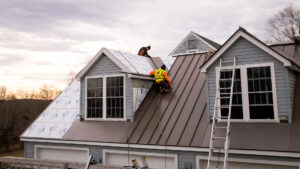
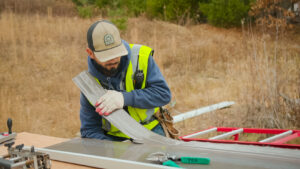
It is critical to place your trust in tried-and-true solutions when mitigating roof storm damage. Seeking expertise from certified professionals can mean the difference between a Band-Aid solution and a comprehensive restoration. A reliable roofing partner will guide you through the repair process, prioritizing areas for immediate attention and planning long-term solutions to enhance resilience. With skilled assessment, homeowners can be assured that every corner of their roof is scrutinized and fortified against the harshest elements. This expert approach not only restores your roof but also instills a confidence that your home is well-prepared for future weather challenges.
Insurance and Peace of Mind
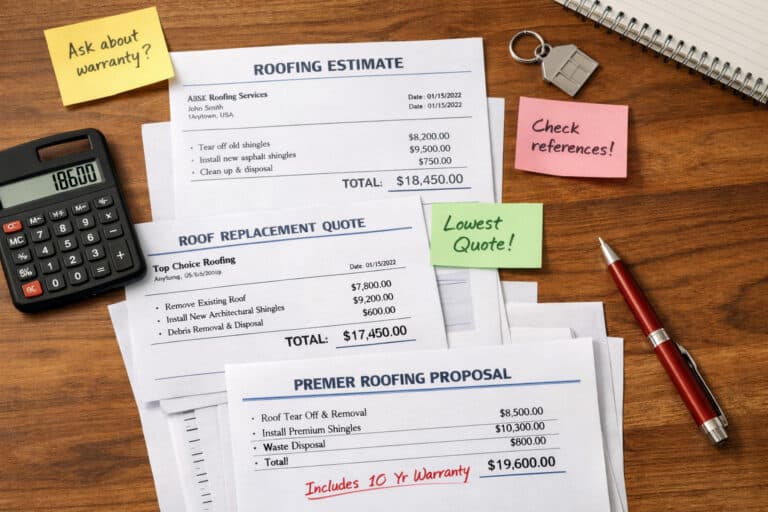
Navigating the aftermath of storm damage often involves dealing with insurance claims—a process that can be daunting for many. Understanding your coverage and having detailed documentation can streamline this process. Homeowners should be proactive in this respect, maintaining all necessary paperwork and photographs of the damage for smoother transactions with their insurance providers. For assistance with the intricacies of filing a claim, resources such as Adam Quenneville’s insurance claim support can be invaluable, helping ensure you receive the aid to which you are entitled. A clear and strategic approach with insurance not only aids in cost management but also provides the comfort of financial support in trying times.
Building Resilience for Tomorrow
As the repair process concludes and life returns to its routine, it is vital to reflect on the measures that can bolster your home’s defenses against future storm damage. Proactive maintenance schedules and periodic professional assessments serve as safeguards, identifying potential vulnerabilities before they become issues. Establishing a relationship with a roofing expert ensures ongoing support and access to the latest in roofing protection. Roof resilience isn’t just about enduring the next storm—it’s about adapting and enhancing your home’s sheltering capabilities, setting a benchmark for safety and security. Ultimately, it’s this continuous commitment to care and improvement that preserves the sanctity and value of your home for years to come.
Vermont’s idyllic landscapes can swiftly transform with the onset of spring tempests, leaving homeowners grappling with the aftermath of roof storm damage. The significance of this issue is magnified by the potential havoc it wreaks on your home, threatening not just the integrity of your roof but the safety of everything beneath it. Recognizing the signs of damage promptly is vital, so moments after the storm subsides, you must be vigilant and cautious. Acting swiftly can spell the difference between minor repairs and catastrophic outcomes that weigh heavily on time and finances. As such, appreciating the gravity of storm repercussions is the first step to safeguarding your abode against nature’s unpredictability.
When you consider the sanctuary your home represents, understanding the extent of what is at stake when faced with roof storm damage becomes all the more pivotal. Water intrusion, typically the first indicator of trouble, can rapidly descend into mold and structural damage. Thus, it stands to reason that your immediate actions post-storm should focus on a thorough assessment of your roofing condition. Observing from ground level for any tell-tale signs such as displaced shingles and broken flashing can immediately alert you to potential vulnerabilities. Moreover, this initial reconnaissance must be followed by a professional inspection to ensure no detail, however small, is overlooked.
Incorporating this proactive mindset is a testament to the expertise that homeowners must arm themselves with when dealing with roof storm damage. The commencement of your roof’s recovery post-storm rests on the keen discernment of the issue’s severity. Every second counts, as delayed attention can lead to escalated repair needs, additional costs, and ultimately, the diminishing of your home’s value. It’s not just a matter of cosmetic fixes but securing the longevity and durability of your primary defense against the elements. Therefore, fostering a sense of urgency is not about alarmism, but about empowering homeowners with the knowledge to act competently and decisively.
Trusting the Process
It is critical to place your trust in tried-and-true solutions when mitigating roof storm damage. Seeking expertise from certified professionals can mean the difference between a Band-Aid solution and a comprehensive restoration. A reliable roofing partner will guide you through the repair process, prioritizing areas for immediate attention and planning long-term solutions to enhance resilience. With skilled assessment, homeowners can be assured that every corner of their roof is scrutinized and fortified against the harshest elements. This expert approach not only restores your roof but also instills a confidence that your home is well-prepared for future weather challenges.
Insurance and Peace of Mind
Navigating the aftermath of storm damage often involves dealing with insurance claims—a process that can be daunting for many. Understanding your coverage and having detailed documentation can streamline this process. Homeowners should be proactive in this respect, maintaining all necessary paperwork and photographs of the damage for smoother transactions with their insurance providers. For assistance with the intricacies of filing a claim, resources such as Adam Quenneville’s insurance claim support can be invaluable, helping ensure you receive the aid to which you are entitled. A clear and strategic approach with insurance not only aids in cost management but also provides the comfort of financial support in trying times.
Building Resilience for Tomorrow
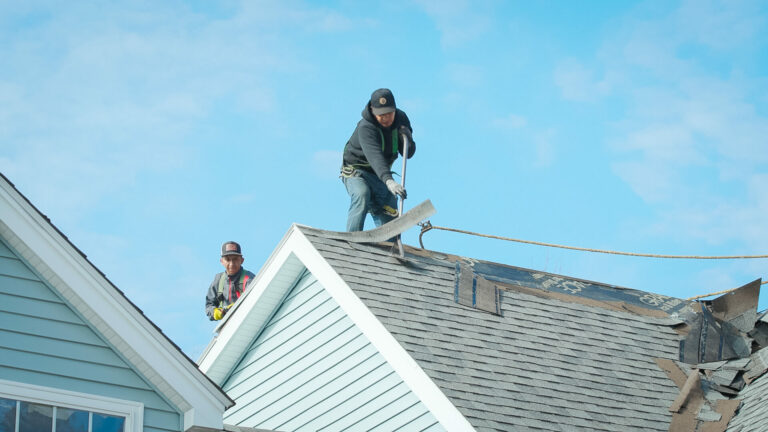
As the repair process concludes and life returns to its routine, it is vital to reflect on the measures that can bolster your home’s defenses against future storm damage. Proactive maintenance schedules and periodic professional assessments serve as safeguards, identifying potential vulnerabilities before they become issues. Establishing a relationship with a roofing expert ensures ongoing support and access to the latest in roofing protection. Roof resilience isn’t just about enduring the next storm—it’s about adapting and enhancing your home’s sheltering capabilities, setting a benchmark for safety and security. Ultimately, it’s this continuous commitment to care and improvement that preserves the sanctity and value of your home for years to come.
Insights From The Experts
Tip 1:
After a storm, perform a visual inspection of your roof from the ground. Look for missing shingles, pieces of flashing, or other debris that can indicate damage.
Tip 2:
If you suspect roof storm damage, contact a professional roofing contractor to conduct a thorough inspection. Quick identification and repair can prevent further damage to your home.
Tip 3:
Keep your gutters and downspouts clean to prevent water backup during heavy storms. Well-maintained drainage systems reduce the risk of water damage from roof overflow.
Tip 4:
Review your homeowner’s insurance policy to understand what types of storm damage are covered. Being well-informed can ease the process of claiming insurance for roof repairs.
Tip 5:
Regular maintenance, such as trimming overhanging branches and securing loose roofing materials, can reduce the chance of storm-related damage and extend the lifespan of your roof.
Expert Answers to Your Roofing Questions
How Can Homeowners Identify Storm Damage on Their Roof?
Look for missing shingles, bent or detached flashing, standing water, or debris accumulation as clear indicators of possible storm damage. It’s also wise to check the attic for leaks or water damage after a storm.
What Immediate Steps Should Be Taken if You Find Storm Damage on Your Roof?
First, document the damage with photos for insurance purposes, then cover any exposed areas with a tarp to prevent further damage, and contact a professional roofing contractor for an immediate assessment.
How Often Should Roofs Be Inspected to Prevent Storm Damage?
Routine inspections are advisable twice a year, typically in the spring and fall, to ensure your roof is in good condition to withstand seasonal storms and harsh weather.
What Are the Long-Term Effects of Unrepaired Storm Damage to Roofs?
Unrepaired damage can lead to chronic water ingress, resulting in rot, mold, compromised structural integrity, and ultimately the need for a costly full roof replacement.
Can Storm Damage to Roofs Be Covered by Insurance, and What Is the Process?
Yes, many insurance policies cover storm damage to roofs; the process involves assessing the damage, filing a claim with detailed documentation, and working with an insurance adjuster to evaluate the costs.