You’re looking at roofing estimates, comparing line items, and then you see it: “decking replacement.” Suddenly you’re wondering… Do I really need that? Or is this one of those unnecessary upsells that homeowners always hear warnings about?
You’re not alone. Most homeowners have no idea what roof decking actually is, let alone whether it needs to be replaced during a roof job. And to be fair, why would you? You don’t see it, you never interact with it, and you probably didn’t think about it until someone put it in a quote.
But here’s the part that matters: sometimes decking absolutely needs to be replaced… and other times, it’s perfectly fine. And knowing the difference can save you hundreds or even thousands of dollars while protecting your home for decades.
At Adam Quenneville Roofing, we’ve inspected and replaced thousands of roofs throughout New England. And in that time, we’ve seen everything from decking that looked brand new under a 25-year-old roof… to wood so soft you could poke a finger through it. Our goal isn’t to scare you; it’s to give you the clarity you deserve.
In this guide, we’ll show you:
- What roof decking actually is,
- How to know when it does or does not need replacement,
- How roofers make that call during tear-off, and
- What you can do to make sure you’re getting an honest assessment.
By the end, you will know exactly what to look for and how to tell the difference between legitimate decking issues and quotes that don’t quite add up.
What Is Roof Decking and Why Is It Important?
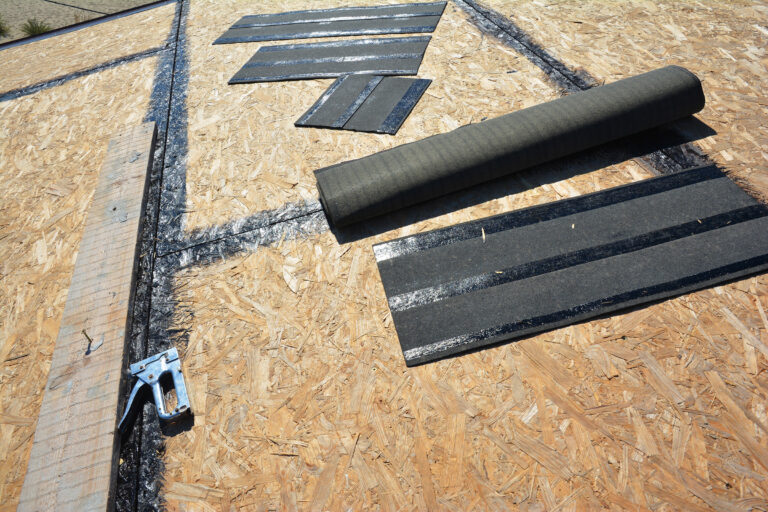
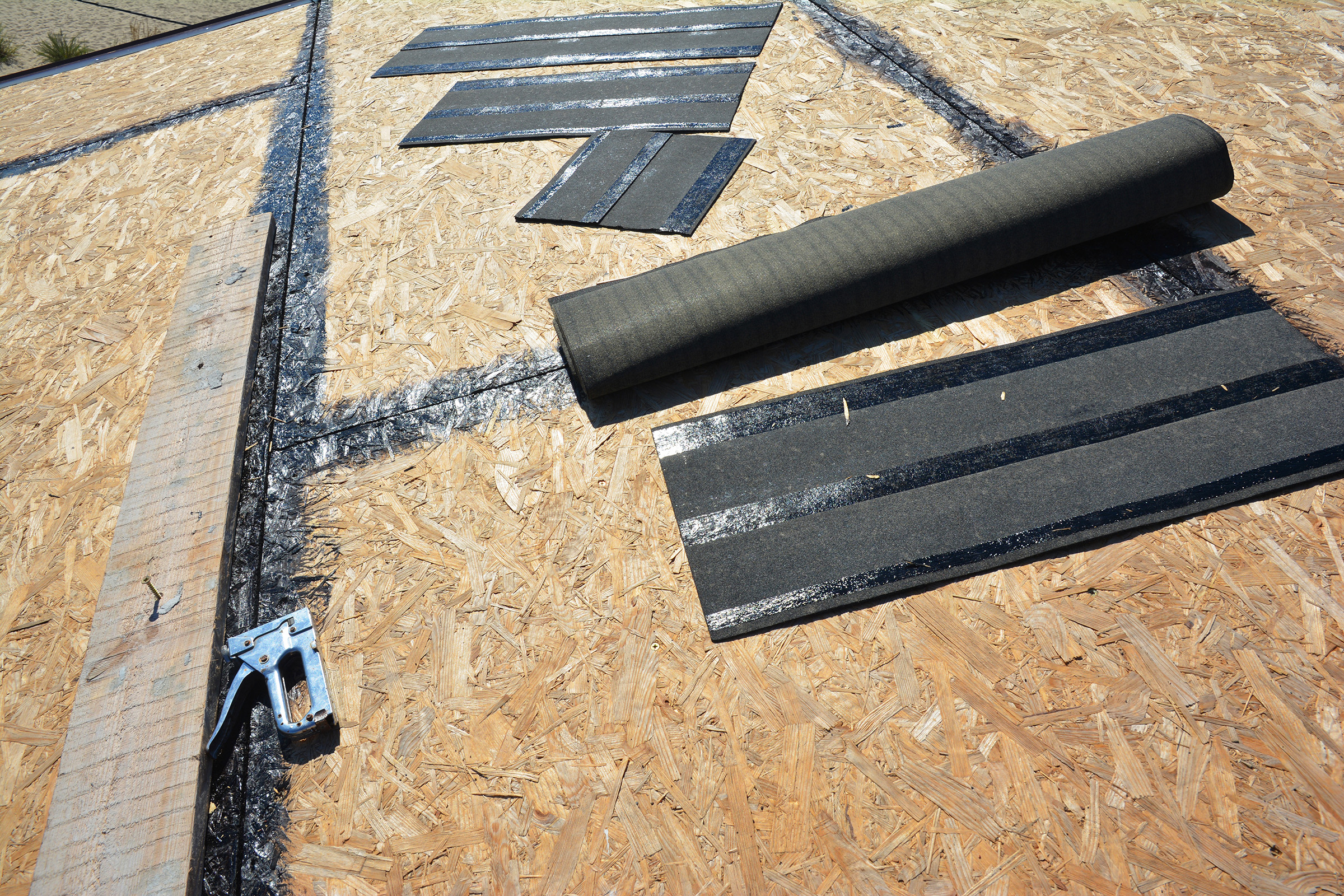
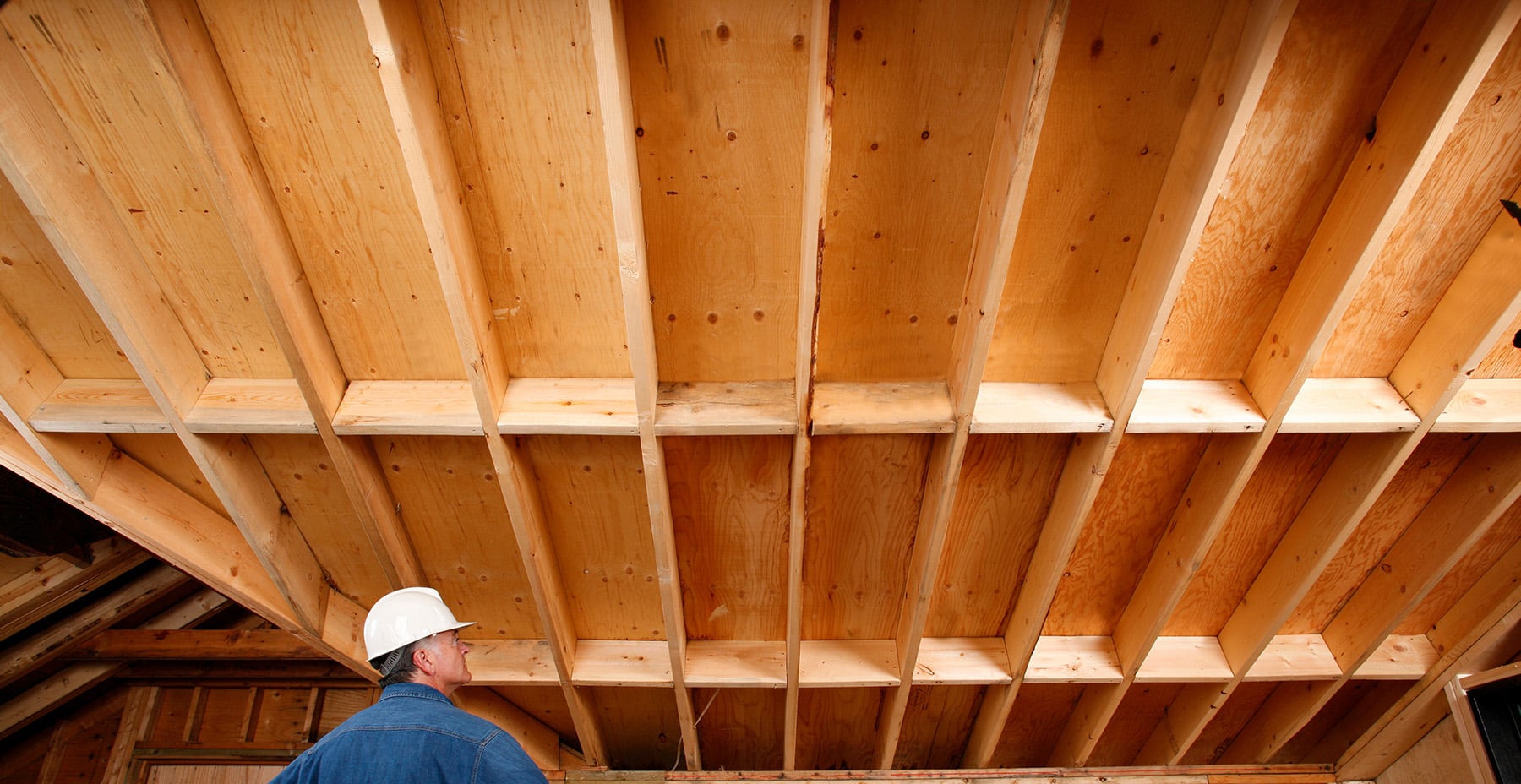
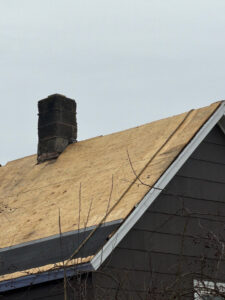 Roof decking, also called sheathing, is the flat surface (typically made of plywood or OSB) that your shingles or other roofing material are attached to. It sits directly on top of the roof trusses and serves as the foundation of your roof system.
Types of residential roof decking include:
- Plywood: A durable, layered wood panel.
- OSB (Oriented Strand Board): A popular, cost-effective alternative to plywood.
Roof decking is critical for:
- Supporting roofing materials
- Maintaining structural integrity
- Acting as a barrier between your home and the elements
Common Signs Your Roof Decking May Need to Be Replaced
If you’re seeing signs of water damage or structural wear, your decking may be compromised.
Here are key indicators:
- Water stains on your ceiling or in the attic
- Sagging or soft spots in your roof
- Growth, mildew, or musty smells in the attic
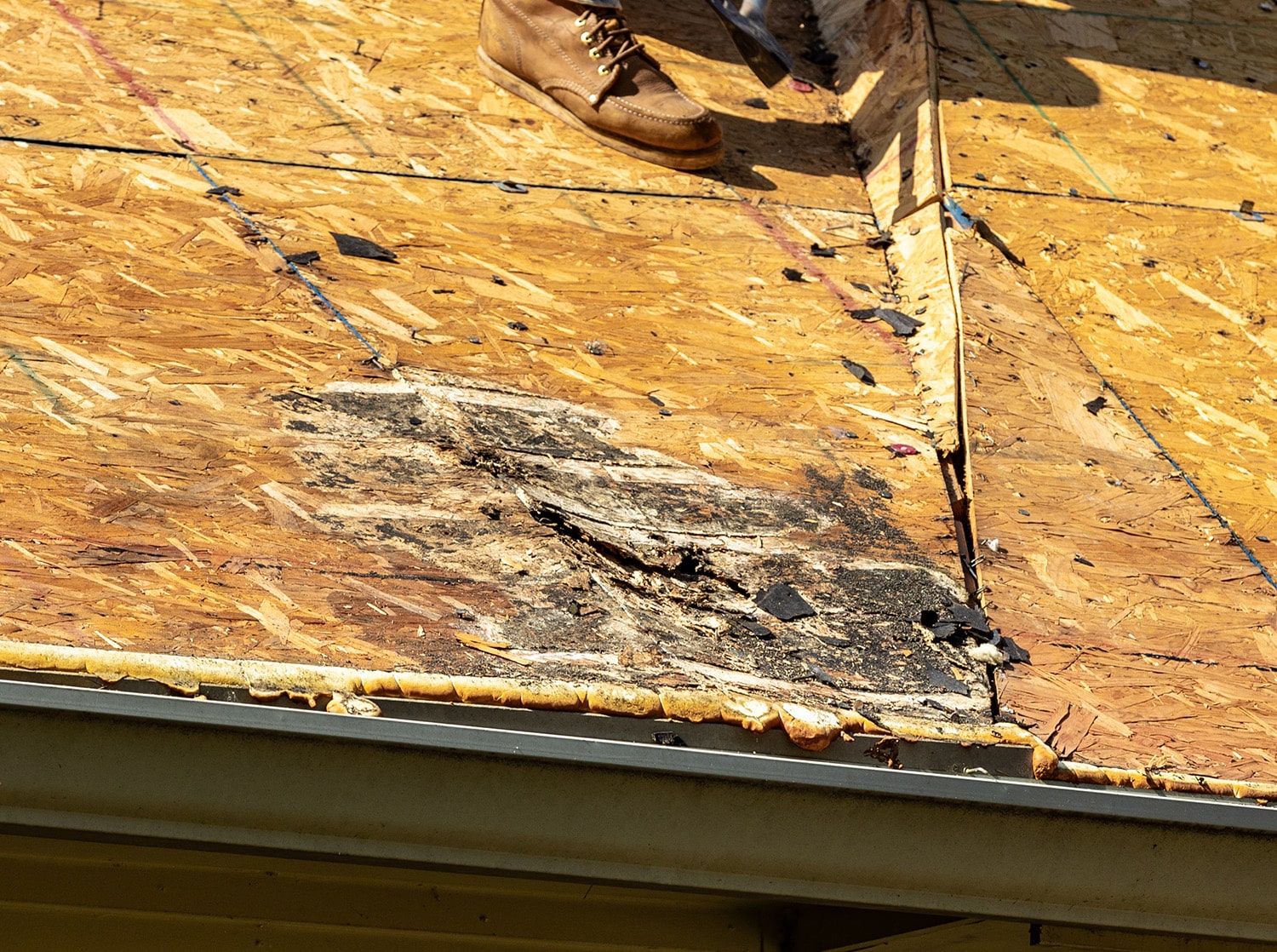
- Visible rot or damage discovered during the tear-off
- A soft or spongy feel when walking on the roof
 Does Every Roof Replacement Require New Decking?
No, not every roof replacement requires new decking, but replacing it where needed is critical to the roof’s long-term performance.
Here’s how it typically works: Decking can be reused if it’s structurally sound and free from water damage or rot. However, if any areas are soft and deteriorated, those sections must be replaced.
That’s why a proper attic inspection is so important. Hidden moisture, ventilation problems, or early signs of rot often show up inside long before they’re visible on the roof.
What Causes Roof Decking to Fail?
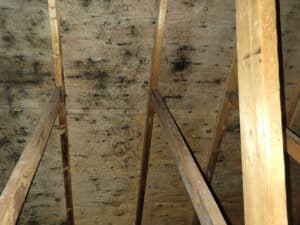 Several factors can lead to decking failure:
- Long-term water intrusion from leaks
- Poor attic ventilation, leading to condensation
- Improper installation of previous roofing layers
- Age-related wear and tear
Addressing these issues during roof replacement helps prevent future problems and ensures your new roof has a strong foundation.
How Do Real Roofers Decide Whether Decking Needs Replacement?
Here’s how professionals determine if your decking is still usable:
- Visual attic inspection
- Probing the wood for soft spots
- Checking for code compliance: In some areas, building codes require complete replacement if damage exceeds a certain percentage or if the gap between boards exceeds a certain threshold.
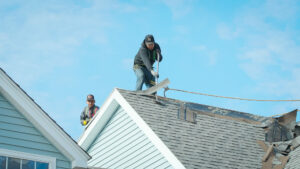
Because decking is one of those things that feels like you need to take the word of the roofer on, roofers must document their findings when up on the roof. For example, here at Adam Quenneville Roofing and Siding, we document every part of the inspection. If we find areas that are soft, rotted, or showing early signs of moisture damage, we take clear photos and videos on the spot. Then we review everything with the homeowner so they can see exactly what we’re seeing. There is no guessing.
How Much Does Roof Decking Replacement Cost?
On average, expect to pay $3 to $8 per square foot for new decking, including labor. A typical sheet (4’x8′) might range from $80 to $250 installed.
Decking replacement costs depend on several factors:
- Material type (OSB vs. plywood)
- Extent of replacement (partial vs. full)
- Labor involved
Can I Replace Just the Damaged Decking?
Yes, partial decking replacement is possible and common, especially when damage is isolated. However, if damage is widespread or the roof has multiple problem areas, a complete replacement may be safer and more cost-effective in the long run.
 What Happens If You Don’t Replace Bad Decking?
Failing to replace compromised decking can lead to:
- Future roof leaks
- Shingle failure or premature wear
- Growth in your attic
- Voided warranties
- Potential safety risks from structural weakness
Replacing a roof without addressing bad decking is like laying brand-new flooring over a rotted subfloor. It might look great on day one, but the problem underneath doesn’t go away, it just gets hidden. Over time, that weakness shows itself through leaks, premature shingle failure, moisture and mold in the attic, and even voided warranties.
That’s why replacing damaged decking upfront matters. The cost to fix it during a roof replacement is almost always far less than the expense of tearing things back open later to correct serious damage that could have been avoided.
 How to Make Sure You’re Getting an Honest Assessment
- Ask your roofer to document all decking damage with photos or video
- If possible, request a walk-through after the tear-off
- Don’t be afraid to get a second opinion if something feels off
For example, we perform a full deck inspection and document everything we find. If any sections of decking are damaged, we provide the homeowner with clear photos showing the problem areas, along with the exact cost to replace them. After the new decking is installed, we take final photos so the homeowner can see the completed work for themselves. This start-to-finish transparency ensures they never have to take our word for it; they can verify every step.
What Should You Do as a Homeowner?
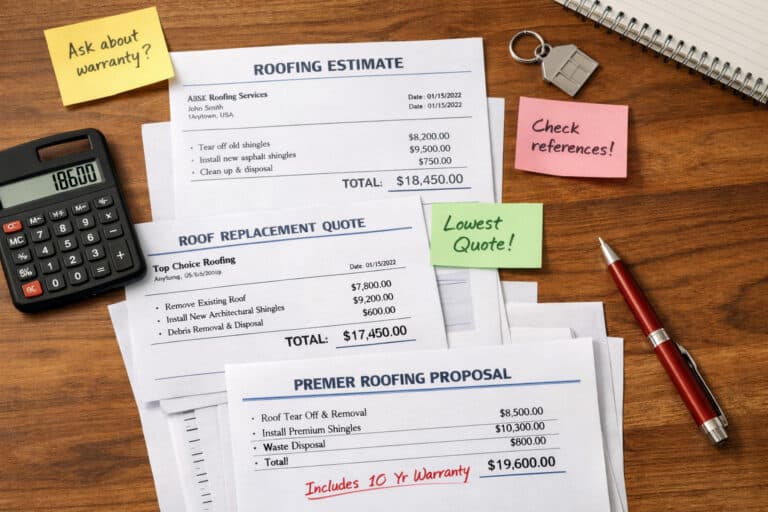
Not every roof replacement requires new decking, but every roof replacement should include a proper decking inspection. If you’re getting quotes, be sure to ask whether decking is included and how it’s assessed.
Choose a roofer who educates you through the process, not one who pressures you. At Adam Quenneville Roofing and Siding, we believe trust is built through clarity, not confusion.
If you’re starting to compare options, learn more about our roof replacement process and what to expect when you work with our team. The more informed you are, the more confident you can feel about the investment you’re making in your home.