• Explore the critical role of proper roof slope in ensuring efficient water drainage and preventing damage to the structure.
• Understand how different roof slopes impact water runoff and the implications for various types of buildings, climates, and roofing materials.
• Discover practical tips and industry-recommended slope guidelines to maintain a home’s integrity and enhance roof longevity.
Proactive Measures and Professional Insight
The roof over your head silently stands guard against nature’s elements, and the way it’s constructed should never be left to chance. As we wrap up our insights on roof slopes, it’s vital to reiterate the significance of proactive assessment and maintenance. When the slant of your roof is designed and implemented expertly, it becomes an unsung hero, quietly preventing water from overstaying its welcome. Homeowners should look out ahead of the stormy seasons, reaching out to trusted roofers who can inspect the precision of their roof pitch. Acting before issues arise is not just proactive—it’s smart home management, securing your peace of mind and fiscal investment.
In addition to embracing a proactive approach, homeowners must consider the expertise needed to navigate the complexities of roof design. This is where the knowledge of a roofing professional becomes invaluable. They not only bring a wealth of experience but also the tools and insight to ensure your roof is equipped to face whatever weather lies ahead. Consulting with a specialist like those at Adam Quenneville Roofing can make the difference between a roof that lasts for decades versus one that succumbs to the pressures of the New England climate. Trust in their expertise could be your best strategic decision yet.
Finally, it’s important to end on a note of assurance. When it comes to your home’s defense against the harsh Massachusetts weather, there’s no such thing as being too cautious. So take that decisive step forward and have your roof evaluated—especially if it’s been a while or you’ve never had it checked. Remember, a strong, appropriately sloped roof isn’t just about directing water away; it’s about protecting your sanctuary. Let the professionals ensure your roof is in prime condition; it’s a move that’s sure to bring steadfast confidence every time the clouds gather.
The Necessity of Roof Slope Precision
Imagine a typical Massachusetts home during a robust October rainstorm. The rain pours down in sheets, collecting on the roof and – if properly designed – flowing neatly into gutters and away from the home’s foundation. This scenario plays out without issue only if the roof above is built with a specific inclination, engineered precisely for such drainage efficiency. It highlights why understanding the importance of proper roof slope for drainage isn’t just technical jargon; it’s a critical component of home maintenance. Ignoring it might mean courting disaster with every downpour.
The consequences of an improperly sloped roof are not immediately apparent but can manifest in subtler ways over time. Small signs like a minor drip or slight water pooling might seem insignificant but can hint at an underlying issue with your roof slope. These red flags are your roof’s way of crying for help, warning of potential future damage that can escalate rapidly in the inclement weather so characteristic of New England autumns. By ensuring your roof has the right pitch, you’re not just protecting your home today; you’re securing its integrity for years to come. This is more than a preventive measure; it’s a strategic investment in the longevity of your home.
So, does your roof meet the expert-recommended slope to handle the inevitable rainfall and harsh weather? It’s a question worth contemplating, lest you find yourself facing unexpected and costly repairs. Now is the time to assess your roof’s pitch and ensure it meets the optimal gradient for water redirection. The details may appear complex, but the essence is simple: a well-angled roof leads to peace of mind during every storm. With autumn’s arrival, the urgency for this check-up intensifies, adding weight to the old adage that an ounce of prevention is worth a pound of cure.
Proactive Measures and Professional Insight
The roof over your head silently stands guard against nature’s elements, and the way it’s constructed should never be left to chance. As we wrap up our insights on roof slopes, it’s vital to reiterate the significance of proactive assessment and maintenance. When the slant of your roof is designed and implemented expertly, it becomes an unsung hero, quietly preventing water from overstaying its welcome. Homeowners should look out ahead of the stormy seasons, reaching out to trusted roofers who can inspect the precision of their roof pitch. Acting before issues arise is not just proactive—it’s smart home management, securing your peace of mind and fiscal investment.
In addition to embracing a proactive approach, homeowners must consider the expertise needed to navigate the complexities of roof design. This is where the knowledge of a roofing professional becomes invaluable. They not only bring a wealth of experience but also the tools and insight to ensure your roof is equipped to face whatever weather lies ahead. Consulting with a specialist like those at Adam Quenneville Roofing can make the difference between a roof that lasts for decades versus one that succumbs to the pressures of the New England climate. Trust in their expertise could be your best strategic decision yet.
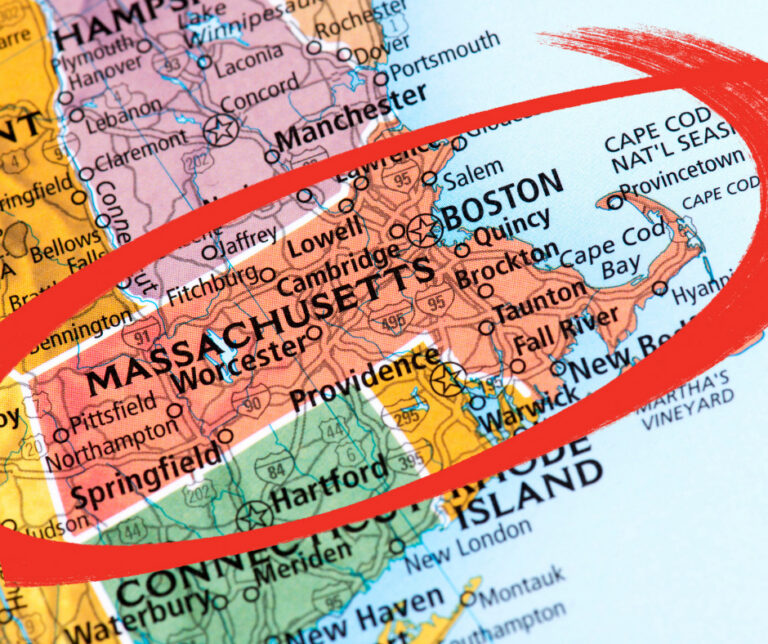
Finally, it’s important to end on a note of assurance. When it comes to your home’s defense against the harsh Massachusetts weather, there’s no such thing as being too cautious. So take that decisive step forward and have your roof evaluated—especially if it’s been a while or you’ve never had it checked. Remember, a strong, appropriately sloped roof isn’t just about directing water away; it’s about protecting your sanctuary. Let the professionals ensure your roof is in prime condition; it’s a move that’s sure to bring steadfast confidence every time the clouds gather.
Insights From The Experts
Tip 1:
When planning your roof, consult with a professional to determine the ideal slope. A properly sloped roof not only ensures efficient water drainage but also extends the lifespan of your roofing materials.
Tip 2:
Regular inspection is key to maintaining optimal roof drainage. Look for signs like water pooling or gutters overflowing, which suggest your roof slope may require adjustment.
Tip 3:
Consider the climate and typical weather patterns in your area when determining your roof’s slope. Regions with heavy snowfall or intense rains might necessitate steeper slopes for better drainage.
Tip 4:
If you encounter issues with an existing roof slope, retrofitting with additional drainage systems or re-grading the slope might be necessary. Always work with certified roofers to ensure proper modifications are made.
Tip 5:
Understand that different roofing materials will affect the slope requirements of your roof. For instance, metal roofs can work with gentler slopes compared to asphalt shingles that may need a steeper angle to ensure rapid water runoff.
Expert Answers to Your Roofing FAQs
1. How do you determine the proper slope for your specific roof type to ensure effective drainage?
The ideal slope is typically determined by your roof’s design and local weather patterns. A professional roofer can calculate the precise pitch using a ratio of vertical rise to horizontal run, ensuring effective drainage and longevity.
2. Can an incorrect roof slope lead to significant water damage and structural issues?
Absolutely, an incorrect roof slope impedes water flow, leading to pooling and water infiltration which can cause mold, rot, and structural weakening over time.
3. What are the consequences of not adhering to the recommended roof slope guidelines?
Ignoring recommended guidelines can result in persistent leaks, increased repair costs, and even a reduction in your property’s overall value.
4. How can I address existing drainage problems due to an improperly sloped roof?
Addressing drainage issues may involve modifying the roof pitch or adding additional waterproofing measures, best assessed and rectified by skilled roofing professionals.
5. Are there different slope requirements for various roofing materials, such as shingles or metal roofing?
Yes, each roofing material has optimal slope conditions; for example, shingles require a steeper slope than metal roofs, which are more accommodating to lower slopes.