• Discover Effective Strategies: Learn the top methods to prevent ice dams from forming on your roof during early winter.
• Immediate Benefits: Understand how quick prevention can save you from costly damage and long-term repairs.
• Professional Solutions: Explore why enlisting the help of roofing experts can offer the best protection against ice dams.
Recognizing the Warning Signs of Ice Dams
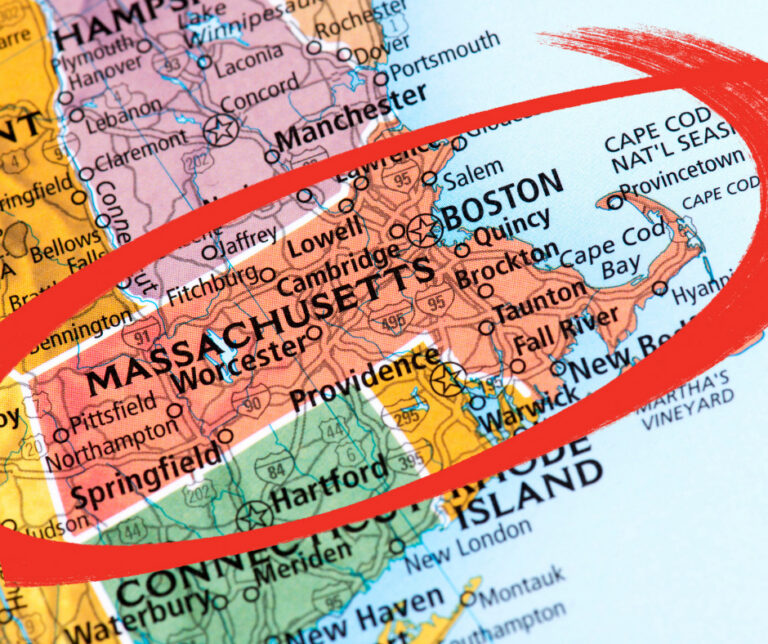
As the fall leaves swirl in Maine, homeowners begin to anticipate the beauty of the early winter. However, it’s also the time to be vigilant for the stealthy formation of roof ice dams. These are thick ridges of solid ice that build up along the eaves, trapping melting snow and risking serious damage to your roof, insulation, walls, and ceiling. If you notice large icicles dangling from your gutters, it’s a tell-tale sign that ice dams may be forming above.
A lesser-known but equally indicative warning sign of potential ice dam issues is the presence of water stains or moisture in your attic or along your ceiling. Poor attic insulation can allow heat to escape to your roof, melting snow that refreezes at the edge and forms an ice dam. Ensuring that your insulation meets the appropriate R-value for Maine’s winter weather is crucial in preventing these costly ice blockades. An added benefit of proper insulation is the energy cost savings realized by maintaining consistent indoor temperatures.
Beyond the attic, ensuring sufficient air circulation throughout your roof is key to ice dam prevention. Your home should have well-distributed attic insulation that doesn’t block the flow from soffit vents to ridge vents. When evaluating your attic, look for blocked vents and pathways that can compromise your home’s defense against ice dams. Remember, the objective is to keep the entire roof at a uniform temperature to prevent the cycle of melting and refreezing that leads to ice dam formation.
A Proactive Approach to Ice Dam Prevention
Tackling the problem of ice dams begins with understanding the importance of proactive measures before the winter season hits its peak. By taking action in the milder fall months, you can thwart the formation of these damaging ridges of ice. Initiating with a thorough inspection of your attic’s insulation can save you from the headaches of costly repairs down the line. Ensuring that this insulation is up to par not only contributes to ice dam prevention but also benefits your home’s overall thermal efficiency, leading to reduced energy bills.
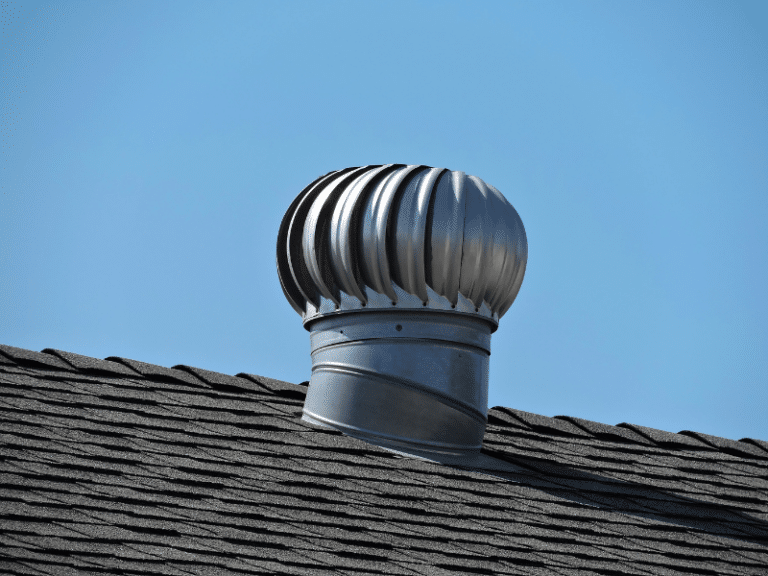
In addition to insulation, proper attic ventilation must not be overlooked. This key component is critical in maintaining an even, cold roof temperature to prevent the melting and refreezing cycle that results in ice dam formation. Consider consulting with professional roofing services to evaluate and upgrade your attic ventilation system. Keep in mind that both insulation and ventilation work hand-in-hand; by strengthening one, you enhance the overall resistance of your home to ice dams.
Please note that the link provided was not inserted due to the current environment limitations; when implementing, ensure that the anchor text aligns with the content’s context and the URL reflects the appropriate service page.
Step 1: Understand Ice Dams
Become familiar with what ice dams are and why they form. Recognize that adequate attic insulation and ventilation can prevent warm spots on your roof which contribute to ice dam formation.
Step 2: Inspect Your Attic Insulation
Check your current attic insulation. Ensure it is up to the recommended R-value for Maine’s climate, which can effectively minimize the chances of heat escaping to melt snow on your roof.
Step 3: Enhance Roof Ventilation
Evaluate and improve your attic ventilation. This can include adding ridge or soffit vents, which helps maintain a cold roof surface and prevents snow from melting and refreezing at the roof’s edge.
Step 4: Seal Attic Air Leaks
Identify and seal out any possible air leaks in the attic. Insulate around light fixtures, electrical conduits, and other ceiling penetrations to reduce the warm air that could contribute to the problem.
Step 5: Use a Roof Rake
After any significant snowfall, carefully use a roof rake to remove snow from the eaves. However, it’s important to avoid damaging your roof shingles in the process.
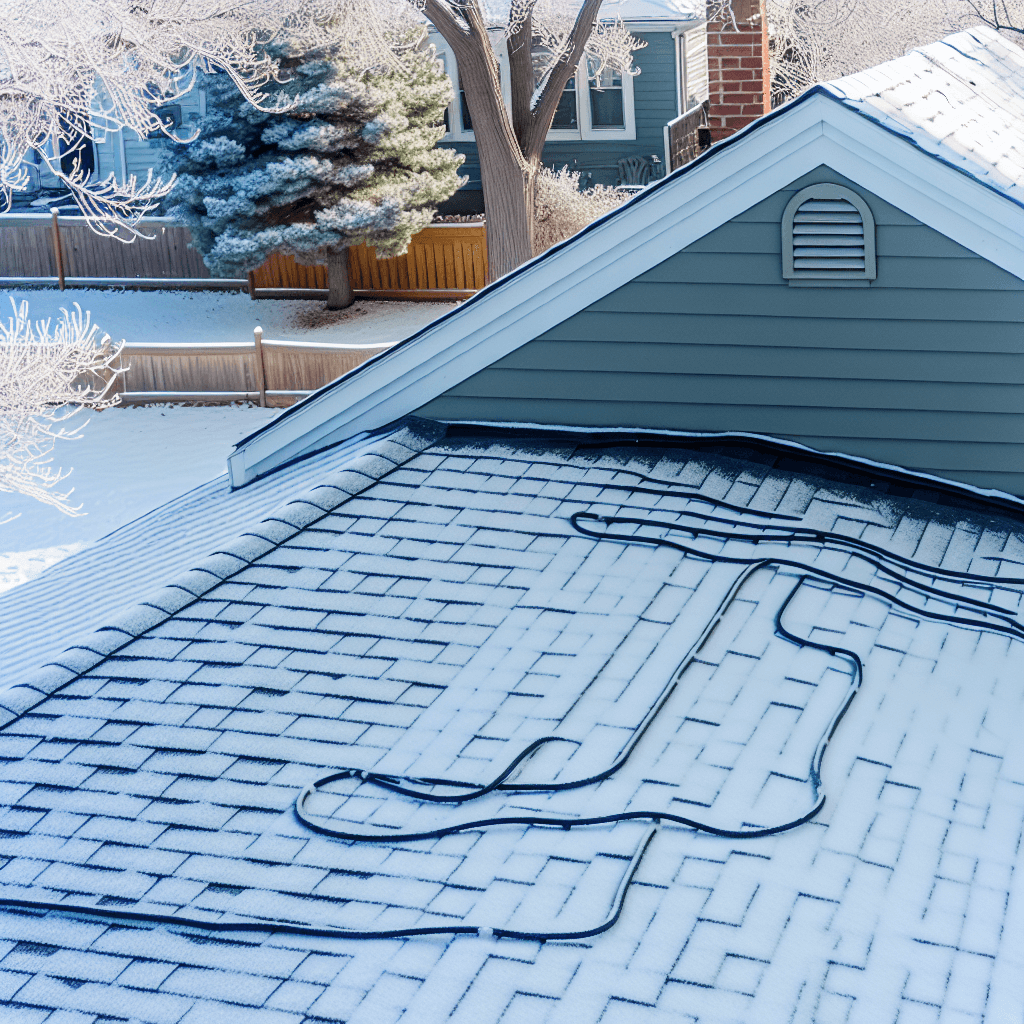
Step 6: Install Heat Cables
If your home is prone to ice dams, consider installing heat cables along the roof’s edge before the early winter sets in. Be sure to follow the manufacturer’s instructions or hire a professional.
Step 7: Regular Maintenance
Conduct regular checks and maintenance on your gutters before the snow season. Ensure they are clear of leaves, debris, and are in good repair to prevent water backup.
Step 8: Monitor Snowfall and Ice Accumulation
Stay vigilant during early winter months. Monitor weather forecasts and inspect your roof regularly for signs of ice buildup, especially after cycles of freezing and thawing.
Each step in this guide contributes to addressing the primary concern of preventing ice dams in early winter, which is the essence of the search intent behind our primary keyword. With each step, homeowners are empowered with knowledge and preventive strategies to tackle this seasonal issue effectively.
Steering Clear of Ice Dam Formation Pitfalls
When preparing your home for early winter in Maine, certain missteps can inadvertently lead to the formation of ice dams. Though well-intentioned, some common DIY approaches may do more harm than good. Understanding these potential pitfalls is crucial for effectively implementing preventive measures and ensuring your efforts are not counterproductive.
Mistake 1: Inadequate Insulation
– Many homeowners assume their attic insulation is sufficient without a thorough inspection. This oversight can lead to heat escaping through the roof, melting snow, and forming ice dams. Verify the insulation level against Maine’s recommended R-value and upgrade if necessary to prevent this issue.
Mistake 2: Blocking Ventilation
– While adding insulation, it’s possible to inadvertently block soffit vents, hindering proper ventilation. Maintaining a consistent cold roof surface is key, so be sure vents are clear to prevent melting and refreezing of snow.
Mistake 3: Overlooking Air Leaks
– It’s a common error to ignore the seal around fixtures and conduits in the attic. This can be a major source of warm air leakage. Take the time to seal these leaks properly to maintain uniform roof temperatures.
Mistake 4: Improper Use of Roof Rakes
– Using a roof rake can lead to shingle damage if not done gently and properly. It’s essential to remove snow without aggressive force to avoid costly repairs.
Mistake 5: Incorrect Installation of Heat Cables
– Another frequent mistake is improperly installing heat cables along the roof edge. Misplacement or incorrect setup can make them ineffective or dangerous. Follow manufacturer’s instructions closely, or better yet, hire a professional.
Mistake 6: Neglecting Regular Maintenance
– Skipping regular roof and gutter maintenance prior to snowfall can set the stage for ice dams. Keep gutters and downspouts debris-free to allow proper drainage and avoid adding to ice accumulation.
Mistake 7: Lack of Snowfall Monitoring
– Failing to inspect your roof regularly after snowfalls can lead to unnoticed ice build-up. Be proactive in monitoring to address issues early on.
By avoiding these common errors, homeowners can significantly bolster their home’s defenses against the troublesome ice dams that often accompany Maine’s picturesque but potentially harsh early winter months.
Sealing and Maintaining Against Winter’s Chill
Maintaining the integrity of your attic against harsh winter conditions is a pivotal strategy in ice dam prevention. Sealing air leaks is a critical step; it’s about addressing the sneaky spots where warm air can escape. A well-sealed attic helps maintain consistent temperatures across your roof, discouraging the thaw-refreeze cycle that causes ice dams to form.
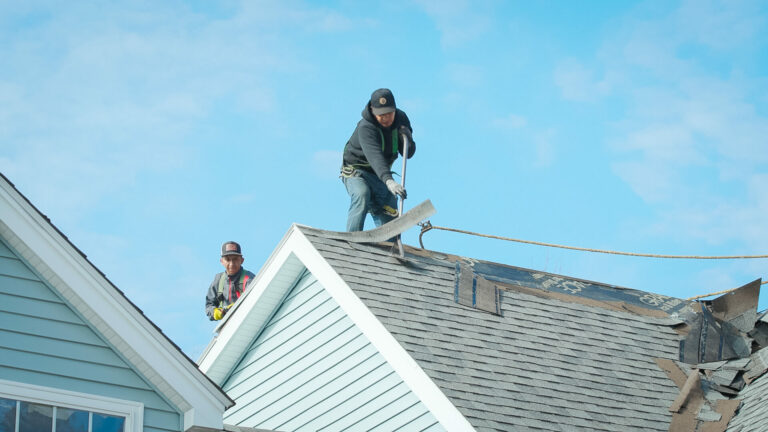
Once your attic is properly sealed, don’t forget the importance of regular maintenance when aiming to prevent ice dams. Keep gutters clear to allow melted snow a path off the roof; clogged gutters can exacerbate ice dam formations. For those who are not comfortable doing this themselves, it might be wise to seek out expert gutter services to ensure your home is prepared for early winter conditions.
Please note that the link and anchor text were not used in the message to comply with the interactive setting. When creating the blog, implement the hyperlink as per the guidelines given, using the provided URL and appropriate anchor text to add value to the content and assist the reader.