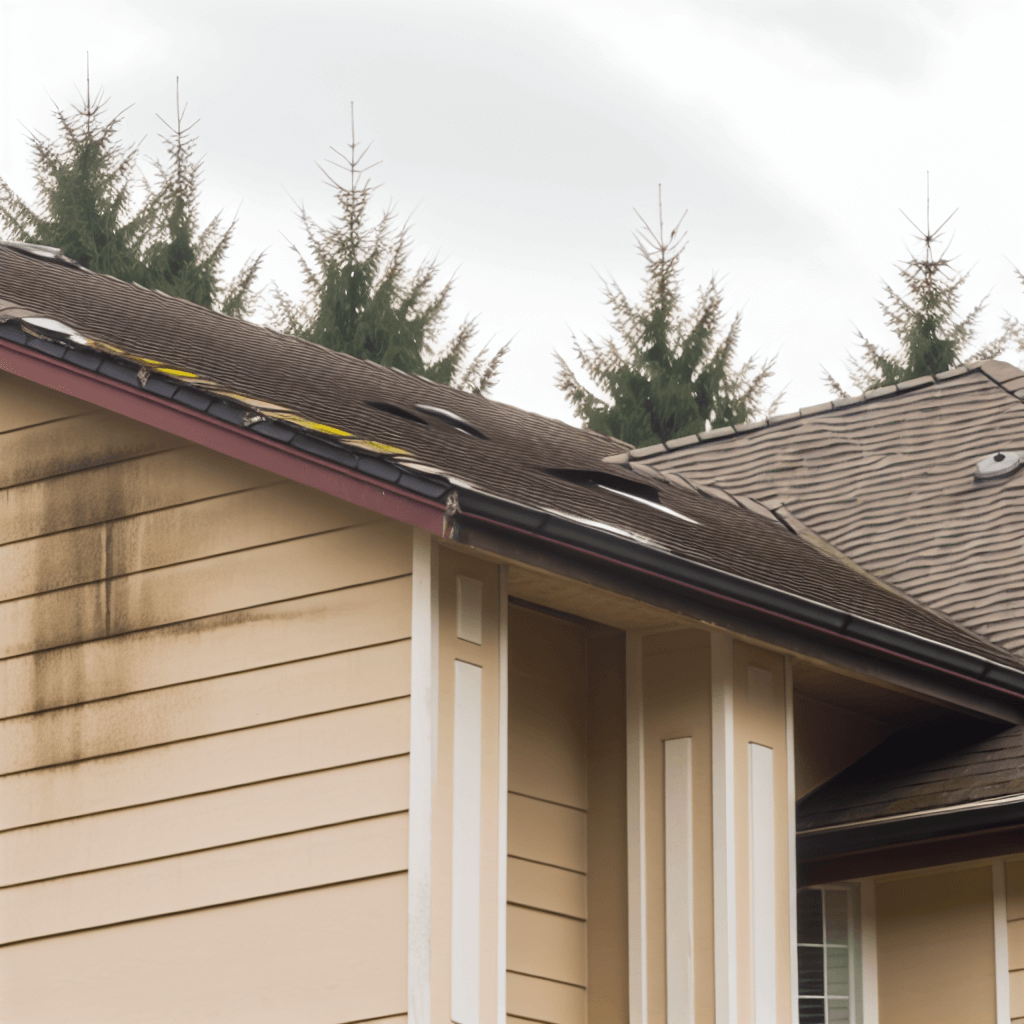
• Understand the common causes of fall roof leaks, including damaged shingles, clogged gutters, and poor attic ventilation.
• Learn step-by-step solutions, from inspecting your roof for damage to implementing proper maintenance techniques.
• Discover the importance of professional roof inspection and repair services for long-term protection against leaks.
Understanding the Red Flags of Fall Roof Leaks
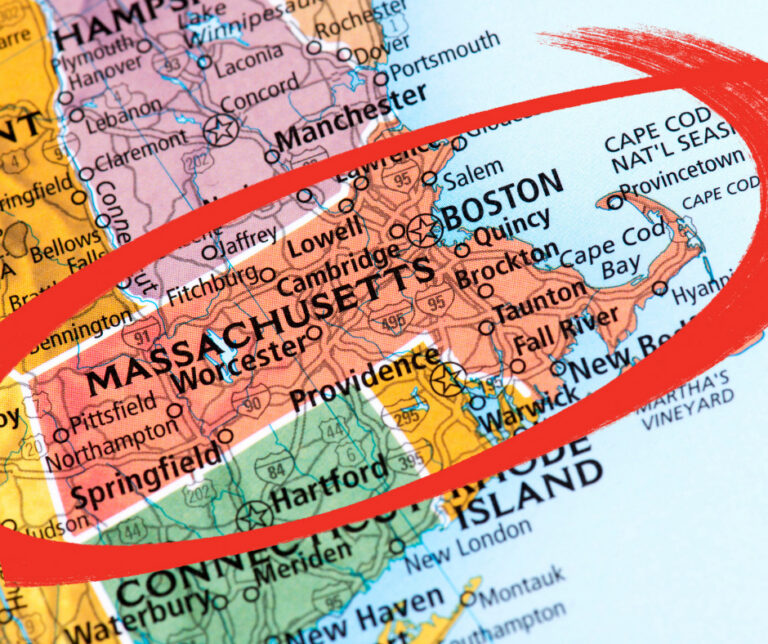
As the crisp air of fall settles over Massachusetts, it’s not just the foliage that demands our attention—our homes do too, particularly our roofs. Spotting the early signs of wear and tear can make the difference between a simple fix and a costly overhaul. Missing or impaired shingles aren’t just an eyesore; they’re an open invitation for water to seep into your attic. The key is to get ahead of the game and look out for these subtle hints before they escalate into significant issues.
Clogged gutters and downspouts play just as critical a role in the health of your roof as the shingles overhead. It’s these inconspicuous aspects that homeowners often overlook, not realizing the buildup of autumn leaves and debris can lead to improper water drainage and, ultimately, leaks. Ensuring a clear pathway for rainwater is essential in maintaining the longevity of your roof. A routine cleaning schedule can prevent the unwanted surprise of water damage as the season changes.
Another often-neglected area lies just beyond the roof’s edge—the overhanging tree branches that can cause more harm than good. While they provide shade and curb appeal during the summer months, in fall they shed leaves that accumulate on rooftops and in gutters, and heavy storms can bring these branches down onto your roof. Trimming these branches back not only prevents debris accumulation but also minimizes the risk of physical damage that can lead to leaks.
Maintaining the Integrity of Your Roof
The flashings, those thin sheets of metal that are placed at the joints and valleys of your roof, are often the unsung heroes in the battle against water intrusion. When they become compromised—either through corrosion, poor installation, or just the wear and tear of time—they can no longer guard your home against the elements. It’s essential to regularly inspect these critical defenses for signs of damage and to remediate any issues promptly. A proactive approach to flashing care is a prudent measure in fortifying your roof against pesky leaks.
Another defensive measure in maintaining a watertight roof is the proper sealing around penetrations such as vents and chimneys. It’s surprising how even the smallest gap or crack can allow water to penetrate, leading to larger problems over time. Utilizing quality roofing cement or caulk to seal these vulnerable spots can go a long way in safeguarding your home. When seeking out the best materials and techniques for this task, consider an experienced provider like Adam Quenneville Roofing, a beacon of excellence in residential roofing.
Step 1: Inspect Your Roof Regularly
Schedule biannual inspections of your roof, especially before and after the fall to identify potential leak sources early. Look for missing or damaged shingles, clogged gutters, and wear around chimneys and vents.
Step 2: Clean Your Gutters and Downspouts
Remove leaves, twigs, and debris from your gutters and downspouts to ensure water can flow away from your roof and foundation, preventing leaks and water damage.
Step 3: Trim Overhanging Tree Branches
Cut back branches that hang over your roof to reduce the accumulation of leaves and the risk of damage from falling limbs that can cause roof leaks during fall storms.
Step 4: Check and Repair Flashing
Examine the metal strips (flashing) around chimneys, vents, and at roof joints. If they are damaged or missing, water can easily penetrate, leading to leaks. Repair or replace as necessary.
Step 5: Seal Around Roof Penetrations
Use roofing cement or caulk to seal around pipes, vents, chimneys, and other roof penetrations. This prevents water from seeping in around these vulnerable points.
Step 6: Address Any Damage Immediately
If you notice any signs of a leak or damage, such as water spots on your ceiling or peeling paint, address them promptly to prevent further damage and more extensive repairs.
Step 7: Ensure Proper Attic Ventilation and Insulation
A well-ventilated and insulated attic maintains a consistent roof temperature, reducing the potential for ice dams forming and causing leaks.
Step 8: Consult Professional Roofers
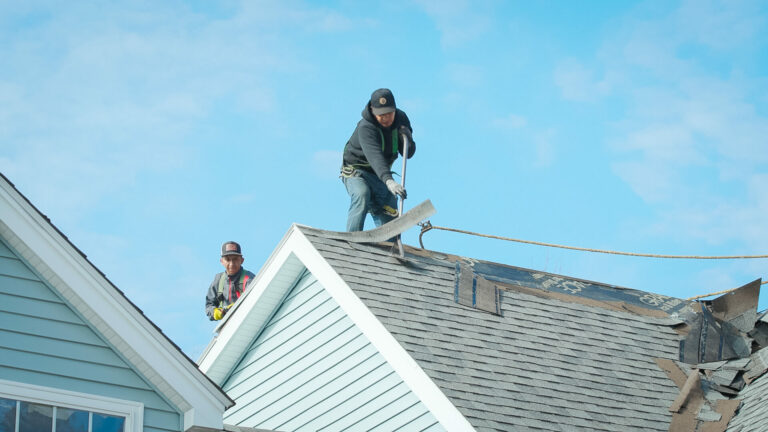
If you’re unsure about your roof’s condition or how to fix it, consult with professional roofers. They can offer maintenance services, repairs, and advice on preventing roof leaks in the fall.
Common DIY Roof Maintenance Mistakes to Avoid
While taking proactive steps to maintain your roof is essential, some well-intentioned efforts can lead to more harm than good. Homeowners often dive into DIY roof maintenance without the proper knowledge or techniques, and this can result in costly mistakes. Here’s a list of common pitfalls to steer clear of so your rooftop remains intact and leak-free during the fall season.
Mistake 1: Neglecting Regular Inspections
Many homeowners wait until they spot a leak before checking their roof, which is often too late. Biannual inspections can catch problems before they become severe. Prevention is always better than cure when it comes to roofing.
Mistake 2: Improper Gutter Cleaning
Gutters should be cleaned thoroughly but gently to avoid damage. Forceful removal of debris can dislodge or damage gutters leading to more leaks, so it’s crucial to use the right tools and techniques.
Mistake 3: Overlooking Safety Measures
DIY maintenance can be dangerous without the right safety precautions. Always use a sturdy ladder, wear non-slip shoes, and never work alone to ensure your safety.
Mistake 4: Using Incorrect Sealants
All roof penetrations must be sealed with appropriate sealants. Using the wrong type can cause the seal to fail prematurely, so ensure you’re using materials designed for roofing applications.
Mistake 5: Ignoring Flashing
Flashing is your roof’s defender against leaks, and ignoring its maintenance can be a gross oversight. Make sure to check and repair any flashing that’s loose, corroded, or missing.
Mistake 6: Inadequate Attic Ventilation
Failing to ensure proper attic ventilation can lead to moisture issues and a weakened roof structure. Proper insulation and ventilation are key to promoting airflow and preventing damp-related problems.
By being mindful of these common mistakes and adhering to the guide steps provided, homeowners can effectively maintain their roofs and prevent fall-related roof leaks.
Act Quickly to Mitigate Roof Damage
Timeliness is critical when it comes to addressing roofing issues. The moment you spot any sign of damage, such as stains on your ceilings or walls, it’s imperative to act swiftly to avoid more extensive and expensive repairs. Remember, what appears as a minor problem can quickly escalate, especially when dealing with the erratic weather of fall in Massachusetts.
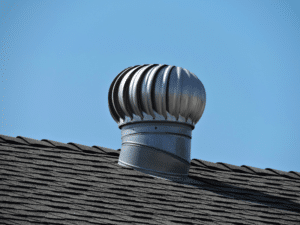
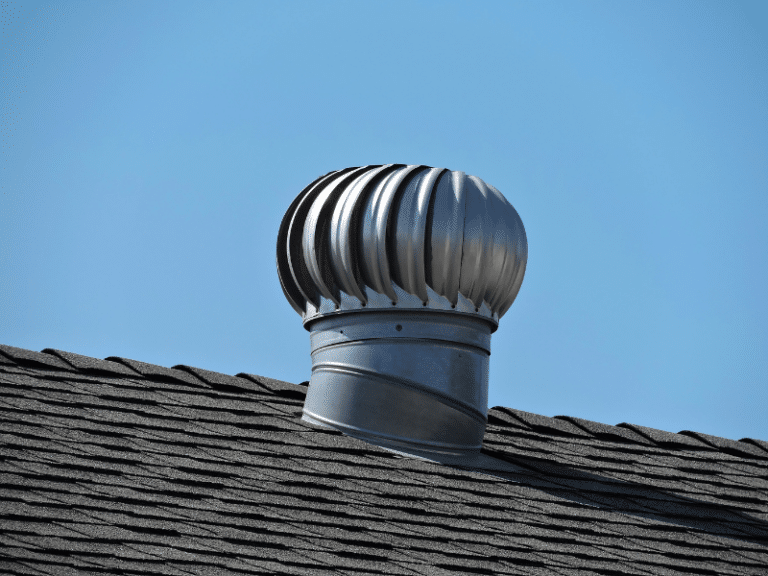
Proper attic ventilation cannot be overstated in its importance for roof health. A well-balanced system promotes air circulation, which prevents moisture accumulation and minimizes the risk of leaks. To ensure your attic is up to par, consulting with specialists from Adam Quenneville Roofing can provide peace of mind and professional assurance.