
• Understanding Roof Insurance Claims: A step-by-step guide to help Massachusetts homeowners efficiently navigate the roof insurance claims process.
• Professional Assistance: Emphasizing the importance of seeking expert help when dealing with insurance claims to ensure accuracy and maximize potential coverage.
• Stay Informed and Connected: Encouraging readers to remain updated with the latest roofing news and ongoing projects by visiting our social media platforms.
Early Detection of Roof Damage
The first signs of roof damage can often go unnoticed until it leads to more severe problems. It’s essential to be proactive and check for issues regularly, particular after harsh weather that Massachusetts is known for in the fall. Look out for missing, cracked, or curled shingles as they can be the harbingers of potential leaks. Also, keep an eye out for granules from the shingles accumulating in gutters, a subtle sign that your roof materials are wearing down.
When inspecting your roof, it’s not only the shingles you should worry about. Ensure that you examine the flashing around chimneys, vents, and skylights, as these areas are prone to breaches that can let water in. Interior signs such as water stains on your ceiling or walls and a sudden increase in energy bills might suggest insulation problems due to roof compromise. Ignoring these signals can lead to hefty repair bills, making early detection crucial to nipping problems in the bud.
Preparing for the Roof Insurance Claims Process
Before you can navigate the roof insurance claims process, understanding the condition of your roof is paramount. If upon your inspection you find evidence of damage, it’s vital to document everything meticulously. Take photos from multiple angles to capture all the details of the damage. Gathering this documentation now will simplify the process when you need to explain the situation to your insurance company.
A sound knowledge of your insurance policy is key before you initiate a claim. Many homeowners fail to understand the nuances of their coverage until they desperately need it. Take the time to review your policy, focusing on the deductibles and specifics about roof damage. Understanding this upfront can save you from surprises down the line and equip you with the knowledge to facilitate a smooth claims process.
Filing the Claim with Confidence
Initiating the insurance claim process promptly and correctly is fundamental to handling roof damage effectively. As soon as you’ve documented the damage, contact your insurance provider without delay. Ensure that you have your policy number handy and provide a clear description of the damage to streamline the initial reporting process. It’s also wise to inquire about the timeline and any immediate steps you should take, such as securing a tarp to prevent further damage.
When filling out the claim form, be thorough and precise to ensure that all necessary details are conveyed. If you’re uncertain about any aspect, don’t hesitate to seek clarification from your insurer to avoid any missteps. Remember, this form is a pivotal element of the roof insurance claims process—accuracy and completeness will help prevent delays. Once submitted, expect a visit from an insurance adjuster who will assess the damage and provide an estimate for repairs.
Navigating Inspections and Estimates
The visit from the insurance adjuster marks a critical juncture in your insurance claim journey. It’s advisable to be present during this inspection to ensure all areas of concern are addressed. Following their assessment, the adjuster’s report will contribute significantly to the final settlement offer from the insurance company. While waiting for the report, obtaining repair estimates from licensed contractors is a proactive step you can take to be prepared for negotiations.
Analyzing the insurance company’s repair settlement offer requires a careful approach. It’s important to compare the offered amount against the estimates received from the contractors. If there’s a significant discrepancy, don’t be shy about discussing this with your insurance representative. A fair settlement is not only desirable but necessary to ensure your roof is restored to its proper state.
Step 1: Evaluate Roof Damage and Document Accordingly
Begin by inspecting your roof for any damages, especially after a storm or significant weather event in Massachusetts. Take clear photos and videos of all the affected areas to document the extent of the damage.
Step 2: Review Your Insurance Policy
Familiarize yourself with your insurance policy details. Look for coverage limits, deductibles, and specific clauses related to roof damage. Understanding your policy is crucial before initiating a claim.
Step 3: Contact Your Insurance Company
Reach out to your insurance provider to notify them of the damage. Request the specifics of the roof insurance claims process and any necessary forms or documents you’ll need to submit.
Step 4: Fill Out the Insurance Claims Form
Complete the insurance claims form provided by your insurer. Include all relevant details and attach the documentation of the roof damage.
Step 5: Schedule an Appointment with an Insurance Adjuster
Arrange for an insurance adjuster to inspect your property. This assessment will determine the validity of your claim and the extent of compensation for the roof damage.
Step 6: Get Repair Estimates from Licensed Contractors
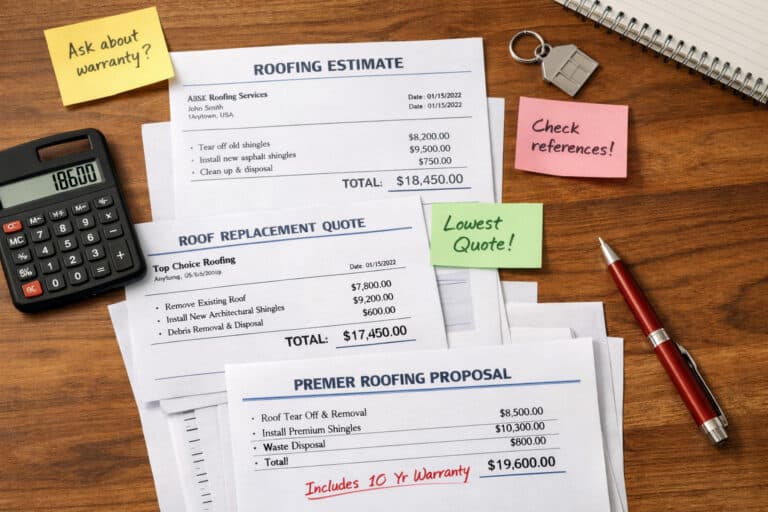
Obtain written estimates for the repair work from a few licensed contractors in Massachusetts. The estimates will provide a benchmark for the insurance company’s offer.
Step 7: Review the Insurance Company’s Settlement Offer
Once the adjuster has filed their report, the insurance company will present you with a settlement offer. Review this offer in detail to ensure it covers the necessary repair costs.
Step 8: Finalize the Claim and Begin Repairs
Upon accepting the settlement, finalize all paperwork. Then proceed with the repairs by hiring a reputable contractor who is experienced in fixing storm damage claims in Massachusetts. Ensure they are briefed on the insurer’s assessment and the scope of work agreed upon.
Common Pitfalls in the DIY Roof Insurance Claim Process
When tackling a roof insurance claims process explained on your own, there’s a fine line between doing it right and costly missteps. It’s important to approach the process with a solid strategy to avoid common errors that can lead to delays or denials. Here are some frequent mistakes homeowners make, with tips on how to sidestep them efficiently.
Mistake 1: Underestimating Damage
Many homeowners are quick to assess damage without a thorough inspection, leading to underreported claims. This often happens because not all damage is apparent to the untrained eye. To prevent this, conduct an extensive inspection or hire a professional to ensure all damage is documented.
Mistake 2: Overlooking Policy Details
Forgoing a detailed review of your insurance policy can result in missed coverages or misunderstandings about what is claimable. This mistake can occur when homeowners are overwhelmed by the complexity of insurance documents. To avoid this, take time to read and understand your policy or consult with an insurance specialist.
Mistake 3: Poor Documentation
Insufficient documentation of damage can weaken your claim substantially. This can be due to hastily taken photos or incomplete records. To prevent it, systematically document all damage in detail, using video and photo evidence from every angle.
Mistake 4: Delaying the Claim
Waiting too long to contact your insurance company can cause complications with your claim. This happens when homeowners procrastinate or hope for the damage to resolve on its own. To avoid this pitfall, initiate contact as soon as possible after discovering the damage.
Remember, the key is in the details when evaluating, documenting, and reporting roof damage for an insurance claim. Avoiding these common mistakes can streamline the claim process and help ensure that you receive the compensation needed for proper repairs.
Securing a Fair Settlement
Once you’ve reviewed the settlement offer, it’s time to ensure that it aligns with the actual repair costs. If the offer from your insurance company doesn’t adequately cover your residential roofing needs, don’t hesitate to negotiate. Present the estimates from the contractors and the photographic evidence of the damage to strengthen your case.
Embarking on Roof Restoration
With the settlement agreed upon, focus shifts to restoring your roof. Choose a trustworthy contractor experienced in comprehensive restoration to guarantee the longevity of your repairs. Properly concluding the repair process will secure the integrity of your home’s roof against the unpredictable Massachusetts weather.