
• Learn effective strategies to extend the life of your roofing materials, ensuring long-term durability and cost savings.
• Discover professional insights on proper installation, maintenance, and repair to prevent common roofing issues.
• Understand the benefits of seeking expert advice to maximize your roof’s lifespan and protect your home investment.
Recognizing the Warning Signs of Roof Aging
When it comes to maintaining your home, the roof deserves your keenest attention, especially as the seasons swing from the oppressive heat of summer to the crisp descent of fall in Massachusetts. Start by looking upward before the leaves turn; curled or missing shingles often ring the alarm that your roof may need more than a cosmetic touch-up. Cracks and breaks, especially in materials like slate or tile, can spell out the beginning of potential leak issues when snow and rain decide to test your home’s defenses. Keep in mind, a stitch in time saves nine; early detection of these visual clues can spare you from hefty repair bills down the road.
However, surface-level signs are just part of the story; delve deeper and assess the overall integrity of your roofing. Sagging sections or a noticeable dip along the roofline are harbingers that your roof’s structure might be compromised, necessitating an urgent assessment of the roofing materials and their lifespan. Peeling paint or water stains on your ceilings and walls could indicate that your roof is struggling to fend off nature’s elements, hinting at a potentially deeper systemic failure. It’s pivotal to gauge these signs with an objective eye and recognize when professional advice is warranted to safeguard your abode.
Navigating the Effects of Seasonal Shifts
The transition into fall in regions like Massachusetts comes with a climate that’s notorious for subjecting roofing materials to a challenging gamut of elements. Shingles, for example, may experience accelerated wear in the face of fluctuating temperatures, becoming brittle in the cold and expanding in the heat. This thermal cycling can open doors to moisture incursion and thus decay, making seasonal assessment a non-negotiable routine in your home’s upkeep calendar. A clear understanding of these climactic nuances can steer you towards making informed decisions about maintenance and potentially necessary reinforcements.
While the robustness of your roof is pivotal, seasonal diligence is equally about precision in maintenance. Your roof’s reaction to the environment is as varied as the materials it’s made from, with each requiring a tailored approach to care. Regularly clearing debris and ensuring gutters are unobstructed can prevent water buildup and undue pressure on your roofing system. Taking these proactive steps not only prolongs the life of your roof but also maintains its efficacy in protecting your home against the unpredictable wrath of New England’s weather.
Choosing the Ideal Roofing Material for Durability
Embarking on the path to a new roof or deciding on materials for your property involves making a selection that balances both aesthetic preferences and functional durability. Massachusetts homeowners have a rich palette to choose from, each with its unique advantages and considerations. Whether it’s the rustic charm of wood shingles or the sleek, contemporary appeal of metal roofing, it’s essential to align your choice with your region’s weather patterns. To explore a comprehensive list of options tailored to New England’s climate, consider different roofing materials that can meet your exact needs.
When evaluating materials, ponder on their longevity and how they contend with the elements; for instance, asphalt may lose granules over time, while metal can resist the wind and precipitation with much hardiness. However, the premium on long-lasting materials like slate might be justified by the decades of protection they provide. Meanwhile, inspecting your existing roof can offer insights into what materials perform best under the local seasonal stresses, guiding you towards a more informed swap if needed. Matching the right material to your home not only shields you from the weather but also raises its market value, making it a prudent long-term investment.
Maintaining Your Roof Through the Seasons
Just as Massachusetts winds carve their way through the Berkshires, proactive care for your roof can help it stand resiliently against time and nature’s forces. Regular maintenance tasks, such as clearing accumulated snow to avoid ice dams or trimming overhanging branches to prevent abrasion, are paramount in preserving the integrity of your roof. Even the most durable materials yield to neglect, hence setting a twice-yearly schedule for check-ups could be the key to elongating your roof’s life span. For those who prefer a professional touch, the services offered at Adam Quenneville Roofing can ensure your roof is in prime condition, come rain or shine.
The interplay between your roofing material and the Massachusetts environment underscores the necessity for an intentional approach to maintenance. It’s the subtle practices, like ensuring gutters are free-flowing to prevent water back-up or inspecting for potential moss and algae growth, that can make a world of difference. The longevity of your investment hinges on vigilant care and swift action at the signs of wear, solidifying the tight-knit relationship between homeowner diligence and material performance. With the right maintenance routine, your roof can maintain its protective role for years to come, safeguarding your home from the capricious New England weather.
Step 1: Understand Roofing Material Lifespan
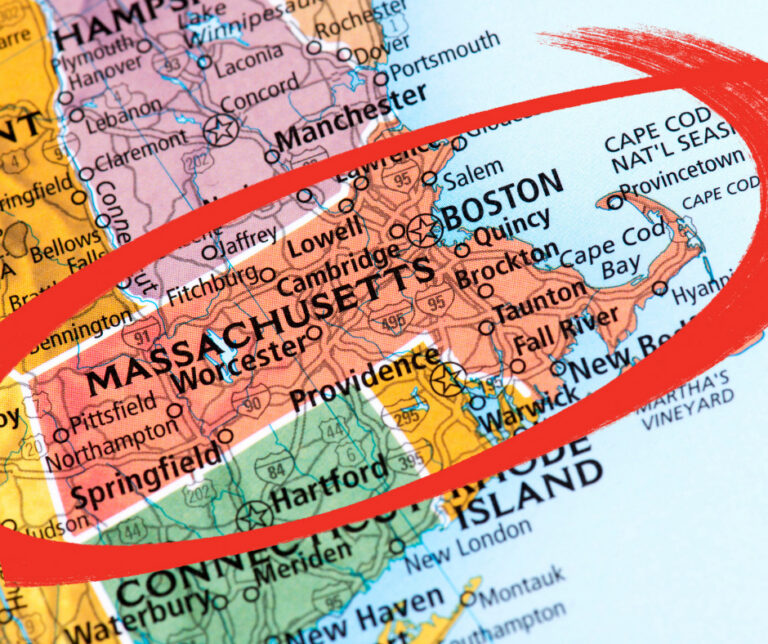
Initiate by familiarizing yourself with the various roofing materials available in Massachusetts and their average lifespans. Explore materials such as asphalt shingles, metal roofing, wood shingles, and slate to establish a baseline understanding.
Step 2: Assess Your Current Roof Condition
Examine your current roofing to identify its material and gauge its remaining lifespan. Look for signs of wear and tear that could indicate it’s nearing the end of its effective life.
Step 3: Research Local Climate Impact
Delve into how the Massachusetts fall climate affects different roofing materials. Pay particular attention to local weather patterns like snow, rain, and temperature fluctuations.
Step 4: Consider Maintenance Routines
Gather information on proper maintenance practices for each material type, understanding that consistent upkeep can significantly extend the roof’s lifespan.
Step 5: Calculate Long-Term Costs
Compare the longevity of each roofing material against its initial cost and ongoing maintenance expenses to figure the most cost-effective option over time.
Step 6: Explore Durable Roofing Solutions
Investigate more durable alternatives that can withstand the harsh New England weather, such as metal or slate, for a longer-lasting roofing solution.
Step 7: Make an Informed Decision
Synthesize the information on lifespan, climate effects, and maintenance to choose the materials best suited for your home and financial plan.
Step 8: Plan for Inspection and Replacement
As the current roofing material approaches the end of its lifespan, schedule a professional inspection to confirm its condition and plan for timely replacement if necessary.
Avoiding Common Roof Maintenance Mistakes
In the world of DIY roof maintenance and repair, it’s not just about what you do but also what you avoid doing. A misstep can lead to further damage, unnecessary costs, or even personal injury. Knowing common pitfalls can guide homeowners in Massachusetts toward a sound and safe approach to extend the lifespan of their roofing materials with confidence and care.
Mistake 1: Neglecting Regular Inspections
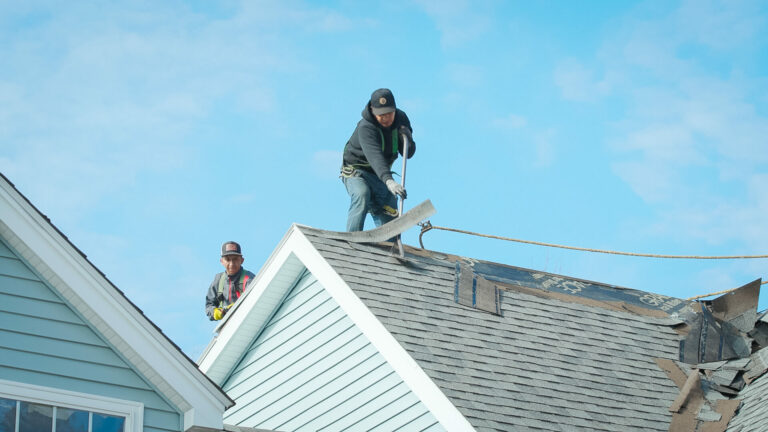
Many homeowners wait until they notice a leak inside before checking their roof. By then, significant damage may have already occurred. To avoid this, perform regular inspections, especially after the harsh winter and during the fall to assess and address any damage early on.
Mistake 2: Ignoring Local Climate Impacts
Ignoring the specific challenges Massachusetts’s climate presents is a common oversight. Snow and ice can be particularly taxing on roofing materials, leading to issues like ice dams and material degradation. Understand how local weather patterns affect different materials and inspect accordingly to prevent climate-related damages.
Mistake 3: Overlooking Proper Maintenance Routinestrong>
DIY roofers often underestimate the importance of continual maintenance. Things like cleaning gutters and checking flashing help maintain a roof’s integrity. Regular maintenance, tailored to the roofing material, can vastly extend its lifespan and prevent larger problems from developing.
Mistake 4: Miscalculating Long-Term Costsstrong>
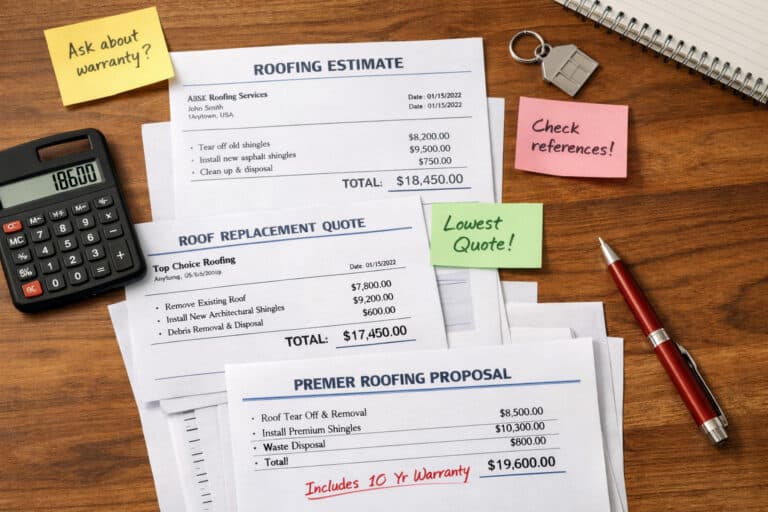
It’s easy to choose the cheapest repair option or roofing material without considering longevity and lifecycle costs. While initial cost savings are tempting, investing in more durable solutions and proper maintenance can be more cost-effective in the long run. Compare costs against lifespan and opt for more enduring, albeit pricier, materials and solutions that afford better long-term value.
Mistake 5: Postponing Professional Inspectionsstrong>
Many issues, especially with roofs at the tail end of their lifespan, are often subtle and difficult to detect without professional training. Homeowners may forgo professional evaluations due to perceived costs, but this can lead to missed early signs of failure. Schedule regular professional inspections to catch issues early, particularly as the roof ages, to plan repairs or replacement in a timely, budget-friendly manner.
Preparing for the Inevitable: Roof Inspection and Replacement
As roofs age, they inevitably cross a threshold where repair is no longer a sustainable option. In these moments, a thorough professional inspection can delineate the extent of wear and guide you toward the necessity of replacement. Taking preemptive action by scheduling an assessment with experts at Adam Quenneville’s roofing service can offer peace of mind and a clear plan forward.
Understanding that every roof has a unique journey towards its twilight will help homeowners recognize when to initiate replacement procedures. This decision should be made with consideration to the material’s predicted lifespan and its current performance in the face of Massachusetts’s seasonal extremes. A well-timed transition to a new roof can prevent the compounding of damage and expenses, thus securing the long-term health and aesthetics of your home.
Investing in Your Home’s Future with Quality Roofing
Making an informed decision on roofing materials and maintenance strategies is akin to sewing a tailor-made coat for your home, ensuring it gracefully endures the eclectic New England weather. Each choice, from the selection of material to the commitment to regular maintenance, serves as a stitch in the fabric of your home’s future. Trust in durable solutions like metal roofing or the timeless elegance of slate to provide benefits that extend beyond mere aesthetics.
By choosing high-quality materials and adhering to diligent maintenance habits, the lifespan of your roof becomes a testament to wise homeownership. Embracing the seasonal changes with the right roofing choice not only adds character to your home but also offers steadfast protection year-round. In the end, a roof that lasts is one of the smartest investments you can make for your property’s legacy.