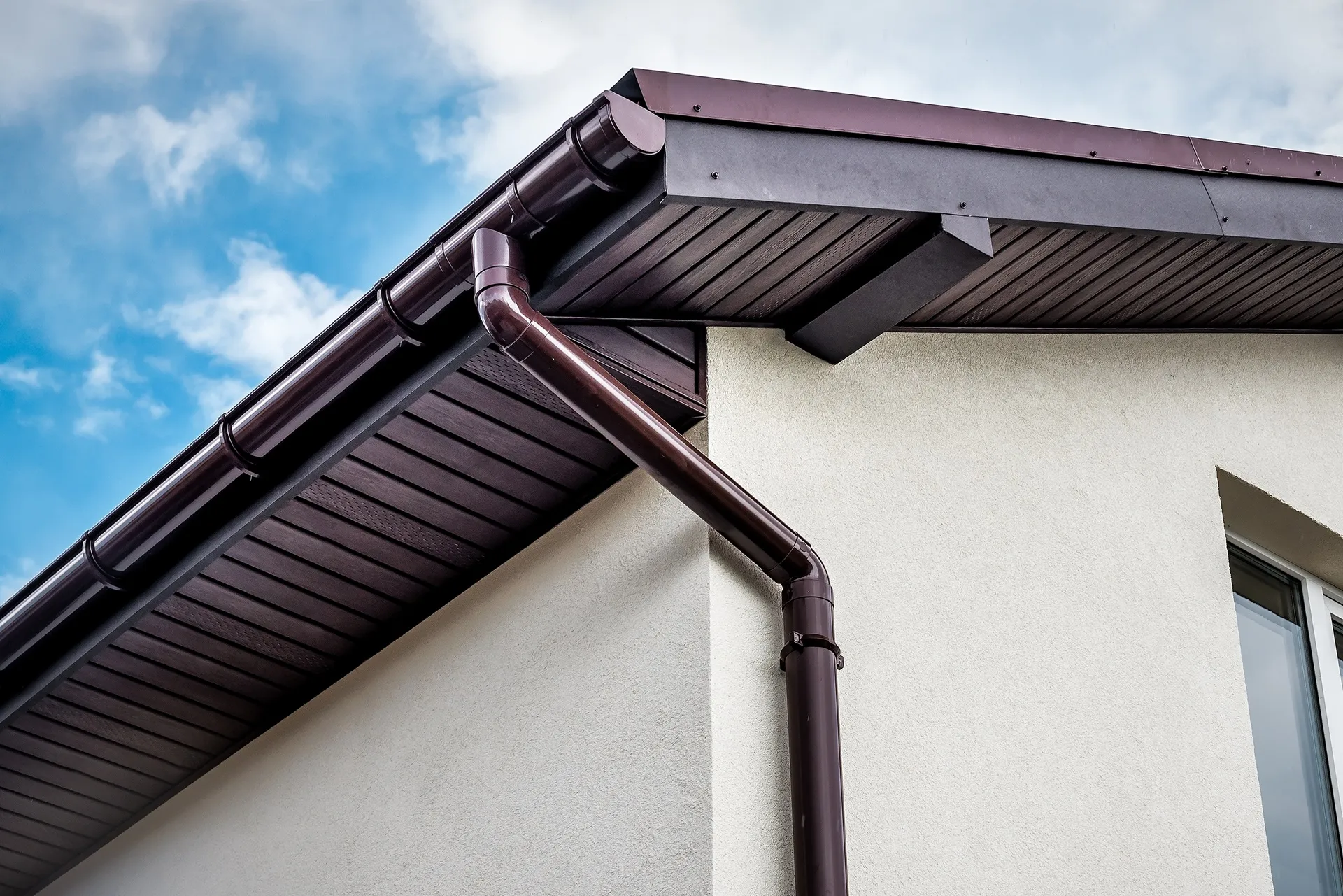
• Comprehensive guide on copper gutter installation capturing the process’s simplicity and elegance
• Essential tips for selecting the right tools and materials for a successful installation
• Importance of professional assistance highlighted, ensuring long-lasting quality and functionality
Identifying Signs That Your Gutters Need Attention
If you’ve noticed water pooling around your foundation or icicles forming along the edge of your roof, it’s time to take a closer look at your gutter system. These are classic indicators that your gutters are not managing stormwater efficiently, which is particularly concerning as Maine’s fall season approaches. Proper gutter function is vital in this region, where the weight of autumn leaves and heavy rainfall can contribute to water-related damages. Assessing the current performance of your gutters should be your initial step before contemplating the copper gutter installation process.
Are Your Gutters Up to the Task?
Observe the overall condition of your gutters; signs of rust, cracks, or sagging are tell-tale warnings that they may be nearing the end of their service life. These symptoms suggest not only an aesthetic downgrade but also potential risk to structural integrity, as ineffective gutters can lead to water infiltration in your home. Additionally, any noted seam separation or detachment from the house can exacerbate the issue, making immediate action imperative. In such cases, proactive steps towards planning for new, durable copper gutters are crucial as the inclement weather sets in.
Selecting the Right Design for Your Home
Choosing the right gutter style is not only about improving your home’s functionality; it’s about enhancing its appearance too. With the diverse architectural styles found throughout Maine, from historic farmhouses to modern cottages, it’s important to select a gutter style that complements your home aesthetically. Copper gutters offer a range of profiles, from traditional half-round to more contemporary K-style, which can both accentuate the beauty of your home and stand up to Maine’s harsh seasonal weather. Proper style selection also sets the stage for efficient water channeling, ensuring your home remains secure and visually appealing.
Planning for Copper Gutter Installation
Before the hands-on work begins, thorough planning is paramount for a successful copper gutter installation. This involves evaluating your home’s roofline to determine the amount of guttering needed, as well as the placement of downspouts for optimal performance. A carefully considered layout is not just a blueprint for installation; it’s a strategy to ensure that the end result is both effective in protecting your home and aesthetically pleasing. An integral part of the planning phase is taking precise measurements, considering the slope, and acknowledging any unique architectural features of your domicile that could influence gutter placement.
Securing the Right Materials and Tools for the Job
Securing the correct amount of materials and the proper tools are essential steps that precede the physical installation of your new gutters. You’ll need to calculate the length of guttering required, and account for additional components like corner pieces, end caps, and downspout sections. Gather your tools and materials in advance to avoid interruptions, ensuring a smooth installation process – a proactive measure that can save time and prevent inconvenience. For expert guidance and supplies, consider contacting a professional service which can provide insights and resources tailored to Maine’s climatic demands.
Step 1: Assess Your Home’s Needs
Consider the architecture of your Maine home and the typical fall weather patterns. Identify the areas where copper gutters would be most beneficial in channeling water away effectively.
Step 2: Choose Your Copper Gutter Style
Research different copper gutter profiles and sizes that suit your home’s aesthetic and functional requirements. Look into half-round and K-style gutters to determine which complements your house.
Step 3: Plan the Layout
Sketch a layout of your roofline, noting downspout positions and ensuring proper slope for efficient water flow. This step is essential for effective copper gutter installation.
Step 4: Calculate Materials Needed
Based on your layout, calculate the length of copper gutters, number of downspouts, corners, end caps, and other accessories needed for the installation.
Step 5: Remove Existing Gutters
Safely remove any existing guttering system, making sure to dispose of old materials responsibly and preparing the fascia for the new copper gutters.
Step 6: Install Gutter Brackets
Install gutter brackets at appropriate intervals along the roofline, typically every 24 to 36 inches, to provide adequate support for the weight of the copper gutters.
Step 7: Fit the Copper Gutters
Carefully fit the copper gutters onto the brackets, ensuring they are secure and have the proper slope towards the downspouts to encourage optimal water flow.
Step 8: Install Downspouts and Final Touches
Attach downspouts at predetermined locations, checking that they direct water away from your home’s foundation. Finish off by sealing any joints to prevent leaks and by conducting a thorough inspection.
Avoiding Common DIY Gutter Installation Mistakes
Embarking on a DIY copper gutter installation project can be both rewarding and challenging. It’s important to approach this task equipped with the right knowledge to avoid common pitfalls that could turn your hard work into a headache. Awareness of common errors ensures your gutters are not only visually appealing but also functional when the rainy season in Maine sets in.
Mistake 1: Incorrect Assessment of Needs
Frequently, homeowners fail to consider the specific requirements of their property. It’s crucial to understand the architecture of your home and observe typical weather patterns to determine where gutters are most needed. To avoid this mistake, take time to inspect your home and consider consulting with a professional if unsure.
Mistake 2: Choosing the Wrong Gutter Style
Selecting a style that doesn’t match your home’s needs or aesthetic can be a costly error. While appearance matters, so does functionality, and opting for a style that’s not suited for Maine’s seasonal challenges may lead to problems down the line. To prevent this, investigate different copper gutter profiles and sizes, and choose one that fits both the function and look of your home.
Mistake 3: Improper Layout Planning
A lack of proper planning can result in inefficient water flow and potential damage to the structure. It’s imperative to sketch a layout that ensures a proper slope and places downspouts in strategic positions to handle the water load. Avoid this mistake by spending ample time on the planning stage and making adjustments as needed.
Mistake 4: Inadequate Calculation of Materials
Underestimating or overestimating the materials needed for installation can lead to unnecessary expense or project delays. Calculate the exact length of copper gutters, and account for all additional components like corners and end caps. Thorough measurement and a detailed list of materials will help sidestep this error.
Mistake 5: Improper Removal of Existing Gutters
Rushing through the removal of old gutters can cause damage to your fascia and eaves. Take care when removing existing gutters, dispose of materials properly, and prepare the area for new installation with caution. This careful approach can save you from costly repairs later on.
Mistake 6: Incorrect Gutter Bracket Installation
Gutter brackets provide the necessary support to your copper gutter system. Incorrect spacing or installation can result in a system that’s prone to sagging or separation. Make sure brackets are installed at proper intervals and are well-secured to the fascia to maintain the integrity of your guttering.
Mistake 7: Failing to Fit Gutters Securely
Loosely fitted gutters can compromise the effectiveness of your water drainage. When installing copper gutters onto the brackets, ensure they are firmly secured and maintain a consistent slope towards the downspouts. This precision will ensure optimal water flow and prevent future issues.
Mistake 8: Neglecting Final Inspections and Adjustments
It’s a common oversight to skip the final checks once the main installation seems complete. Attaching downspouts and sealing joints with meticulous care will prevent leaks and solidify the performance of your gutter system. A thorough post-installation review is crucial for a job well done and should not be overlooked.
Executing the Copper Gutter Installation
The physical installation begins with careful removal of your old gutters. This is a critical step to prepare the fascia for the new copper gutters and to ensure that your home’s exterior is not compromised during the process. Taking care during removal can prevent unnecessary damage and set the stage for a smooth installation of your new, high-quality gutters.
Ensuring Stable and Secure Gutter Placement
Once the old system is removed, installation of the new brackets is next. These brackets are the foundation that will hold your copper gutters in place, so securing them properly is non-negotiable. Ensuring correct spacing and angle will guarantee that your gutters not only function effectively but also enhance your home’s exterior appearance and value. For those who feel less confident in DIY projects, it’s worthwhile to seek professional help to ensure the job is done right.