
• Discover how to identify when your roof needs replacing and what factors to consider before starting the project.
• Follow a detailed guide on selecting the right materials for Maine’s climate and step-by-step instructions on replacing your roof.
• Learn about common DIY roofing mistakes to avoid and the advantages of seeking professional help for guaranteed success.
Recognizing the Need for a New Roof
Your roof is the frontline defender of your home, shielding you from the unpredictable Maine weather. Over time, it can show signs of strain and damage that hint at the need for a replacement. Look out for curled or missing shingles, as these can indicate deeper, underlying issues. It’s also worth checking for light entering your attic, which points to potential vulnerabilities in your roof’s structure.
Awareness of your roof’s age can guide your assessment; most roofs will require replacement after 20 to 25 years, especially in regions with harsh climatic conditions. Keep an eye out for an excessive amount of shingle granules in your gutters, as this is a tell-tale sign of advanced wear. Visible sagging or the presence of moss and algae growth should also raise a red flag. These can be symptoms of trapped moisture and could potentially lead to more significant structural problems.
Ideally, inspections should be more frequent post-storm, given Maine’s tendency for volatile summer weather. If your ceilings show signs of water damage, or if you notice a spike in your energy bills, it could be time to consider a roof replacement. It’s not all about the shingles – don’t forget to inspect seals around vents and chimneys, as compromised areas here can spell trouble. Taking action at the first signs of damage can save you from costly repairs down the line.
Choosing the Right Materials for Your Location
The selection of materials for your roof replacement is influenced greatly by the local Maine climate. For instance, asphalt shingles are popular for their versatility and affordability, but metal roofing could be more durable against snow and hail. Whatever the choice, it should cater to both the performance needs and the architectural style of your home.
Getting Ready for the Big Job
Preparation is key in the journey to a new roof. Gathering the right tools, ensuring you have sufficient protective equipment, and preparing the area around your house prevents accidents and speeds up the process. Securing ladders, setting up scaffolding, and using tarps will make the removal of the old roof safer and easier.
The Removal Process: Stripping the Old Roof
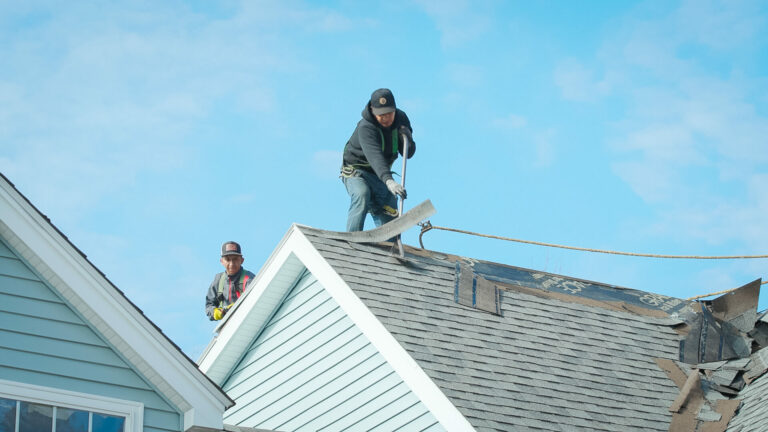
Starting the removal of your old roof involves a methodical approach to avoid damaging your home’s structure. Begin at the peak or edge of the roof, working your way down, and systematically remove the shingles. A roofing fork or a shingle remover will be your best tools for this task, allowing you to lift and dispose of the old materials. Ensure proper disposal by renting a dumpster, as leaving old materials around can pose safety risks and attract pests.
Once the surface is clear, a thorough inspection of the wooden sheathing underneath is crucial. Look for any signs of rot, water damage, or structural wear that could undermine the integrity of your new roof. If damages are discovered, address these areas immediately by replacing the affected wood panels. An expert roofing team can provide invaluable assistance if you’re unsure about this step.
Preparing the Deck for Your New Roof
After stripping the old roofing materials, focus on preparing the roof deck—this forms the foundation for your new roof. Clean off any leftover nails or debris to ensure a smooth surface, which is essential for properly laying the new underlayment and shingles. The deck must be completely dry; moisture can cause future issues such as mold growth or wood rot. If needed, installing a water barrier before the underlayment can offer additional protection against Maine’s summer rainstorms.
With the underlayment in place, you’ll be ready to begin the process of installing new roofing material. Whether you’re opting for traditional asphalt shingles or considering the benefits of metal roofing, ensuring proper alignment and secure fastening is key. Incorrect installation can lead to leaks or blow-offs during intense summer storms, so take the time to double-check each layer. If you’re ever in doubt, don’t hesitate to seek guidance from experienced professionals who are well-versed in local roofing challenges.
Step 1: Assess Your Roof Condition
Before starting any work, evaluate the current state of your roof. Check for any widespread damage or wear that indicates the need for a complete replacement. This includes inspecting shingles, the roof’s structure, and potential leaks.
Step 2: Choose Appropriate Materials
Depending on your home’s needs and the local climate in Maine, select the right roofing materials. Consider factors like durability, energy efficiency, and aesthetics—the typical choices involve asphalt shingles, metal, or tiles.
Step 3: Prepare for Replacement
Before you start, you need to get your workspace ready. This includes gathering tools, setting up ladders or scaffolding, and protecting the surrounding area with tarps to catch debris.
Step 4: Remove Old Roofing
Carefully strip the old roofing material using a roofing fork or shingle remover. Dispose of the old materials responsibly and inspect the wooden sheathing beneath for any signs of damage.
Step 5: Repair the Roof Deck
If you discover any issues with the sheathing, such as rot or structural weakness, address these before proceeding. Replace any damaged wood and ensure the surface is flat and stable.
Step 6: Install Underlayment
Roll out and secure a layer of roofing underlayment over the entire roof deck. This water-resistant or waterproof barrier provides additional protection against the elements.
Step 7: Lay New Shingles or Roofing Material
Starting at the bottom edge of the roof, begin laying your new shingles or chosen roofing material. Ensure they overlap properly to create an effective barrier against water.
Step 8: Final Touches and Clean-up
After all the new materials are in place, add any finishing touches like ridge caps or flashing. Then, clean up all tools and debris. Inspect your work to ensure everything is secure and effectively sealed.
Common Mistakes to Avoid During Roof Replacement
Embarking on a DIY roof replacement project can be a cost-effective solution, but even the most diligent homeowners can fall prey to common pitfalls. These errors can compromise the integrity of your roof and may lead to additional expenses or the need for professional intervention. Let’s walk through frequent missteps to keep your project on track and ensure the safety and longevity of your new roof.
Mistake 1: Inadequate Assessment of Roof Damage
Many DIYers underestimate the extent of damage, leading to partial fixes that don’t address underlying issues. Ensure a thorough inspection for signs like sagging or structural damage that could reveal the need for more extensive repairs. Skipping this step can result in additional, costlier problems later on.
Mistake 2: Choosing Incorrect Roofing Materials
Selecting materials that aren’t suitable for Maine’s climate can lead to premature wear and failure. Asphalt shingles might be inexpensive, but metal roofing might fare better against heavy snow and rain. Research and choose materials based on durability, energy efficiency, and local weather patterns to avoid unnecessary replacements.
Mistake 3: Poor Preparation
Failing to adequately prepare the work area can result in accidents and additional damage to your property. Ensure that you have the right tools and safety equipment, and that the surrounding area is protected with tarps. Cutting corners in preparation can lead to injury and a more difficult working environment.
Mistake 4: Incorrect Removal and Disposal of Old Roofing
Improper removal of old materials can cause damage to the roof structure. Use the right tools and techniques to strip away old shingles without harming the underlying deck. Additionally, responsible disposal of old materials is necessary to comply with environmental regulations and maintain a safe workspace.
Mistake 5: Ignoring the Roof Deck’s Condition
Overlooking the need for repairs to the roof deck can undermine your new roof’s stability. Repair or replace any damaged sections of the sheathing to create a solid foundation for your new materials. This will help to prevent potential leaks and structural failures.
Mistake 6: Inadequate Underlayment Installation
An improperly installed underlayment can lead to leaks and water damage. This layer is critical for protection against the elements, so ensure it’s rolled out smoothly and secured properly over the roof deck. Skipping this step can cause moisture-related problems and affect your roof’s overall effectiveness.
Mistake 7: Shoddy Shingle Installation
Incorrectly installed shingles can be easily lifted by wind, leading to leaks. Pay attention to the manufacturer’s instructions for proper overlapping and nailing patterns. Hasty or careless installation can compromise the protective capability of your roof.
Mistake 8: Neglecting Final Inspections and Cleanup
Concluding your project without a meticulous inspection can miss potential issues that may arise later. Ensure that all materials are properly installed and secured, and then thoroughly clean the site of all tools and debris. A proper inspection and cleanup signify a job well done and reduce the risk of future complications.
Installing the New Roofing Material
When laying the new shingles, start from the bottom edge of the roof and work your way up. Overlap each shingle appropriately to ensure no water can penetrate the roof, using proper nailing techniques to secure them into place. Correct installation is crucial for the longevity of your roof, especially considering Maine’s heavy snowfall and summer rain.
Once all the shingles are in place, it’s important to focus on the details like installing ridge caps and flashing. These elements are essential for a watertight and finished look, and they protect the most vulnerable parts of your roof. If this process feels overwhelming, consulting with a skilled roofing specialist can help ensure everything is done correctly and efficiently.
The Finalization: Inspecting and Cleaning Up
After installation, take the time to inspect your work thoroughly, checking for any loose shingles or exposed nails. Clean up all tools and debris; a clean workspace not only looks professional but also prevents any leftover materials from causing accidents. An immaculate job site reflects the quality and diligence of your work, always a proud moment for any homeowner.
Your roof replacement project is now complete, giving you peace of mind and significantly enhancing your home’s protection and curb appeal. Remember, maintaining your roof through regular inspections and quick repairs can prolong its life and prevent future issues. With your new roof installed, you can enjoy the comfort and security of a job well done, knowing you’re prepared for whatever Maine’s seasons may bring.