
• Identifying signs of roof wear: Learn about the critical indicators that suggest it’s time for a roof shingle replacement.
• Step-by-step guide: Follow along an easy-to-understand process to correctly put shingles on your roof, with a focus on preparation, removal, and installation techniques.
• Avoiding common errors: Discover the typical mistakes made during DIY roofing projects and get tips on how to sidestep these pitfalls to ensure a successful outcome.
Identifying When It’s Time for a New Roof
As a homeowner, you may not always think about the condition of your roof, but it plays a pivotal role in protecting your home. Over time, exposure to adverse weather conditions can take a toll, making periodic inspections essential. Start by looking for missing shingles or those that are curling, cracking, or appearing worn out. These are clear signals that your roof’s integrity might be compromised, and further investigation is needed.
Consequences of Neglecting Roof Shingle Issues
Delay in addressing visible roof problems can lead to more complex and costly repairs. Water damage is a significant consequence of defective shingles, as moisture can infiltrate and weaken the underlying roof structure. Look for signs of water penetration in your attic or ceilings, as they are often indicators of a failing roof. Ensuring that these problematic shingles are dealt with promptly can save you from the stress of unexpected leaks during adverse weather conditions.
Preparing for a Roof Upgrade
Once you’ve discerned the need for new shingles, preparing your roof for the job is your first step. Start by clearing away debris and cleaning the area thoroughly. A clean surface will not only make your work safer but will also help you uncover any subtle issues, like small cracks or rot that could have been otherwise obscured. Before removing any old shingles, it’s crucial to ensure that the roof is dry to avoid slipping hazards and to provide the best conditions for installing new shingles.
Removing the Old to Make Way for the New
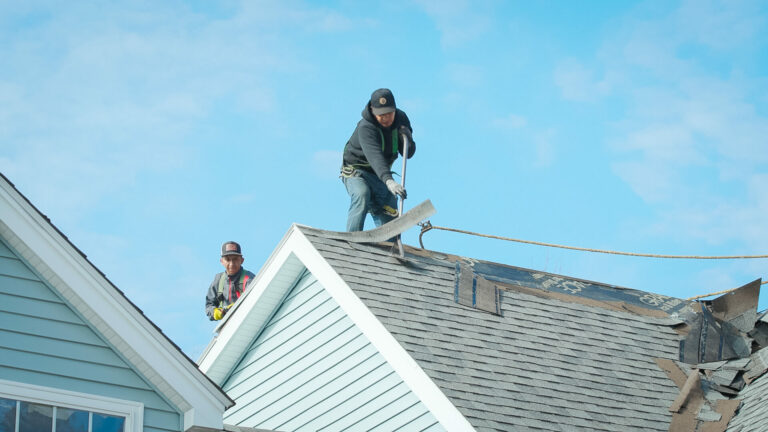
When undertaking a task as significant as re-shingling a roof, the adage ‘out with the old, in with the new’ holds particularly true. The removal of old shingles is more than a preparatory step; it is a chance to reveal issues that lurk underneath, like water damage or rot that you wouldn’t see otherwise. Arm yourself with a sturdy roofing shovel or a similar tool and begin at the peak, working your way down to strip off old layers. A cautious approach ensures you do not damage the roofing structure beneath, setting a smooth stage for new materials.
Ensuring a Solid Foundation
With old shingles out of the way, your attention shifts to what’s beneath: the roof deck. This is the moment to meticulously inspect for soft spots or damage, signs that might indicate underlying rot or structural weaknesses. After a thorough inspection, any necessary repairs become paramount, as they will carry the weight of your new roof for years to come. Notably, should you find extensive damage, seeking professional help from a reliable roofing service like Adam Quenneville Roofing becomes essential to ensure lasting quality and safety.
Step 1: Prepare Your Roofing Area
Before you begin, clear the roof surface of any debris, and ensure it is dry. This improves safety and helps you identify any areas that may need repair before you start laying new shingles.
Step 2: Remove Old Shingles
Carefully remove existing shingles using a roofing shovel or a similar tool. Start from the peak and work your way down, disposing of old materials responsibly.
Step 3: Inspect and Repair the Roof Deck
Check the roof deck for any damage or soft areas that could indicate rot. Make any necessary repairs to create a solid, stable base for your new shingles.
Step 4: Install Underlayment
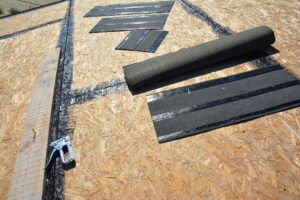
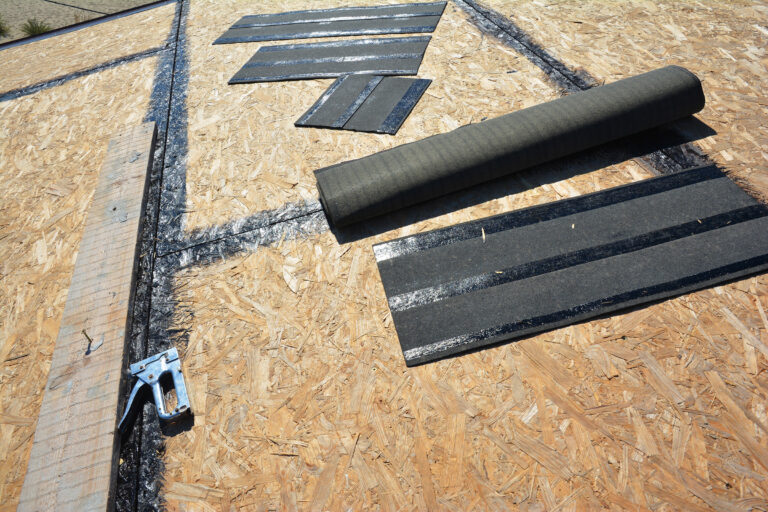
Roll out the roofing underlayment from the bottom edge of the roof up, nailing it in place as you go. This layer provides an extra barrier against water.
Step 5: Apply the Starter Strip
Place the starter strip along the bottom edge of the roof. These specialized shingles help ensure a strong bond and create a clean edge along the eaves.
Step 6: Lay the Shingles
Beginning at the bottom corner of the roof, lay your first shingle. Fasten it according to the manufacturer’s instructions, then continue laying shingles, overlapping each one as you move across and up the roof.
Step 7: Secure Flashing and Seal Vents
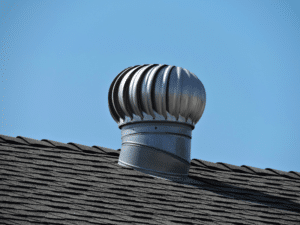
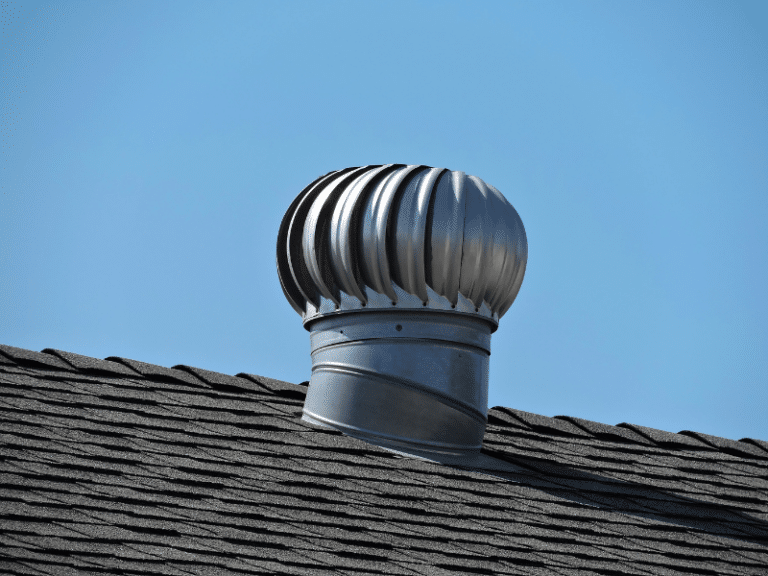
Install metal flashing around chimneys, vents, and where the roof meets a vertical surface. Seal around any roof penetrations with roofing cement to prevent leaks.
Step 8: Final Inspection and Cleanup
Once all the shingles are in place, perform a final inspection to ensure everything is secure and properly aligned. Clean up any leftover materials and tools, ensuring your work area is as tidy as when you started.
Common DIY Roofing Mistakes to Avoid
DIY roofing can be a rewarding project, but it’s also fraught with potential pitfalls. While taking the initiative to re-shingle your own roof can save money, common errors can lead to more significant issues down the line. Understanding these common missteps is essential for ensuring the longevity and performance of your new roof.
Mistake 1: Neglecting Safety Precautions
Safety should be your top priority. Not wearing proper safety gear or failing to secure your ladder are critical oversights. Always use a harness, wear non-slip shoes, and ensure your ladder is stable before starting your project.
Mistake 2: Inadequate Surface Preparation
Before laying new shingles, it’s vital to remove all debris and ensure the roof surface is completely dry. Overlooking this step can trap moisture, leading to mold or rot beneath your new shingles. Take the time to clear and dry the area thoroughly to avoid these issues.
Mistake 3: Poor Shingle Removal Practices
Start from the peak and work your way down when removing old shingles to avoid structural damage. Trying to remove shingles from the bottom up or in a haphazard manner can damage the roof deck, leading to costly repairs.
Mistake 4: Skipping the Roof Deck Inspection
Failure to inspect and repair the roof deck before installing new shingles can result in a compromised base. Addressing any soft spots or areas of rot is crucial for a stable and long-lasting roof. Look for signs of damage and make necessary repairs before proceeding.
Mistake 5: Incorrect Underlayment Installation
The underlayment is your roof’s secondary barrier against water. Improper installation, such as misaligning the layers or not securing them properly, can lead to leaks. Ensure the underlayment is rolled out straight and nailed down securely at the edges.
Mistake 6: Misaligned Starter Strip Placement
The starter strip protects the roof’s edges and prepares the surface for the rest of the shingles. Placing this strip incorrectly can compromise the roof’s integrity. Carefully line up the starter strip along the roof’s edge to guarantee a solid foundation for the shingle rows.
Mistake 7: Shingle Fastening Errors
Improperly nailed shingles can become loose or create leak points. Follow the manufacturer’s instructions for nail placement and depth. Use the correct number of nails per shingle and avoid piercing through the shingle surface.
Mistake 8: Overlooking Flashing and Seals Around Vents
Flashing directs water away from critical areas, while seals prevent leaks around vents and chimneys. Forgetting to check and replace damaged flashing or apply sufficient roofing cement can lead to leakage. Take the time to install flashing correctly and seal any gaps to prevent water ingress.
Mistake 9: Insufficient Final Cleanup and Inspection
Leaving debris or materials on your new roof can lead to damage over time. Not conducting a thorough final inspection might leave you unaware of potential issues. Dispose of all waste and perform a meticulous inspection to ensure the quality of your work.
By avoiding these mistakes and following the guide provided, you can confidently undertake the task of re-shingling your roof and enjoy the peace of mind that comes with a job well done.
Laying the Foundation for Your New Shingles
With a solid and secure roof deck in place, the next step is to begin the foundational work for your shingles by installing the underlayment. This critical barrier provides additional protection against moisture and helps extend the life of your roof. It’s essential to start from the bottom edge and meticulously roll out the underlayment to the top, fastening it securely to prevent any future slippage or exposure.
Establishing the First Line of Defense
The starter strip is akin to laying the cornerstone of a building; it sets the precedent for the entire roofing project. Carefully positioning the starter strip along the roof’s bottom edge not only aids in achieving a strong bond with the shingles but also creates a tidy perimeter around the eaves. It’s important to take your time with this step, as a properly installed starter strip can be the difference between a leaky or a watertight roof, something that experts at Adam Quenneville Residential Roofing know well.