
• Expert guide to identify when a new metal roof is needed
• Step-by-step instructions on installing a metal roof, tailored for New Hampshire’s climate
• Tips to avoid common installation mistakes and ensure a durable, efficient roofing upgrade
Identifying the Need for a New Roof
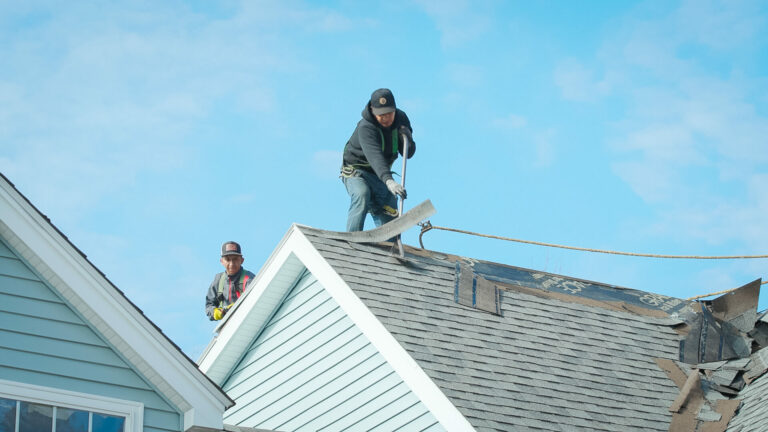
When the New Hampshire snow melts and the summer sun begins to shine, it’s the perfect time to inspect your roof for signs of wear and tear. Look for rusty areas or loose panels that could indicate it’s time for a new, durable metal roof. Leaks and water damage in your attic space or top floor ceilings are clear indicators that your current roof can’t withstand the region’s weather anymore. Before the harsh weather returns, it’s wise to consider a more resilient roofing solution for your home.
Determining Your Roof’s Lifespan
A metal roof is not just a protection against the elements; it’s an investment in your home’s future. If your roof has surpassed the typical lifespan of asphalt shingles, which is around 20 to 25 years, it is prudent to plan for an upgrade. Even without visible damage, aging roofs can start to falter under New Hampshire’s heavy snows and summer storms. Transitioning to a more robust roofing system now could prevent costly emergency repairs down the line.
Preparing for an Upgrade
While evaluating your roof for potential issues, also pay attention to sagging or uneven areas that could point to structural problems. It’s essential that your new roof, whether it’s aluminum, galvalume steel, or copper, has a solid foundation to lie on. A thorough assessment of your current roof’s condition will guide you through the next steps of choosing the appropriate materials and accurately measuring your roof for the installation process. Remember, the security and efficiency of your new metal roof rely heavily on the quality of its underlaying structure and careful installation.
Selecting the Ideal Material for Your Metal Roof
Choosing the right metal roofing material is a balancing act of cost, durability, and aesthetics. While aluminum is lightweight and resistant to corrosion, galvalume steel offers an ideal blend of affordability and longevity, which is particularly valuable in the fluctuating New Hampshire climate. Copper, with its distinctive appearance, can add unique character to your home but comes at a premium. It’s crucial to weigh these factors against your household needs and the architectural style of your property before making a selection.
Ensuring Accurate Roof Measurements
Accurate measurements are the foundation of a successful metal roof installation. Room for error is minimal, as excess materials can inflate costs, while a shortage could delay the project and leave your home vulnerable to weather damage. Taking into account overhangs and the slope of your roof will guarantee you purchase just enough material to cover your needs. You can learn more about precise measurement techniques and material estimates at Adam Quenneville’s metal roofing services to ensure a flawless execution of your roofing project.
Step 1: Choosing Your Metal Roofing Materials
Consider the climate of New Hampshire and the specific needs for your home. Select from materials like aluminum, galvalume steel, or copper based on their durability, energy efficiency, and aesthetic appeal.
Step 2: Measure Your Roof
Accurately measure the roof area to determine the amount of roofing material you will need. Remember to account for overhang and the slope of your roof to ensure proper coverage.
Step 3: Prepare the Roofing Surface
Ensure that your roof deck is clean, dry, and free of any old roofing materials. Install underlayment to create a barrier against water and ice, particularly important in the varied New Hampshire weather.
Step 4: Install Edging
Apply edging, or eave flashing, around the perimeter of the roof to protect the edge of the roof deck and direct rainwater away from the building.
Step 5: Lay Out the Metal Panels
Starting from the bottom edge of the roof, lay the panels with the larger edge overlapping the smaller. Fasten the panels using screws designed for metal roofing, and ensure they are properly spaced.
Step 6: Secure Metal Panels
Continue to align and secure the metal panels, working upward and ensuring that the panels are level and consistently overlapped. This methodical approach will result in a uniform look and a leak-proof finish.
Step 7: Install Flashing
Use flashing to seal areas around vents, chimney, and where roof planes intersect. This step is crucial for waterproofing your metal roof and protecting your home against the diverse summer weather of New Hampshire.
Step 8: Finishing Touches
Inspect the roof to make sure all panels are securely fastened and flashing is properly installed. Trim any excess material from the edges, and tidy up the work area by removing any debris and leftover materials.
Common DIY Pitfalls in Metal Roof Installation
Embarking on a DIY metal roof installation can be a rewarding challenge, but common missteps can turn it into a costly affair. These mistakes often stem from inexperience or oversight and can be easily avoided with the right knowledge and preparation. Understanding these pitfalls ensures your project in New Hampshire remains on track, delivering the durability and efficiency only a well-installed metal roof can provide.
Mistake 1: Incorrect Material Choice
Selecting materials without due consideration for the local climate can result in premature wear. In New Hampshire, where weather patterns can be harsh, the wrong choice like a metal that’s not rust-resistant can lead to damage. Prevent this mistake by opting for materials known for their durability in varied weather, such as galvalume steel or aluminum.
Mistake 2: Inaccurate Measurements
One of the most common slip-ups is miscalculating roof dimensions, resulting in inadequate material orders. Underestimating can lead to project delays, while overestimating increases costs unnecessarily. To avoid this, triple-check measurements and account for all features like overhangs and slopes.
Mistake 3: Neglecting Surface Preparation
A clean and well-prepared surface is crucial for the longevity of your metal roof. Skipping this step can hinder the roof’s performance and increase the risk of leaks. Ensure the decking is debris-free and that underlayment is properly installed to create an ideal base for your panels.
Mistake 4: Poor Edging Installation
Edging or eave flashing prevent water damage but often get improperly installed. Poor installation can cause water to seep, leading to damage within the structure. Properly align and secure edging to protect the roof’s perimeter effectively.
Mistake 5: Panel Misalignment
Metal panels must be laid out and fastened with precision. Incorrectly aligned panels not only disrupt the aesthetic but also compromise the roof’s waterproofing. Start from the bottom edge and work systematically upwards, ensuring each panel overlaps the one below correctly.
Mistake 6: Inadequate Securing of Panels
Panels that aren’t secured with the right fasteners or spacing can come loose. This can lead to water ingress and increased wind uplift. Use screws specifically designed for metal roofing and follow the manufacturer’s spacing guidelines.
Mistake 7: Skipping Flashing
Ineffective flashing installation can leave your home vulnerable to the elements. Applying flashing correctly around roof intersections, vents, and chimney is essential. Use manufacturer-recommended methods and products to seal these critical areas.
Mistake 8: Rushed Final Inspection
The last step is as crucial as the first; a rushed inspection can overlook minor errors that could escalate. After installation, scrutinize your work, checking all panels, flashings, and finishings. Any remaining debris or leftover materials should be cleared away to complete the job neatly.
Preparing the Roofing Surface
Getting your roof ready for a new installation is as important as the material you choose. Clean, dry, and stable are the three watchwords for your roof deck before any metal material is laid on top. Remove all previous roofing materials and make sure the deck is free from rot or damage, ensuring a secure foundation for your new roof.
Installing Edging to Protect Your Investment
Edging, or eave flashing, is vital to protect the perimeter of your roof from water intrusion. Install it carefully along the edges to fortify your home against New Hampshire’s rain and snow. For more information on edging and professional installation services, visit Adam Quenneville’s gutter services to help direct water away properly, prolonging the life of your metal roof.