
• Discover the simple steps to accurately measure your roof’s square footage, essential for repairs or renovations
• Learn how to consider roof pitch, shapes, and features to ensure your measurements are spot on
• Find out common measurement mistakes to avoid and why professional guidance from Adam Quenneville Roofing can save time and expenses
Recognizing When It’s Time for a Measure
Before you embark on the journey of measuring your roof’s square footage, it’s essential to identify why you might need to do so. Visible signs of wear or damage on your roof are clear indicators that repairs or a replacement may be imminent, thereby necessitating an understanding of the roof’s total area. Lingering water pools after rain or sightings of shingles in your yard are not just cosmetic issues but can lead to more severe structural challenges. These problematic signs are crucial alerts that prompt homeowners to take action and assess their roof’s condition accurately.
Knowing the precise square footage of your roof goes beyond mere curiosity; it is a critical step in proactive home maintenance. If you’re considering upgrading your home with solar panels or need to budget for upcoming renovations, an accurate measurement of your roof is the first step. But before the tape measure hits the shingle, ensure you’re looking out for mismatched shingles or sagging, as these might indicate underlying issues that could impact your calculations. Such irregularities might affect the measurement process, leading to potential inaccuracies in your final square footage assessment.
An accurate measurement of your roof is vital not only for material estimates but also for ensuring the longevity of your roof’s life. If you spot granules from shingles in gutters or notice discoloration, it’s time to consider whether your roof is in need of professional assessment or if you can tackle the task yourself. When preemptive measures like these are taken, homeowners stand a better chance at extending the lifespan of their roof and maintaining the integrity of their home. Preparing to measure your roof is thus not only about numbers but about understanding the health and needs of your home.
Gearing Up for Roof Measurement
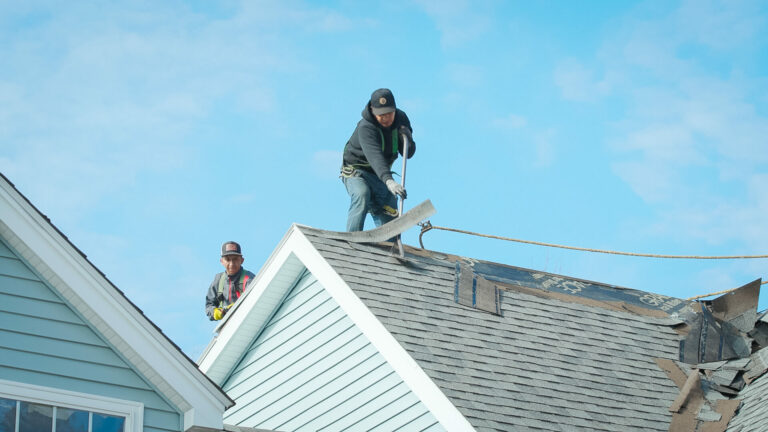
Before getting started with the actual measurement, it’s important to prioritize your safety and ensure you have all the necessary equipment. Wearing appropriate safety gear and using a well-maintained ladder are the first steps in preventing accidents. A good quality tape measure, a calculator, and a notepad are your indispensable companions for this task. Don’t underestimate the importance of precision during this phase; a small error can lead to significant inaccuracies.
Once your equipment checklist is complete, it’s time to focus on the measurement itself. Begin by measuring the length and width of each section of your roof, taking note of every detail. Remember to measure twice to confirm accuracy. If ever in doubt about the measurement process or if you encounter complex roofing styles, seek assistance from professional services such as Adam Quenneville, who can provide expert guidance and precision.
The Math Behind Your Roof
With your measurements in hand, proceed to calculating the area of each section. To do so, simply multiply the length by the width of each plane. This task, although seemingly straightforward, deserves a focused approach to avoid any potential miscalculations that could impact your project. Once all individual areas are calculated, add them together for the total square footage.
Taking into account the roof pitch is an essential step that should not be overlooked. A steeper pitch means more surface area and hence, more material needed—a crucial consideration for calculating expenses. Utilize a roofing calculator or consult with a roofing specialist if you need assistance in determining the correct pitch multiplier. With careful consideration to details and accurate calculations, you can confidently move forward in your roofing project.
Step 1: Understand the Basics of Roof Geometry
Learn about common roof shapes, such as gable, hip, and mansard, to better understand how to approach measuring your roof’s square footage accurately.
Step 2: Gather Your Tools and Safety Equipment
Ensure you have a tape measure, a sturdy ladder, a calculator, notepad, and proper safety gear like non-slip shoes and a safety harness.
Step 3: Measure the Length and Width of Each Roof Section
Climb up safely to your roof and measure the length and width of each plane or section of the roof, recording each on your notepad.
Step 4: Calculate the Area of Each Section
Multiply the length by the width of each section to calculate the square footage of that individual plane. Write down each result.
Step 5: Add Up the Areas of All Sections
Use your calculator to sum the area of each roof section to get the total square footage of your roof.
Step 6: Factor in the Roof Pitch
Identify your roof’s pitch, which is its slope, and apply a multiplier to account for this in the total square footage, since steeper roofs require more material.
Step 7: Include Overhangs and Roof Features
Measure any roof overhangs and features like dormers separately, as these will affect the amount of roofing material needed.
Step 8: Review and Total Up Your Measurements
Double-check your measurements and calculations to ensure accuracy. Add any separately measured areas, like overhangs and dormers, to your total square footage to get the final figure.
Avoiding Common Measurement Mistakes
Although calculating roof square footage seems straightforward, common pitfalls can lead to costly errors in your project. Mistakes made during DIY roof measurement not only affect your wallet but also the outcome of your roofing job. Understanding and preventing these errors will help ensure your calculations are precise and your roofing materials are correct.
Mistake 1: Ignoring the Roof’s Slope
– Homeowners often mistake the sloped surface for a flat area when measuring, leading to an underestimation of the required materials. Always remember that the steeper the roof, the greater the surface area you’ll need to cover. Using a pitch multiplier that corresponds to your roof’s slope will help avoid this error.
Mistake 2: Overlooking Complex Roof Features
– It’s easy to forget to measure the dimensions of dormers, valleys, and chimneys. However, failing to account for these can significantly alter your square footage calculations. Be meticulous in measuring each unique element, and include their footprints in your total area.
Mistake 3: Unsafe Measurement Practices
– Safety should be your priority during a DIY project, particularly when heights are involved. Using an unstable ladder or not wearing proper safety gear can lead to severe injury. Double-check your equipment’s stability and wear anti-slip shoes and a harness to ensure a safe measuring experience.
Mistake 4: Using Incorrect Tools
– Attempting to measure your roof with unsuitable equipment will prompt inaccuracies. For instance, using a short ruler instead of a long tape measure could lead to errors in calculation. Invest in a quality tape measure that can securely extend across the length and width of your roof planes.
By dodging these frequent DIY blunders, you can guarantee your measurements—and by extension, your roofing project—are on the right track. Remember, accuracy and safety are paramount; don’t hesitate to call in a professional, like Adam Quenneville Roofing, if you’re unsure about any part of the process.
Accounting for Additional Roof Considerations
After summing up the areas of all straightforward sections, don’t forget to include the complexities of your roof that also consume materials. Elements like dormers, chimneys, and valleys require additional calculations due to their unique shapes. Careful measurement of these features ensures your total square footage is comprehensive, preventing shortages when purchasing materials or planning projects.
Every inch of overhang should also be included in your calculations as they contribute to the total coverage area of your roof. Overhangs provide essential protection for your home’s foundation by directing water away from the base. It’s these detailed inclusions that refine your measurements, and for specialized features, consulting an expert provider such as Adam Quenneville Roofing is advised for a meticulous evaluation.
Double-Checking Your Work
The final step in calculating your roof’s square footage is to review all measurements and calculations. Errors here could lead to under or overestimating material needs, impacting budget and project success. This step is crucial; take the time to validate each figure and, if in doubt, measure again for accuracy.
Combining all parts, including additional roof features, overhangs, and calculating for pitch, affords you the truest representation of your roof’s needs. Such diligence in the measuring process instills confidence that your project is based on solid ground—or, in this case, a solid roof. If you require a helping hand or a second pair of eyes, enlisting professional services can ensure precision, offering peace of mind as you move forward with your roofing project.