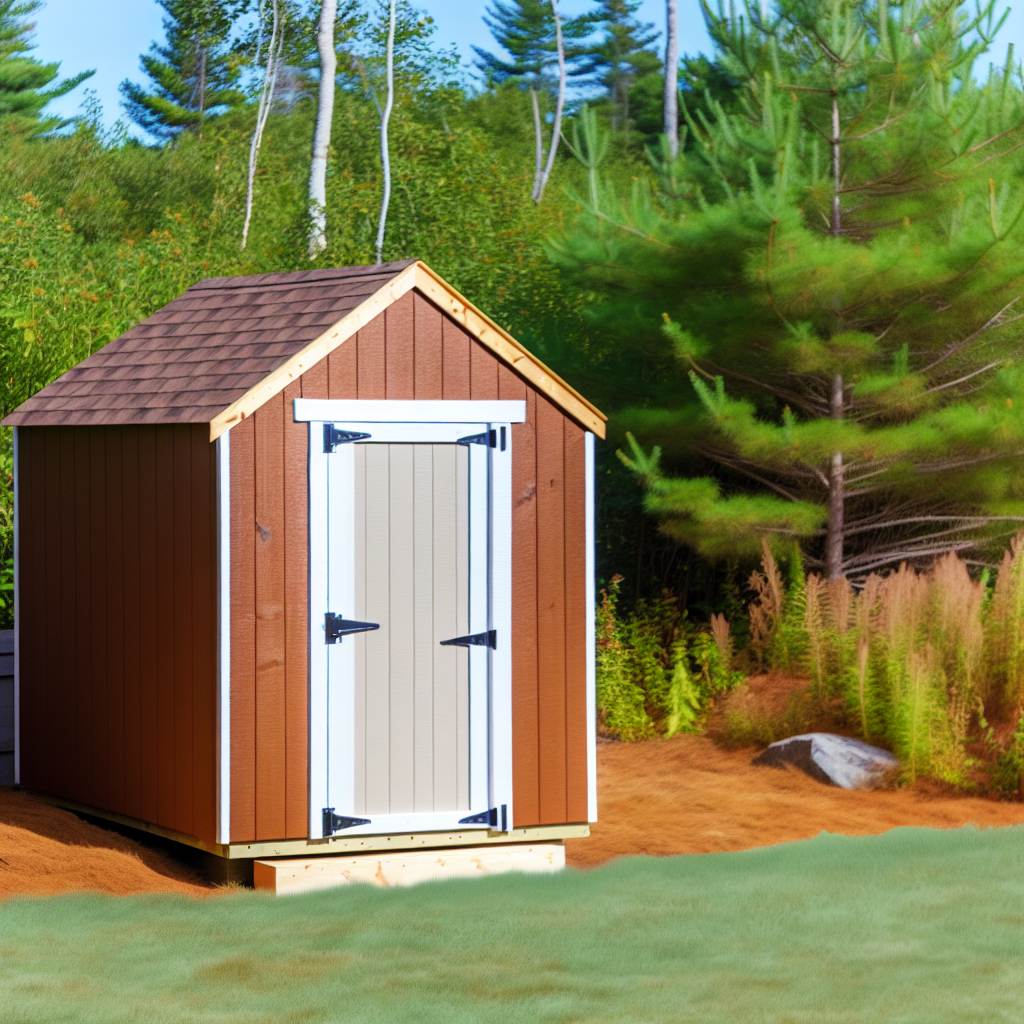
• Step-by-step guide on building a shed roof, tailored for Maine’s summer weather
• Expert tips to avoid common DIY roofing errors, ensuring a durable and functional outcome
• Essential maintenance advice for the longevity of your shed roof, with professional insights
Recognizing When It’s Time for a Change
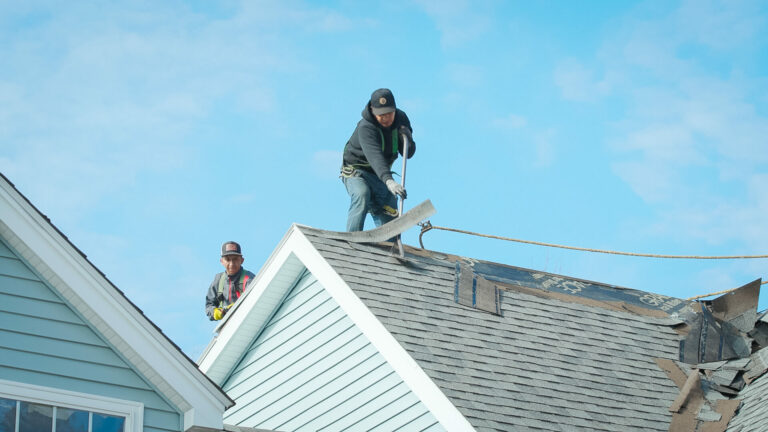
Embarking on the project of how to build a shed roof starts with acknowledging the signs that your current roof is no longer up to par. You may notice shingles that are curling, buckling, or altogether missing, which are clear indicators that your shed’s defense against the elements is compromised. In the vibrant summer sun of Maine, these flaws become not only more apparent but can also worsen due to the heat. If the shed interior exhibits spots of daylight or water stains, it’s a telltale sign that the roof’s integrity has been breached.
Another critical concern is the condition of the roofing frame itself. Over time, the weight of snowfall and the onslaught of summer storms can cause the wooden frame to sag or rot, particularly if not constructed with weather-resistant materials. The sturdiness of the structure is paramount; should you observe any structural deformation, prompt action is necessary to prevent further damage. Maine’s summer climate doesn’t spare any mercy on weak structures, so ensuring a solid foundation is key to a lasting renovation.
Lastly, examine the overall design and functionality of your existing roof. Does it allow for efficient water runoff, or are there areas where water pools and leads to potential leakage? The design should also aesthetically complement your Maine property while fulfilling its practical purpose. Before picking up a hammer or purchasing supplies, take these considerations into account, as they will guide your selection of roof design and materials, setting the stage for a successful build that marries form with function.
Planning Your Shed Roof Project
Prior to commencing your shed roof build, a well-thought-out plan is your blueprint to success. It begins with choosing the right style and materials that will not only enhance the aesthetic appeal but also stand strong against the changing Maine seasons. From the gabled to gambrel, each roof design has its specific advantages and fits different needs—whether it’s maximizing headroom or optimizing water drainage. It’s crucial to decide on a design that caters to your preferences, while also aligning with the functional needs of your property.
Following the decision on design, the next step is assembling the necessary materials. High-quality lumber and durable roofing felt are just starting points for gathering your supplies. Consider the local weather conditions—Maine summers require materials that can endure not only the warmth but also the anticipation of the winter freeze. Secure materials that boast longevity and stand as a testament to Maine’s hardy spirit, ensuring your shed roof can bear the brunt of sun, rain, and snow with equal resolve.
Executing Your Build with Precision
The real work kicks off when you lay down the wood decking over the rafters, forming the foundation of your roofing material. Consistency in alignment and security is non-negotiable as you affix everything with nails or screws. Precision at this stage is the bedrock of a leak-proof, weather-resistant roof; one that safeguards the contents of your shed and withstands the direct sunlight and precipitation the season brings. Maine’s summer shocks—sudden storms and bouts of rain—will test the mettle of your craftsmanship, making thoroughness pivotal.
A layer of roofing felt comes next, providing that extra barrier against the whims of Maine’s climate. By not skimping on coverage and ensuring overlaps and secure fastening, you fortify your defense against the elements. The shingles, when applied starting from the bottom edge and moving upwards, must overlap to secure a waterproof seal. Each step, from the ripple of a shingle to the crest of the ridge, should echo the care and meticulous nature that defines Maine’s spirit of resilience against nature’s diverse expressions.
Step 1: Choose Your Shed Roof Style
Begin by selecting the right shed roof design based on your aesthetic preference, the intended use of the shed, and how it complements the existing structures around it. Consider the typical snow load and rainfall in Maine during summer, as these factors will influence your choice of roof style for durability.
Step 2: Gather Your Materials
Compile a list of materials you’ll need, such as roofing felt, shingles, nails, and lumber. Select materials suitable for the Maine summer climate that can also withstand the harsher winter conditions, ensuring longevity for your shed roof.
Step 3: Build the Roof Frame
Construct the frame for your shed roof, starting with the rafters. Use pressure-treated lumber for added resistance to moisture and decay. The frame should support the weight of the roof and any additional load it might carry.
Step 4: Install the Decking
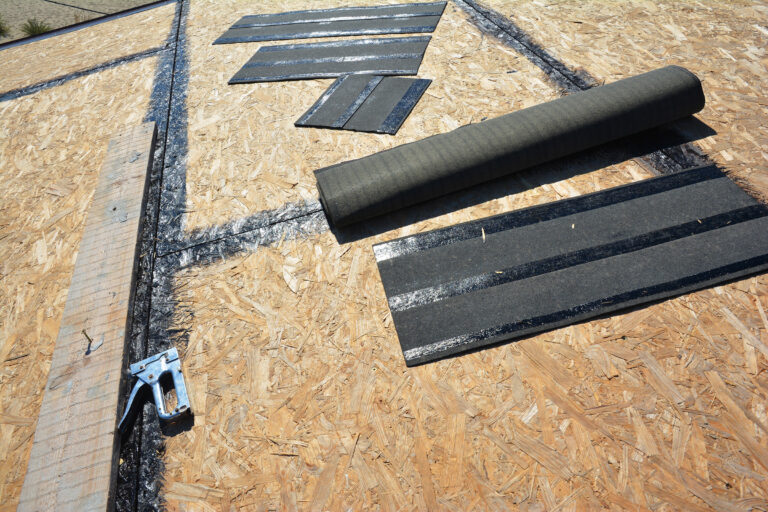
Lay down a solid wood decking over the rafters to create the foundation for your roofing material. Ensure proper alignment and secure it with appropriate nails or screws, paying close attention to the manufacturer’s recommendations.
Step 5: Apply Roofing Felt
Roll out roofing felt across the decking for an extra layer of protection against the elements. The felt should overlap for full coverage, and be secured firmly, prepped and ready for shingling.
Step 6: Attach the Shingles
Starting from the bottom edge, attach each row of shingles, ensuring each one overlaps the row below it. This is essential for waterproofing your shed roof. Cut and fit the shingles around the edges and ridge cap for a finished look.
Step 7: Seal and Weatherproof
Use a sealant along the edges and anywhere the shingles meet another surface, like the ridge or a wall. This step is particularly critical to prevent water damage during Maine’s frequent summer rainstorms.
Step 8: Inspect and Maintain
Once the construction is finished, inspect the roof for any gaps or areas that may need additional sealing. Regular maintenance includes checking for damaged shingles and reapplying sealant as needed to ensure the roof remains watertight and functional.
Avoiding Common Pitfalls in Shed Roof Construction
While building a shed roof may seem like a straightforward task, certain missteps can lead to long-term problems and added expense. Understanding these pitfalls can save you time and ensure your shed stands strong against Maine’s dynamic seasons. Here are some of the most common mistakes to avoid during your DIY shed roof project.
- Mistake 1: Ignoring Local Weather Conditions
– When choosing your shed roof style, neglecting to consider Maine’s summer climate and snow load can be detrimental.
– To prevent this, evaluate the local weather patterns and select a roof design and materials that can withstand these conditions. - Mistake 2: Choosing Low-Quality Materials
– It might be tempting to save money by opting for cheaper materials, but this can lead to a less durable roof that requires frequent repairs.
– Invest in high-quality materials that are known to resist Maine’s environmental challenges, ensuring the longevity of your shed. - Mistake 3: Inadequate Framing
– A common error is underestimating the importance of a sturdy frame, which can lead to structural failure, especially under heavy snow.
– Use robust, pressure-treated lumber and follow exact specifications for a frame that adequately supports the roof’s weight. - Mistake 4: Poor Decking Installation
– Improperly installed decking can result in misalignment or loose materials, compromising the roof’s integrity.
– Carefully align and securely fasten the decking to the rafters, adhering to guidelines for a solid, enduring foundation. - Mistake 5: Overlapping Roofing Felt Incorrectly
– The incorrect overlap of roofing felt can lead to leaks and water damage.
– Ensure that each layer of felt overlaps thoroughly and is securely fastened to protect against Maine’s rain and snow. - Mistake 6: Shingle Misapplication
– Shingles need to be laid with precision; a lack of proper overlap is a frequent cause of leaks.
– Start from the bottom and ensure that each shingle properly overlaps the one below for a watertight seal. - Mistake 7: Inadequate Sealing
– Failing to seal the roof’s edges and where the shingles meet other surfaces can create vulnerabilities.
– Apply sealant meticulously, especially in areas prone to water entry, to guard against the typical summer rains of Maine. - Mistake 8: Skipping Regular Inspections
– A new shed roof can still suffer wear; neglecting regular inspections and maintenance can lead to surprises.
– Periodically inspect your roof, particularly after severe weather events, to ensure its lasting functionality.
Protecting Your Investment
Sealing and weatherproofing your shed roof is not a step to be overlooked in the unpredictable climate of Maine. Properly applied sealant along the edges and junctions serves as a guardian against water ingress, preserving your hard work for seasons to come. With the right gutters in place, you ensure efficient water management, guarding the structure from the potential damage of pooling and stagnation.
Long-Term Care and Maintenance
After you’ve finished building, a thorough inspection is crucial to identify any areas in need of extra sealing. Checking for damaged shingles and maintaining the sealant is essential to uphold the roof’s integrity through the rhythms of Maine’s weather. Regular maintenance not only prolongs the life of your shed roof but also keeps it looking pristine amidst the backdrop of your Maine landscape.