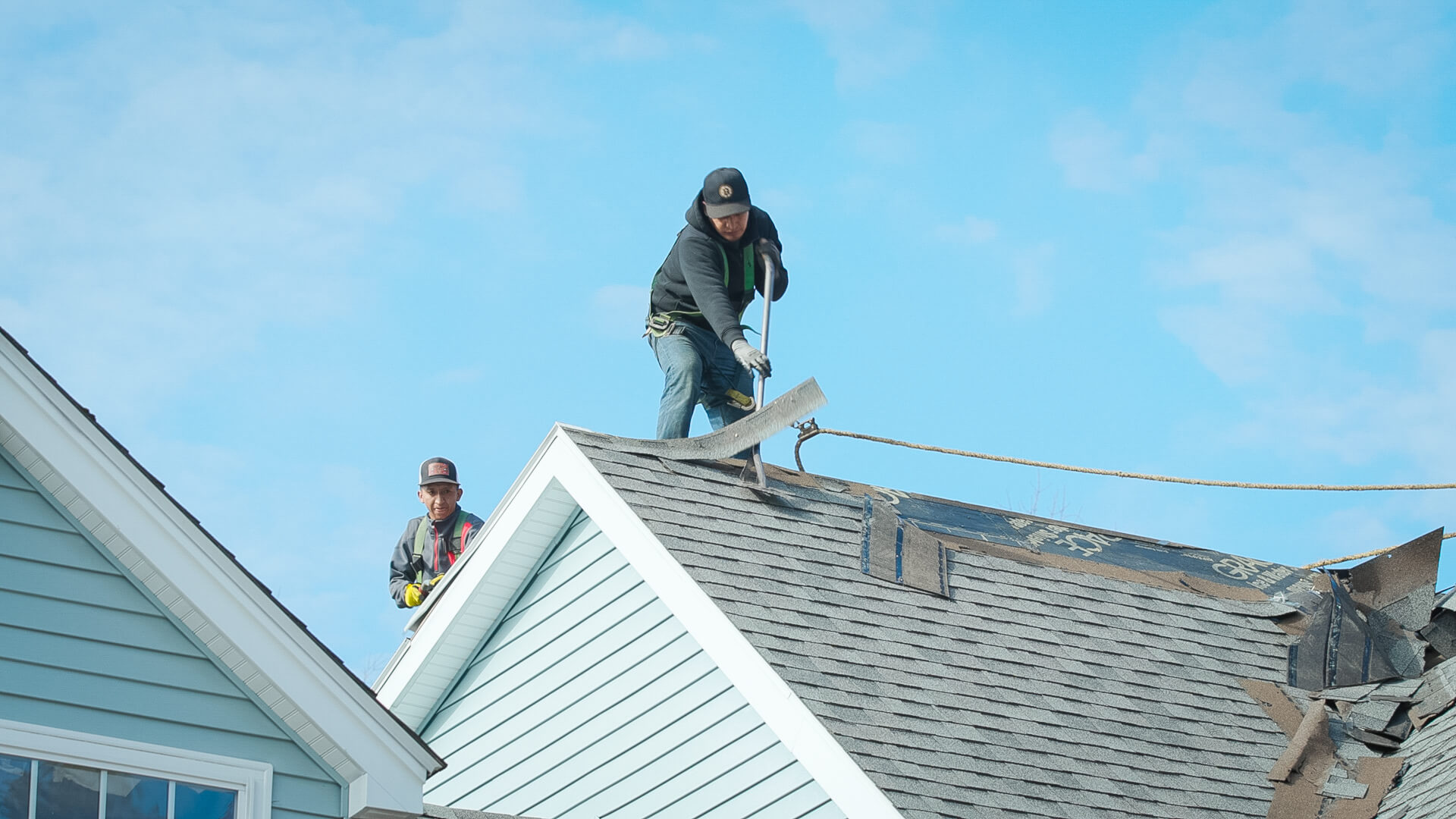
• Quick and effective maintenance tips for preparing your roof for fall weather conditions.
• Essential checks and fixes to enhance your home’s protection against elements.
• Professional recommendations for long-term roof health and weatherproofing solutions.
Understanding the Warning Signs of Roof Trouble
As the leaves change color and autumn sets in, it’s essential for Rhode Island homeowners to turn a careful eye towards their roof’s condition. Spotting the early signs of wear can save you from the headaches of unexpected repairs when the cold winter winds start to blow. Missing or damaged shingles are critical red flags, signaling potential leaks or weaknesses that could lead to severe water damage. Remember, these visible cues on your roof’s surface are often the first indicators that it’s time for a detailed inspection.
When Your Gutters Speak, It’s Time to Listen
Gutters congested with the remnants of autumn can whisper tales of impending trouble for your roof and home. It might seem trivial, but leaves and debris jammed in gutters and downspouts can back up water, promoting wood rot and siding damage. Case in point, a cluttered gutter is more than just an eyesore—it’s a silent alarm for water damage and ice dams, which can both wreak havoc during Rhode Island’s wet and freezing season. Make sure your gutters are cleared out to ensure a well-maintained water flow away from your home’s foundation.
The Overlooked Hazard: Overhanging Branches
Overhanging tree branches may add to the scenic beauty of a Rhode Island fall, but they are a dormant risk to your roof’s wellbeing. As benign as they seem, they can accumulate hazardous debris and allow animals easy roof access, leading to unwanted damage. Additionally, in a storm, these branches could detach and become airborne threats directly to your roof. Trim them back to keep the roof clear, and guard against the surprise attacks that nature might have up its sleeves.
Preventative Measures for Long-Lasting Roofs
A robust roof is the frontline defense of your home against the elements, and overlooking minor issues can lead to major repairs. In the calm before the winter storms, it’s prudent to seek out any signs of leaks that become evident through water stains or moisture in the attic. Early detection coupled with prompt action can mean the difference between an inexpensive repair now and a costly replacement later. If you’re uncertain about the state of your roof, considering a professional inspection can be a wise decision for your peace of mind.
Boost Your Roof’s Resilience
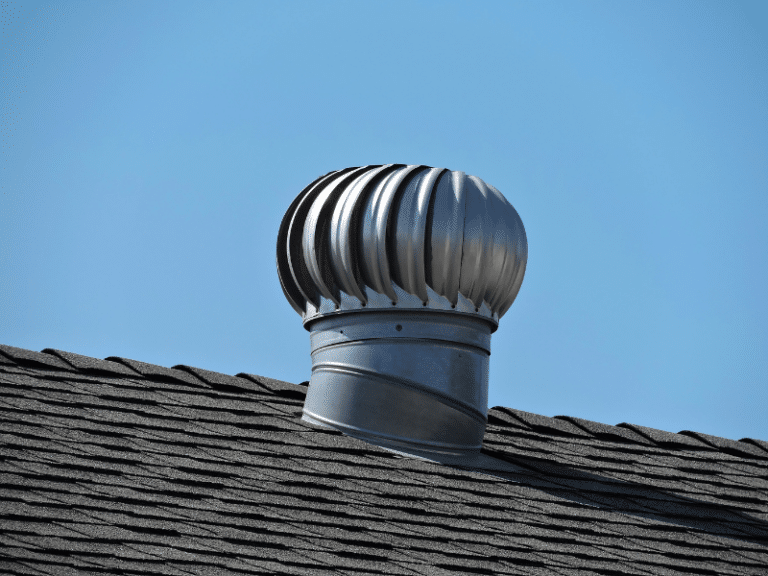
With the Rhode Island winter inching closer, reinforcing your roof’s strength becomes non-negotiable. Adequate attic insulation plays a critical role in regulating your home’s temperature and preventing the formation of ice dams – a common wintertime adversary. Ensure that your attic’s ventilation is unobstructed, as this is essential for warding off moisture-related damage and maintaining the integrity of your roofing materials. If you feel your roof may need an extra layer of protection, explore our roofing options that are designed to give your home the durability it deserves.
Step 1: Inspect Your Roof Regularly
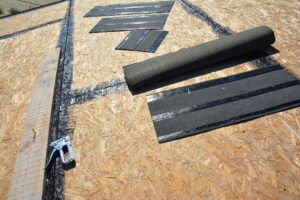
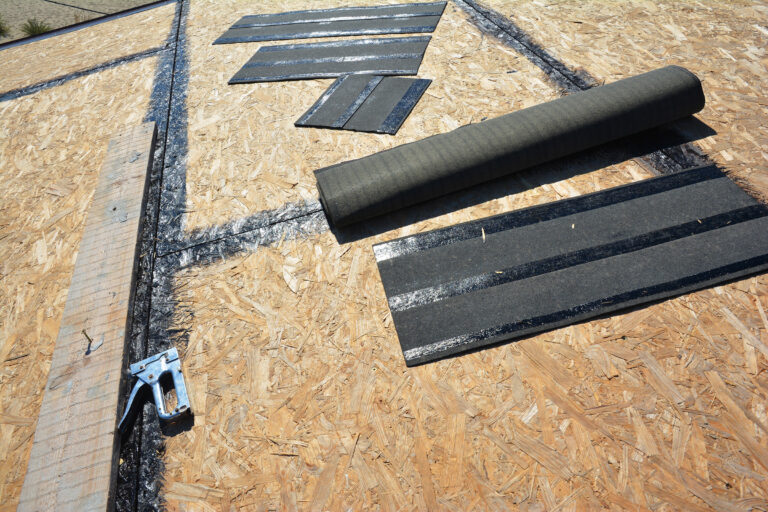
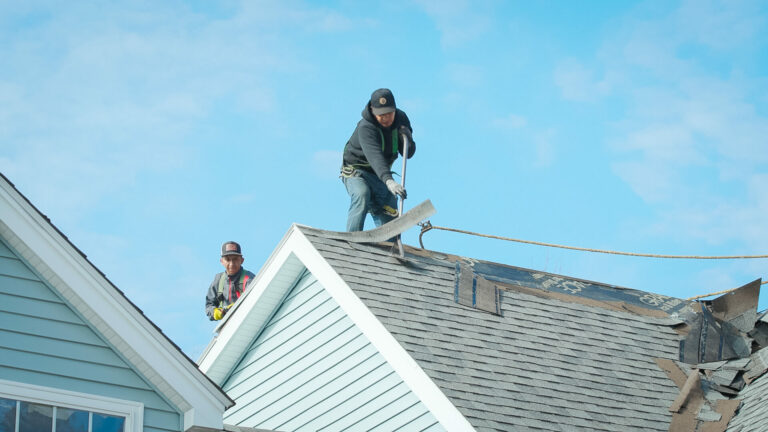
Begin your fall roof maintenance by conducting a comprehensive inspection. Look for missing, loose, or damaged shingles, which can lead to leaks during harsh winter weather. Check for signs of wear around roof penetrations like chimneys, skylights, and vent pipes.
Step 2: Clear Gutters and Downspouts
Ensure that your gutters and downspouts are free of leaves, twigs, and debris. Clogged gutters can cause water to back up and damage your roofing, siding, and wood trim, plus cause leaks and ice dams.
Step 3: Trim Overhanging Tree Branches
Trim any branches hanging near your roof to minimize the accumulation of leaves and to prevent damage during storms. This can also deter animals from getting onto your roof.
Step 4: Check for Roof Leaks
Look for signs of leaks in your attic and on your ceilings, which could indicate a compromised roof. Early detection of leaks can prevent further damage to insulation and interior ceilings/walls.
Step 5: Ensure Proper Attic Ventilation
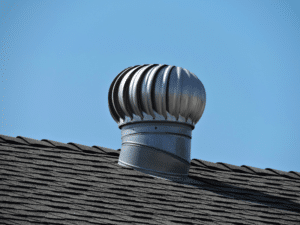
Proper attic ventilation can help prevent structural damage caused by moisture, increase roofing material life, and reduce energy consumption. Make sure your attic has unrestricted air flow.
Step 6: Upgrade Roof Insulation
Check the condition of your attic insulation. Proper insulation can help prevent heat from escaping, which keeps your home warm and prevents snow on the roof from melting and refreezing, which can lead to ice dams.
Step 7: Schedule Professional Inspections
Consider hiring a roofer to assess the condition of your roof if you are unsure about any issues. They can spot potential problems you may miss and can safely make repairs as needed.
Step 8: Reinforce Roof Strength
If you live in an area with heavy snowfall, it’s crucial to reinforce the strength of your roof to withstand the weight. Ensure that your roofing structure is intact and consult a professional on whether additional support is needed.
Avoiding Pitfalls in Fall Roof Maintenance
While the initiative to undertake roof maintenance is commendable, eagerness without proper know-how can lead to costly errors. DIY roof maintenance, especially in preparation for the harsh winter months, requires attention to detail and an understanding of roofing systems. Let’s dive into some frequent mistakes homeowners make, so you can avoid them in your fall roof maintenance efforts.
Mistake 1: Skipping Regular Inspections
Many homeowners wait for visible damage before inspecting their roofs, which can mean underlying issues go unnoticed. Regular inspections are crucial for early detection and prevention of small problems escalating into bigger, more expensive repairs.
Mistake 2: Improper Gutter Maintenance
One often-overlooked aspect of roof maintenance is the gutters. Improper cleaning or ignoring blocked gutters can lead to water damage on both the roof and the home’s foundation. It’s important to ensure they are free from debris and have proper water flow.
Mistake 3: Incorrect Pruning of Trees
Trimming tree branches is necessary, but doing it incorrectly can be counterproductive. A common error is cutting too close to the roof without adequate tools or knowledge, which can damage the roof or even pose a safety risk.
Mistake 4: Overlooking Signs of Leaks
Leaks can start small and go unnoticed until they cause significant damage. It’s all too common for homeowners to miss early signs of leaks, such as water stains on ceilings or walls, which can result in expensive interior damages.
Mistake 5: Ignoring Ventilation and Insulation Issues
A well-insulated and ventilated attic is key to a healthy roof, but it’s often disregarded. Insufficient ventilation can lead to moisture problems, while poor insulation can cause ice dams, both damaging to the roof structure.
Mistake 6: Skipping Professional Help When Needed
Some issues require a professional’s touch, yet it’s a mistake many make to try to handle all repairs themselves. Knowing when to call in a professional can save you from exacerbating the problem.
Mistake 7: Forgetting to Prepare for Weight of Snow
In areas with heavy snowfall, not preparing the roof to bear the additional weight can lead to disaster. Overlooking the need for structural reinforcement can be a dire error when the heavy snow comes.
Sealing the Deal on Roof Maintenance
Timely maintenance is key to extending the lifespan of your roof and ensuring your home stays cozy and dry throughout the fall and winter. Identifying and addressing issues like improper shingle alignment or wear and tear around roof fixtures should not be overlooked. Consulting with experts can help you make informed decisions; our team at Adam Quenneville can assess and suggest the best course of action tailored for your home.
Preparation for the Upcoming Seasons
The commitment to regular roof check-ups and maintenance is a commitment to your home’s overall welfare. As the seasons shift, it’s crucial to have a plan for continuous care. For more information on maintaining your roof and preparing your home for Rhode Island’s distinct seasons, visit Adam Quenneville’s homepage for expert advice and quality services.