
You’ve spotted a leak, a few missing shingles, or something just “off” with your roof and now you’re wondering: Can I fix this myself or do I really need to call a roofer?
We get this question all the time from homeowners trying to avoid unnecessary costs or waiting around for a professional when they could handle a simple fix themselves.
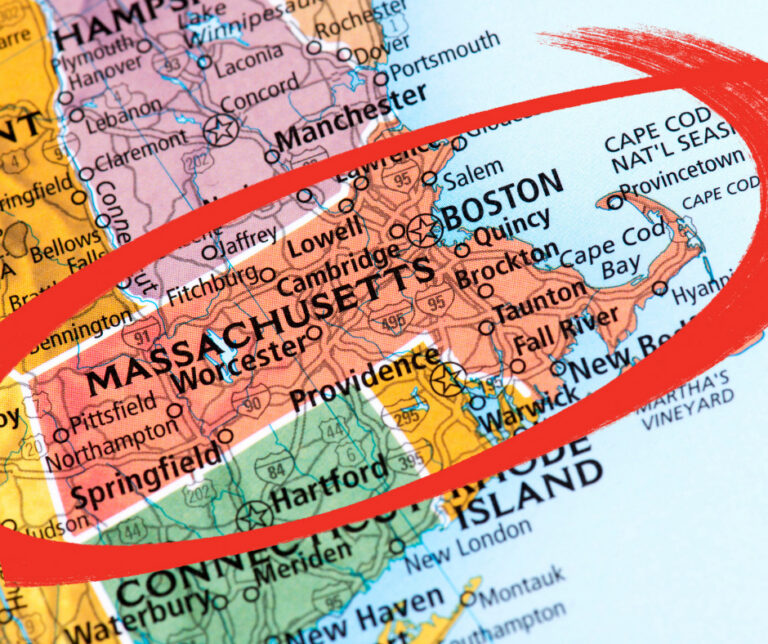
At Adam Quenneville Roofing and Siding, we have repaired and replaced thousands of roofs in Massachusetts. We understand the desire to take control, and we also know when it’s time to step back.
In this article, we’ll break down what roofing tasks are realistically safe for DIYers, which ones come with hidden risks, and when hiring a professional is the smartest move for your wallet and your home.
What Are the Most Common Roof Repairs That You Can Actually Do Yourself?
If you’re handy and your roof is easily accessible, there are a few tasks that some homeowners feel comfortable tackling:
Replacing a Few Shingles
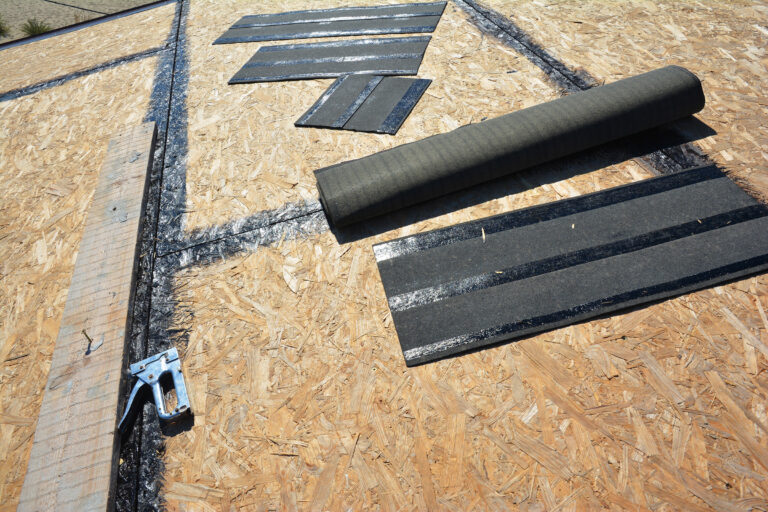
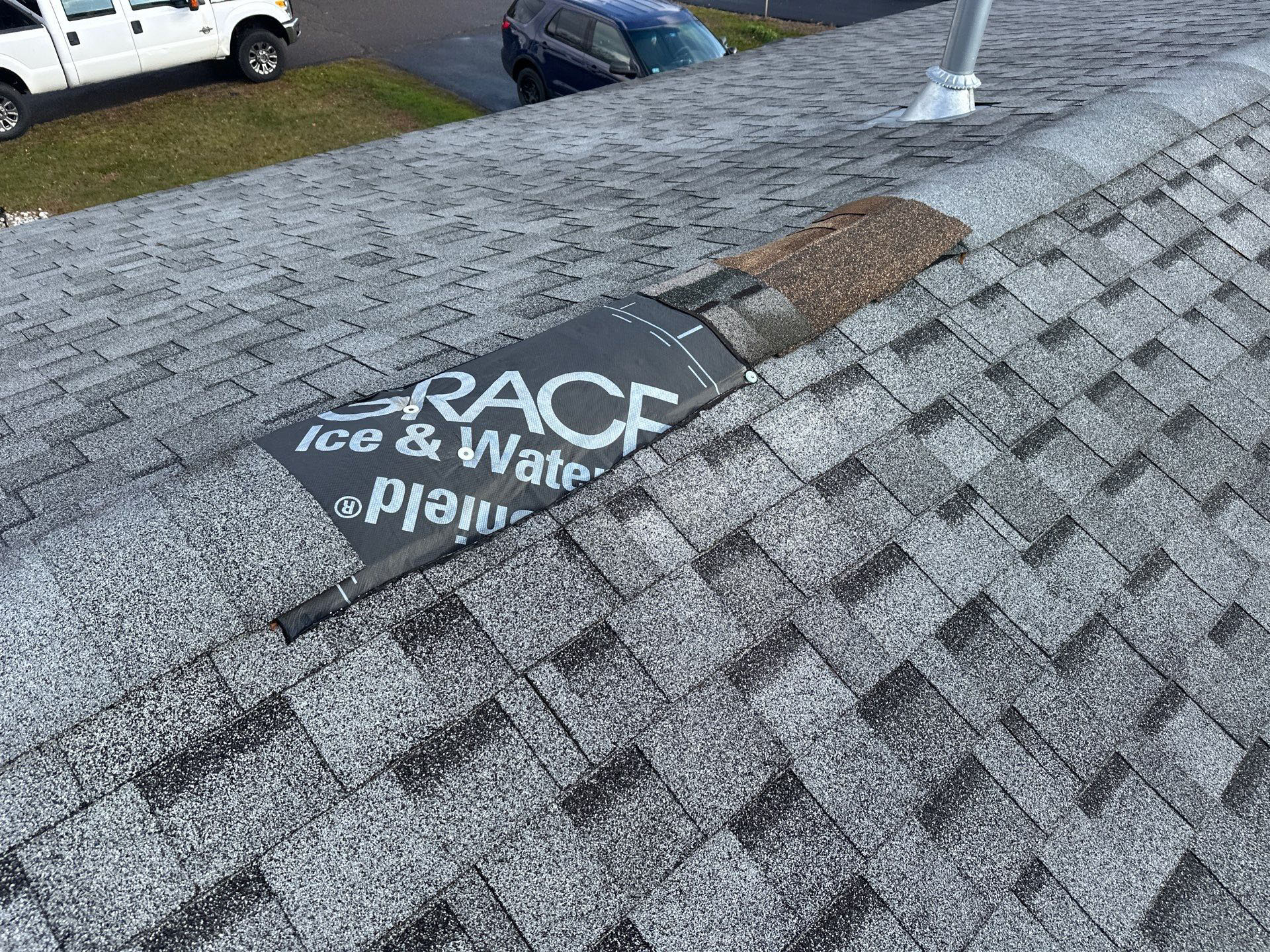
If you’ve had a storm rip off a few shingles and you have matching replacements, you can swap them out yourself, but be sure you’re using proper safety equipment. You’ll need a pry bar, roofing nails, a hammer, and roofing cement.
Sealing Minor Leaks
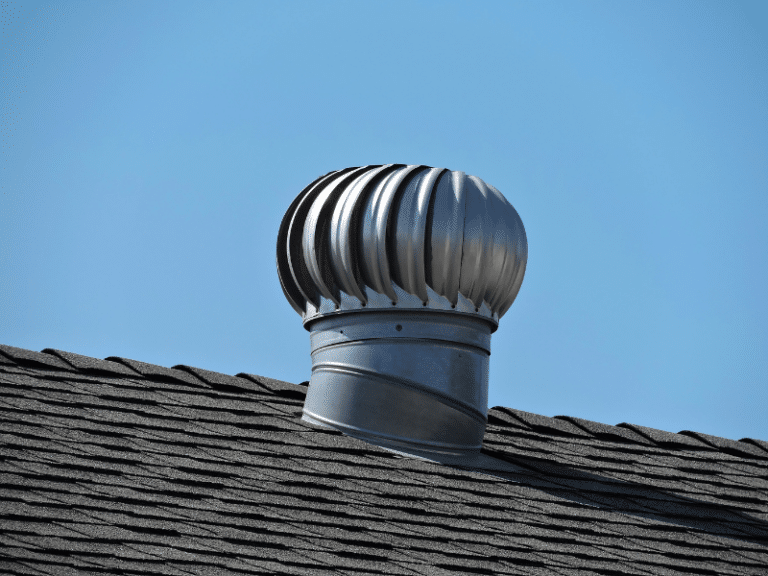
For very small leaks around flashing or vents, homeowners sometimes use roofing caulk or sealant as a temporary fix. Just keep in mind: these are band-aids, not permanent solutions.
Cleaning Gutters and Downspouts
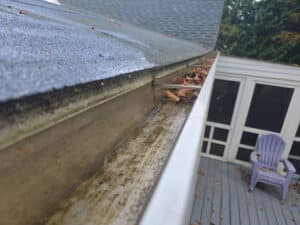
Clogged gutters can lead to water backing up under your roof. This is a low-risk, high-reward task; just make sure your ladder is secure, and you’re working with someone nearby.
Replacing Flashing Caulk
If you notice dried, cracked caulk around flashing or vents, re-caulking can be done with a basic roofing sealant. But be careful: cracked caulk can often signal a deeper issue.
What Are the Risks of DIY Roof Repair?
Roof repairs can seem simple, but even “minor” fixes come with hidden risks:
Safety Hazards
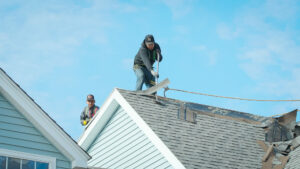
Falls are the #1 cause of roofing-related injuries. Steep pitches, loose shingles, and sudden wind gusts are serious threats, especially if you’re not trained or equipped.
Voiding Your Roof Warranty
Most manufacturers require professional installation or repair to keep warranties valid. DIY fixes can void coverage, especially if materials are installed improperly.
Covering Up Bigger Problems
What looks like a simple leak could be hiding rotted decking or mold in the attic. DIY efforts can mask the real issue, delaying the fix and increasing damage.
Increasing Repair Costs Later
We’ve seen it happen many times: a quick DIY patch makes a leak worse or damages surrounding materials, turning a $500 fix into thousands of dollars to tear off and replace.
When Should You Call a Professional Roofer?
There’s a simple rule: the more serious the damage, the more you need a pro. Specifically, you should reach out to a roofing contractor if:
- Your roof is leaking in more than one spot
- You see sagging, soft spots, or visible rotting
- Your roof is over 15–20 years old
- There are multiple layers of old shingles
- Your roof has valleys, dormers, skylights, or a steep pitch
These are all signs of deeper issues that require proper inspection, structural understanding, and experienced labor.
Cost Comparison: DIY vs. Professional Roof Repair
Before we talk numbers, it helps to understand what you’re actually comparing. DIY costs are mostly materials + your time, and the price looks low because you’re not paying for labor, safety equipment, or liability. Professional repairs include labor, safety, diagnostic time, proper materials, and usually some level of workmanship warranty. With that in mind, here’s what each approach typically costs.

The Cost of DIY Repairs: What You Might Spend
Let’s say you’re replacing a few shingles or sealing a leak:
- Roofing cement/sealant: $10–$30
- Replacement shingles: $30–$50 per bundle
- Ladder, pry bar, safety gear (if not owned): $100–$400
- Your time: 2–6 hours
But remember, if something goes wrong, the cost of fixing a bad repair can be much higher.
The Cost of Professional Repairs: What to Expect
A small professional roof repair might cost:
- Minor flashing repair: $300–$600
- Small leak repair: $400–$750
- Replacing several shingles: $350–$800
The difference? You’re paying for experience, safety, warranty-backed workmanship, and peace of mind.

How to Decide What’s Right for Your Roof
Ask yourself:
- Is the issue truly small and surface-level?
- Is my roof low-slope and easy to access?
- Am I confident in my safety and tools?
- Could this repair risk masking a larger problem?
DIY can be great, for small jobs, and when you know exactly what you’re doing. But your roof protects your entire home. A leak today can mean thousands in damage tomorrow.
Our honest take? If it’s more than a handful of shingles, involves potential decking issues, or just makes you uneasy, call a pro.
When in doubt, many homeowners call us for a roof inspection, often the most affordable and risk-free step.
FAQ about DIY Roof Repairs
Can I repair a roof leak myself?
Only if it’s very small and you’re confident in the source. Most leaks are trickier than they appear.
Is it safe to walk on my roof?
Not always. Steep pitches and wet or damaged shingles make it dangerous, even deadly.
What happens if I do a repair wrong?
You may cause more damage, void your warranty, and increase the eventual repair cost.
Will insurance cover a DIY roof repair?
Unlikely. Most insurers expect repairs to be done by licensed professionals.
Have questions about your roof? Want a second opinion before climbing the ladder? We’re here to help, no pressure, no hard sell. Just straight answers from roofing pros who’ve seen it all.