• Uncover immediate actions to take when a roof leak is detected, highlighting the urgency of DIY repairs to avoid costly damage
• Gain insights into tools and safety precautions needed for effective and secure self-repair of common roofing issues
• Learn long-term strategies for roof maintenance and understand when to call professionals for complex leak issues
Long-Term Roof Protection Strategies
Proactive maintenance is key to extending the life of your roof and preventing leaks before they start. Schedule regular inspections, especially after extreme weather events, to identify potential vulnerabilities. Look for missing, cracked, or curled shingles and ensure your flashing is intact and free from rust or cracks. These inspections can catch small issues before they become major problems, saving you time and money in the long run.
It isn’t just about fixing what’s broken; it’s about preventing those issues from occurring in the first place. Simple actions like keeping trees trimmed back from your roof can prevent abrasion on roofing materials and avoid the accumulation of damp leaves. Ensuring proper attic ventilation will also prevent moisture buildup that can weaken your roof’s structural integrity. Invest in these preventive measures now, and your roof will serve you well for years to come.
When to Seek Professional Help
While DIY repairs can be useful for small leaks, recognize when the job is beyond your expertise. Extensive damage, structural concerns, or persistent leaks after a repair are all signs that professional help is needed. Don’t hesitate to reach out for a thorough assessment and solution. It’s about knowing your limits and protecting your investment in your home. An expert evaluation can provide options for repair or replacement that ensures your roof is reliable and authentic.
Parting thoughts convey an invitation to action. With your newfound knowledge on DIY roof leak repair tips, you’re well on your way to becoming a proactive homeowner. Take pride in your ability to handle emergencies and to protect your home from harm’s way. Remember, the goal isn’t just to repair damage, but to ensure your home is well-protected against future leaks and wear. With care and attention, your roof can remain a sturdy guardian for many seasons to come.
Discovering a Roof Leak: Your Immediate Action Plan
Imagine waking up to the gentle patter of rain, only to find that the water isn’t just outside, but is also making its way into your living room. The sense of panic sets in as you realize your home, your sanctuary, is under threat from an unexpected roof leak. It’s a race against time as every minute counts to prevent further damage. The urgency to act is palpable, as early detection and repair can mean the difference between a quick fix and a costly renovation. Taking immediate steps not only protects your belongings but also the structural integrity of your home.
The fallout from a roof leak can be extensive, affecting more than just the ceiling and walls. Ignored, a small drip can lead to mold growth, electrical hazards, and compromised insulation. Suddenly, the stakes are not just financial but also pose a risk to your health and safety. No homeowner should have to face the escalation from a simple fix to a major overhaul because they didn’t know what to do. This is why understanding DIY roof leak repair tips is vital.
Factoring In First-Hand Expertise For Home Care
But where do you start? First, assess the extent of the leak—sometimes the origin isn’t where the water appears. A damaged or missing shingle might be the culprit, marking the first line of defense against further water intrusion. This initial step not only sets the stage for repair but can also offer peace of mind, knowing that you’re on your way to rectifying the issue. Whether it’s a simple patch or a more complex task, gaining this knowledge is empowering for any homeowner.
Long-Term Roof Protection Strategies
Proactive maintenance is key to extending the life of your roof and preventing leaks before they start. Schedule regular inspections, especially after extreme weather events, to identify potential vulnerabilities. Look for missing, cracked, or curled shingles and ensure your flashing is intact and free from rust or cracks. These inspections can catch small issues before they become major problems, saving you time and money in the long run.
It isn’t just about fixing what’s broken; it’s about preventing those issues from occurring in the first place. Simple actions like keeping trees trimmed back from your roof can prevent abrasion on roofing materials and avoid the accumulation of damp leaves. Ensuring proper attic ventilation will also prevent moisture buildup that can weaken your roof’s structural integrity. Invest in these preventive measures now, and your roof will serve you well for years to come.
When to Seek Professional Help
While DIY repairs can be useful for small leaks, recognize when the job is beyond your expertise. Extensive damage, structural concerns, or persistent leaks after a repair are all signs that professional help is needed. Don’t hesitate to reach out for a thorough assessment and solution. It’s about knowing your limits and protecting your investment in your home. An expert evaluation can provide options for repair or replacement that ensures your roof is reliable and authentic.
Parting thoughts convey an invitation to action. With your newfound knowledge on DIY roof leak repair tips, you’re well on your way to becoming a proactive homeowner. Take pride in your ability to handle emergencies and to protect your home from harm’s way. Remember, the goal isn’t just to repair damage, but to ensure your home is well-protected against future leaks and wear. With care and attention, your roof can remain a sturdy guardian for many seasons to come.
Insights From The Experts
Tip 1:
Before attempting any repairs, accurately identify the source of the leak by checking for common issue areas such as missing shingles or compromised flashing. Early detection can prevent extensive interior damage.
Tip 2:
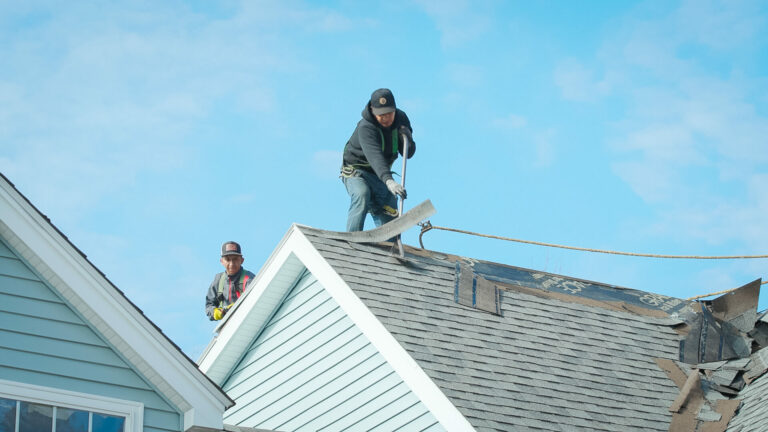
Always prioritize safety by wearing proper footwear and using a sturdy ladder. Consider using a safety harness when working on steep slopes to avoid potentially dangerous falls.
Tip 3:
When replacing shingles, gently lift the overlapping shingles above the damaged area, remove old nails with a pry bar, and slide in the new shingle. Ensure it aligns properly with the existing roofline for a seamless fix.
Tip 4:
If you find damaged flashing around vents or chimneys, remove the old sealant and nails, apply a new layer of roofing cement, and fix the flashing back in place. This prevents water from seeping through the edges.
Tip 5:
Keep your gutters clean to prevent blockages that can cause water to pool and seep under shingles. Regular maintenance checks, especially after heavy storms, can save you from costly repairs in the future.
Your Roof Leak Repair Questions Answered
How can I tell if my roof has a leak that I can repair myself?
You can identify a repairable leak by finding the source, usually a missing or damaged shingle, and assessing the extent of water damage. If the area is small and accessible, and you feel confident in your DIY skills, you can attempt the repair.
What are the immediate steps to take when I detect a leak in my roof?
Quickly move any furniture or belongings away from the leak to prevent further damage, and place a container to catch dripping water. Then, inspect the attic or crawl space to trace the leak’s path and apply a temporary patch for an immediate solution.
Can I repair a roof leak on my own, and what tools will I need?
Minor roof leaks can often be tackled with some DIY knowledge, requiring tools like a pry bar, roofing nails, hammer, and roofing cement for shingle repairs, or sealant for minor cracks.
How often should I perform maintenance checks to prevent roof leaks?
Performing biannual maintenance checks in the spring and fall, and after severe weather events, can effectively prevent roof leaks by allowing you to catch and fix issues early on.
What are the risks of delaying repairs on a leaking roof?
Putting off leak repairs can lead to structural damage, mold growth, and increased repair costs, as well as potentially creating safety hazards within your home due to water intrusion.