• Quick Detection Tips: Learn essential strategies for identifying hidden roof leaks before they cause major damage.
• DIY Inspection Guide: Step-by-step instructions to safely check your roof for subtle signs of leakage.
• Professional Solutions: Understand when it’s time to call in the experts and why professional help is the best option.
Recognizing the Red Flags of Roof Leaks
Before diving into our practical guide on spotting hidden leaks, it’s crucial to understand the subtle signs that may signal trouble overhead. The first whisper of a leaking roof often lies in the shadows of your attic; here, dark stains on wooden components or the unmistakable presence of mold are strong indicators of unwanted moisture. Moisture issues in the attic don’t just signal immediate water intrusion—they’re harbingers of potential structural damage and health concerns. Vigilance here is not about a quick glance but a detailed inspection to ensure the hidden corners of your home remain safe and sound.
In daylight’s honesty, the attic reveals more than just the overt signs of leakage. When the sun is high, a shut attic can unveil the story of your roof’s integrity—look for those subtle beams of light that pierce through unnoticed punctures. While small crevices in the roof might seem harmless, they’re gateways for water during Vermont’s heavy rains or melting snow. These tiny fissures may grow over time, transforming from mere annoyances to significant pathways for water damage.
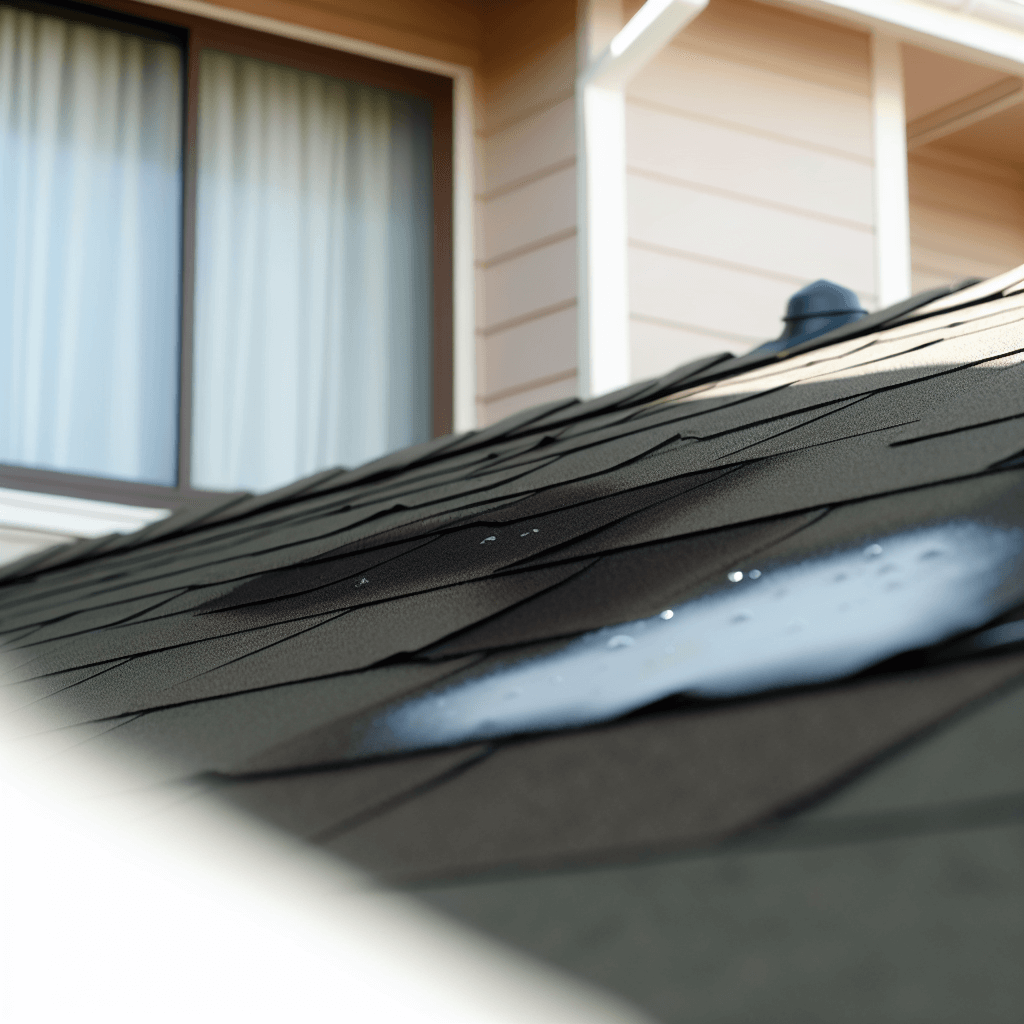
As we scrutinize the attic, it’s also wise to trace the pathways where external elements interface with your roof. Roof penetrations, like those around chimneys, vents, and the intersections where different roofing materials meet, are often the culprits of leakage. Flashing—the protective barrier installed at these intersections—is critically necessary yet often overlooked; when it fails, water finds a way in. Similarly, the condition of the shingles on the exterior can also be telling; cracked, curled, or missing pieces directly invite moisture into your home.
These initial observations can act as your canary in the coal mine, alerting you to take action before minor leaks become major catastrophes. With a vigilant eye and a proactive stance, you can maintain your roof’s integrity and your home’s comfort, especially as the crisp fall weather takes hold in Vermont.
The Battle Against Hidden Moisture
Once you’ve identified the potential for leaks in your attic, the next step is formulating a plan to tackle them head-on. A methodical approach is key—begin by examining any visible dampness or water stains and trace their origin. This often involves checking for compromised sealants around vents or chimneys, which can degrade over time and expose your home to the elements. Remember, even the smallest gap can transform into a gateway for water, so it’s crucial to address these issues with precision and care.
Meanwhile, on the roof, begin your defensive strategy by inspecting the outermost layer. Curling or missing shingles can be tell-tale signs of age or damage, often exacerbated by Vermont’s severe weather conditions. As you survey the roof, be wary of moss or algae; their root systems can create minute cracks in shingles or roofing material, fostering not just leaks but also long-term decay. It’s these detailed inspections that will protect your home and preserve its value for years to come.
Both inside and out, maintaining your roof’s integrity is about being proactive. Regular check-ups can catch problems before they escalate, and understanding the signs of wear can prevent the panic that comes with unexpected repairs. Keep these insights in hand as you safeguard your home through the seasons.
Step 1: Examine the Attic
Begin your search for hidden roof leaks by inspecting your attic. Look for dark streaks or spots on the underside of the roof sheathing, wet insulation, or mold growth, which can all indicate moisture penetration.
Step 2: Check for Light Intrusion
Turn off the attic lights during daylight hours. Look for rays of light coming through the roof, which can point to small holes or cracks where water may leak through.
Step 3: Review Flashing and Vents
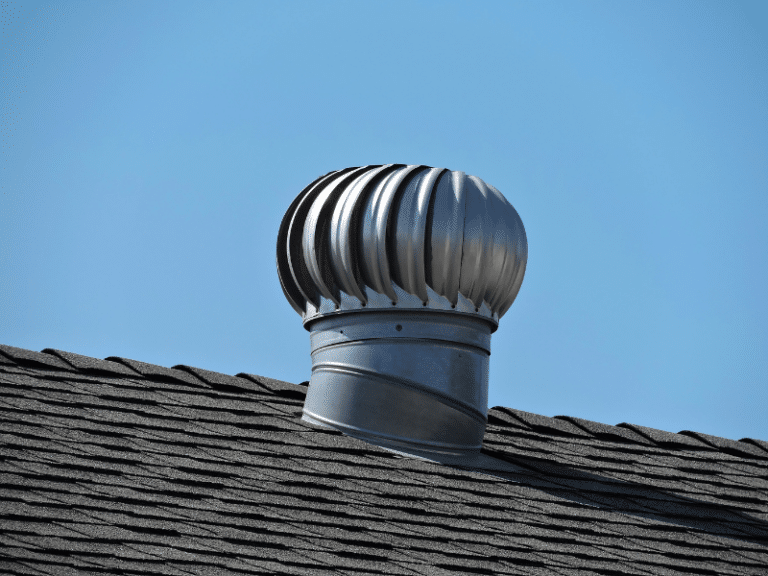
Examine all roof penetrations, including vents, chimneys, and flashing for signs of wear or damage. These areas are common entry points for water and may need sealing or repair.
Step 4: Inspect Roof Shingles
Safely use a ladder to assess the condition of your roof shingles. Missing, cracked, or curled shingles can allow water to enter and should be replaced to prevent leaks.
Step 5: Check for Algae or Moss
If your roof has visible green patches of algae or moss, this could be trapping moisture against the roof’s surface and creating ideal conditions for leaks to develop.
Step 6: Inspect Gutters and Downspouts
Ensure your gutters and downspouts are free of debris and allowing water to flow away from the roof properly. Blockages can lead to water backup and seep through the roof.
Step 7: Conduct a Water Test
With the help of another person, use a hose to gently simulate rainfall on your roof, while the other person observes the attic for any water entry, to pinpoint active leaks.
Step 8: Schedule Regular Maintenance
To prevent leaks before they start, have your roof inspected and maintained by a professional annually, especially before Vermont’s harsh winter months set in.
Maintaining a strategic approach with these steps can help Vermont homeowners detect and address hidden roof leaks, offering peace of mind as they transition into the fall season.
Avoiding Common DIY Roof Inspection Mistakes
DIY roof maintenance can be both effective and economical, but it’s not without potential pitfalls. Homeowners often find themselves facing issues that could have been avoided with proper knowledge and careful attention during their initial inspections. To help you prevent these missteps, we’ve compiled a list of common blunders that could lead to misguided efforts and unfortunate outcomes in your hunt for hidden leaks.
-
Mistake 1: Neglecting Safety Precautions
Inspecting a roof involves heights and challenging surfaces, which can lead to falls and injuries without proper safety gear and precautions. Always ensure you have a sturdy ladder, wear non-slip shoes, and consider using a safety harness when necessary to prevent accidents. -
Mistake 2: Overlooking Small Details
Even tiny hairline cracks or the smallest of stains in the attic can indicate a leak. It’s essential to inspect with a keen eye and not dismiss minor abnormalities, as these can develop into more severe issues if ignored. -
Mistake 3: Incorrectly Assessing Ventilation
Poor attic ventilation can compound moisture problems and worsen leaks. Make sure to check that all vents are clear and functioning correctly, or otherwise, trapped moisture can mimic leak symptoms and lead to a misdiagnosis. -
Mistake 4: Misidentifying the Source of a Leak
Water can travel far from its entry point, meaning a stain in one area doesn’t necessarily indicate a direct leak above. Trace the water’s path back to its origin to accurately identify and address the real source of the leak. -
Mistake 5: Quick Fixes That Don’t Last
Opting for temporary solutions, like patching up with unsuitable materials, may seem like a quick win, but these generally lead to further damage in the long run. Use appropriate, high-quality materials and methods for a lasting repair. -
Mistake 6: Ignoring Algae and Moss
While algae and moss might seem like cosmetic issues, they are often indicative of excess moisture and can cause damage if not properly removed. Treat these growths not only for aesthetics but as part of maintaining your roof’s integrity. -
Mistake 7: Forgoing Professional Help When Needed
DIY has its limits, especially when it comes to in-depth inspections and major repairs. Seeking assistance from roofing professionals can save you from the costly aftermath of a failed DIY attempt.
By avoiding these common mistakes, you can better safeguard your home from the inconveniences and costs associated with hidden roof leaks. Stay vigilant and precise in every inspection step, and when in doubt, remember that professional expertise is just a call away.
Ensuring Longevity through Maintenance and Professional Insight
Maintaining the health of your roof isn’t just about fixing current issues; it’s about preventing future problems before they manifest. A key component of this preemptive approach is a thorough cleaning of your gutters and downspouts, which channels water away and protects the structural integrity of your roof. For those who wish to take an extra step in safeguarding their property, professional gutter services can offer more comprehensive solutions and peace of mind.
Remember that hidden roof leaks, if left unaddressed, can lead to significant damage to your home’s structure and interior. To ensure your home remains secure and dry, consider scheduling an annual roof inspection, preferably before the onset of Vermont’s harsh winter season. Professionals bring expertise that can spot potential issues you may miss, providing not just repairs, but valuable advice on long-term roof care.
Embracing regular maintenance and seeking expert advice are the best ways to ensure your roof stands the test of time and the whims of weather. Remember, a robust roof means a safe, comfortable home for you and your loved ones.