
• Understanding the Impact: Learn how cooler temperatures can influence the effectiveness and timing of your roof installation process.
• Pre-Installation Checklist: Review essential steps to take before starting roof installation in cold weather, ensuring a successful and durable outcome.
• Professional Insight: Discover why enlisting professional help is the best approach to navigate the complexities of roof installation in cooler climates.
The Goal: Ensuring Effective Roof Installation in Cold Weather
Understanding the Impact of Temperature
As temperatures in Maine begin to plummet, the goal becomes crystal clear: to ensure a durable and successful roof installation that can withstand the tests of colder climates. Cooler temperatures bring unique challenges to roofing materials and installation processes, making it crucial to adapt techniques accordingly.
Choosing the Right Materials and Timing
Selecting materials designed to perform in Maine’s fall and winter months is critical for a lasting investment. Timing the installation before the harshest weather ensures that your home is protected and the installation process is not hindered by the cold.
Effective Planning for Longevity
Meticulous planning and execution of the installation can make all the difference in roof performance during the cold season. A roof installed considering how cooler temperatures affect roof installation will offer peace of mind as the winter snows settle in.

Checklist for Cold Weather Roof Installation Success
To achieve effective roof installation during Maine’s colder months, it’s essential to follow a thorough checklist that addresses the unique challenges posed by the temperature. Each step is designed to mitigate the impact of the cold and ensure the longevity of your roof.
- ✅ Choose Winter-Grade Roofing Materials: Opt for roofing materials rated for lower temperatures to prevent brittleness and cracking.
- ✅ Schedule a Pre-Winter Inspection: Have a professional roofing contractor inspect your current roof and suggest specific preparation or repairs.
- ✅ Confirm Installers’ Cold Weather Expertise: Ensure that the roofing team has experience with installations in colder climates and knows how to adapt their techniques.
- ✅ Check the Weather Forecast: Plan the installation for a dry day with the least chance of precipitation to avoid delays and complications.
- ✅ Prepare the Roofing Area: Clear the workspace of leaves, snow, or ice to create a safe environment for workers.
- ✅ Utilize Proper Insulation: Guarantee the use of appropriate insulation to maintain heat within the home and protect the roof from ice dams.
- ✅ Seal and Waterproof: Ensure all materials are properly sealed and waterproofed to withstand the expansion and contraction caused by cold weather.
By ticking off each task on this checklist, you are taking proactive steps to safeguard your roof’s installation process against the chill. Remember, proper planning and execution translate to a secure and sturdy roof that endures Maine’s harsh winter conditions.
Additional Advices
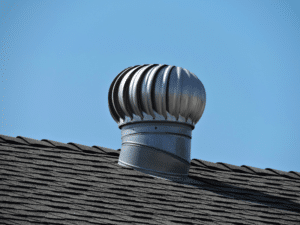
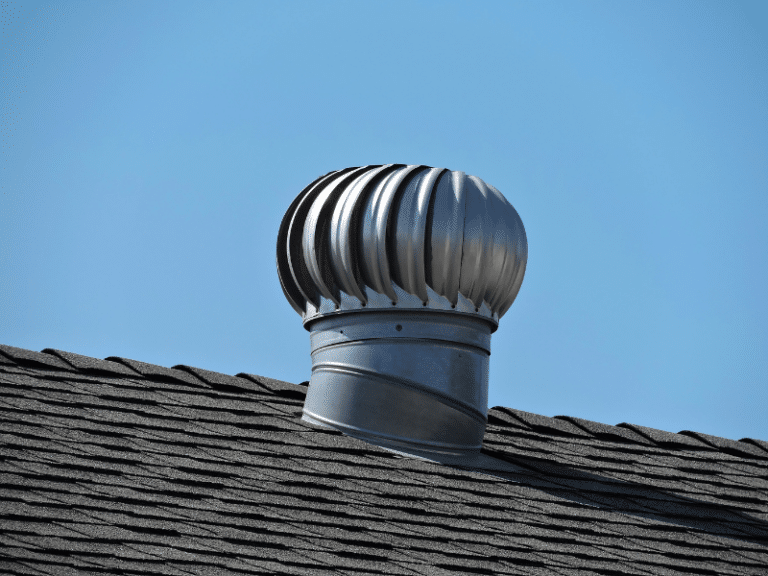
While following the checklist for cold weather roof installation is crucial, there are additional strategies and best practices that can further enhance the efficacy and durability of your roof in Maine’s challenging winter climate. One common mistake homeowners make is overlooking the importance of ventilation. Proper attic ventilation is vital, as it helps to regulate temperature and moisture levels, preventing ice dams and condensation that can lead to significant damage. Installing vented soffits and ridge vents can significantly improve airflow, ensuring that warm, moist air escapes, rather than accumulating within the attic space.
Another valuable tip is to be mindful of the installation timing beyond just weather conditions. Early winter, before the intense cold sets in, is often the best window for a new roof installation. This not only allows contractors to work more efficiently but also ensures that the roofing materials adhere correctly as they won’t be subjected to freezing temperatures right from the start. Additionally, don’t hesitate to consult with your roofing contractor about the best practices specific to your roofing material and home layout, as they can provide insight tailored to your unique situation. By incorporating these additional steps, you will maximize the performance and lifespan of your new roof, ensuring it remains resilient against Maine’s harsh winter weather.
Wrapping Up: Winter-Ready Roofing
Securing Your Investment
As the autumn leaves give way to the first snow, ensuring your roof is prepared becomes more crucial than ever. The checklist provided arms you with the knowledge and steps to overcome the impact of Maine’s colder temperatures on roof installation. With vigilance and proper planning, your roof can stand as a bulwark against the encroaching winter, offering not just security but also energy efficiency and peace of mind.
Expert Guidance for a Sturdy Future
Whether you’re considering a new installation or reinforcing your current roofing, aligning with skilled professionals who navigate cold weather installations with finescale precision is essential. Our services in roofing provide the expertise you need for enduring quality. For more details on weather-resistant roofing options and professional installation services, visit our residential roofing solutions.