• Learn crucial roof maintenance tips to prevent unnecessary repairs and costs
• Understand simple DIY errors to avoid and proper techniques for upkeep
• Discover why regular professional inspections are vital for roof longevity
Spotting Roof Maintenance Red Flags
As a Vermont homeowner, being vigilant about your roof’s condition is crucial, especially when preparing for the extremes of summer heat and winter cold. One of the first signs to watch for is shingle damage; if you notice cracked, buckled, or missing shingles, it’s a cue that your roof may need attention. Another indicator is the presence of water stains on your ceilings or walls, which suggests a potential leak. Beyond the visible, there might be less obvious issues such as higher energy bills, pointing to inadequate roof insulation or ventilation.
When examining the exterior, don’t overlook the gutters and downspouts; these components are essential for water management. Clogged gutters can cause water to overflow, leading to extensive damage to the roof and siding. It’s equally important to ensure downspouts are directing water well away from your home’s foundation. Seasonal maintenance, especially following Vermont’s heavy rainfalls, can mitigate these common pitfalls in roof maintenance and avoid costly repairs.
Additionally, the natural surroundings of your home can play a role in roof longevity. Overhanging tree limbs pose a risk during storms and may also facilitate algae and moss growth on the shingles. Ensuring branches are trimmed back regularly not only protects your roof but can also enhance the aesthetic appeal of your property. Simple preventative measures like these can spare you from the woes of unexpected roof maintenance problems.
Maintaining a Durable Roof Structure
Maintaining the integrity of your roof involves not only vigilance but also proactive measures. Regular inspections are a cornerstone of roof maintenance, helping to identify potential problems before they escalate. In Vermont’s fluctuating climate, a bi-annual inspection will prepare your home for the seasonal shifts that can profoundly affect your roof’s condition. Between professional evaluations, it’s wise to conduct visual checks, especially after severe weather events that are common in the area.
Addressing issues promptly can mean the difference between a minor repair and a costly replacement. Whether it’s a case of missing shingles or a leakage, early action circumvents further damage, preserving the life of your roof. For comprehensive services tailored to Vermont’s unique weather conditions, consider visiting Adam Quenneville’s Residential Roofing. They provide expert knowledge in dealing with the common pitfalls in roof maintenance and guide homeowners on how to best avoid them.
Comprehensive Care for Your Roof
Besides regular inspections, gutter maintenance cannot be overlooked as part of a diligent roof care plan. Ensuring that gutters are debris-free helps to prevent water damage and protect the roof’s underlayers. Homeowners should make a habit of checking gutters after storms and during the autumn leaf fall, which can quickly lead to blockages if not managed. This is a simple yet effective preventive measure that can save a lot of trouble and expense down the line.
Another vital aspect of maintaining your roof’s health is dealing with environmental factors such as overhanging branches. Trim any limbs that come too close to the roof to prevent physical damage and reduce the chances of debris accumulation. Similarly, be proactive in addressing moss and algae growth, which thrive in damp environments and can damage the roof over time. Services such as metal roofing from experts at Adam Quenneville could offer long-term solutions to these issues.
Step 1: Schedule Regular Roof Inspections
Ensure you have routine roof inspections at least twice a year, particularly before and after heavy seasons like winter and summer in Vermont. This helps to detect any issues early.
Step 2: Clean Your Gutters and Downspouts
Keep your gutters free of debris to prevent water buildup that can lead to roof damage. This should be done seasonally to align with Vermont’s weather patterns.
Step 3: Trim Overhanging Branches
Cut back any overhanging branches that may rub against the roof or fall on it during storms. This minimizes the risk of physical damage to your shingles and structure.
Step 4: Check for Signs of Wear and Tear
Look for missing, loose, or damaged shingles as well as signs of leaks or water damage. Early detection is key to avoiding larger issues.
Step 5: Ensure Proper Ventilation
A well-ventilated attic helps prevent heat and moisture accumulation that can ruin your roof over time. Check for proper air flow and address any blockages.
Step 6: Address Moss and Algae Growth
Remove any moss or algae to prevent them from trapping moisture on the roof’s surface. Use gentle methods to protect the integrity of your roof.
Step 7: Insulate Your Attic
Proper insulation helps maintain consistent temperatures in your attic, which can prevent ice dams that are common in Vermont winters.
Step 8: Regular Maintenance Checks Post-Weather Events
After severe weather events, perform additional checks for any storm damage. Quick repairs can keep small problems from turning into costly ones.
Common DIY Roof Maintenance Mistakes to Avoid
While taking a hands-on approach to maintaining your roof can be rewarding, it is dotted with pitfalls that can lead to bigger, more expensive problems if not navigated correctly. Many homeowners jump into DIY roof maintenance with enthusiasm but sometimes lack the necessary information. This can inadvertently lead to mistakes that compromise the roof’s integrity and their own safety.
Mistake 1: Neglecting Regular Inspections
Many homeowners forget that roof health is time-sensitive and requires regular check-ups. By skipping routine inspections, especially before and after Vermont’s harshest seasons, small issues can go unnoticed and grow into major problems. To avoid this, set a biannual inspection schedule and adhere to it religiously.
Mistake 2: Improper Gutter Cleaning
A common error is neglecting gutters or cleaning them improperly, leading to blockages that can cause water to back up and damage the roof. Regular cleaning, particularly after storms and in autumn when leaves fall, is essential. Using proper tools and methods can prevent damage to the gutters and ensure effective water flow.
Mistake 3: Overlooking Overhanging Branches
Homeowners often underestimate the risk that overhanging branches pose to their roofs. Branches that brush against the roof can wear down protective layers on shingles, and in a storm, can break off and cause severe damage. To prevent this, keep trees trimmed and away from the roof surface.
Mistake 4: Ignoring Early Signs of Wear and Tear
It’s easy to overlook minor issues like a few missing shingles or slight discoloration. However, these can be indicators of underlying problems. Regularly scan the roof for signs of damage and address these issues immediately to prevent escalation.
Mistake 5: Inadequate Ventilation
Failing to ensure proper attic ventilation can trap heat and moisture, significantly shortening the life of your roof. Make sure vents are not blocked, and that there’s adequate air flow to combat moisture buildup.
Mistake 6: Harsh Moss and Algae Removal Techniques
Using aggressive methods to remove moss and algae can damage the roofing material. Instead, opt for gentle solutions and regular maintenance to keep these growths at bay without harming your roof.
Mistake 7: Poor Insulation Practices
Improper or insufficient attic insulation can lead to temperature extremes that result in ice dam formation. By ensuring adequate insulation, you’ll protect your roof from the cycles of freezing and thawing that can cause damage.
Mistake 8: Delayed Post-Event Inspections
Waiting too long to inspect and repair after weather events is a prevalent error. Proactive checks for damage post-storm can prevent the small fixes from becoming big-ticket repairs.
Enhancing Roof Longevity
A well-ventilated attic can have a significant impact on the lifespan of your roof. Proper ventilation prevents the build-up of heat and moisture that can weaken the roof structure over time. Taking steps to ensure that your attic breathes can mitigate issues like rot and mold, which are costly to remedy.
Along with ventilation, attic insulation plays an equally crucial role in maintaining roof health. Insulation helps to regulate temperature extremes in your attic, which is especially important during Vermont’s snowy winters and humid summers. For expert advice on proper insulation techniques suitable for your home, visit Adam Quenneville’s Residential Roofing.
Post-Event Roof Recovery
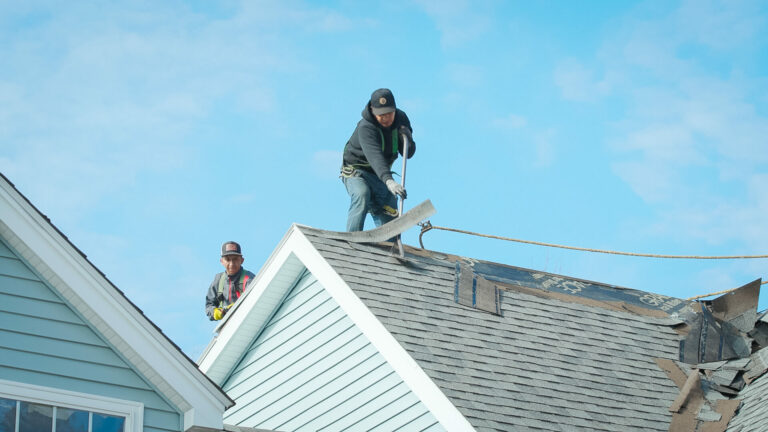
Seasonal storms in Vermont can put your roof to the test, making post-weather event checks a must. Inspecting your roof for damages such as torn shingles or dents in metal panels can prevent minor issues from escalating. Quick response to storm damages is key to avoiding more extensive, and expensive, fixes in the future.
Another step in safeguarding your roof is addressing moss and algae, which thrive in damp environments and can damage roofing materials. Regularly removing any growth will protect your roof’s surface and help maintain its structural integrity. Service offerings like gutter maintenance can play a part in this preventive care, as clear gutters reduce the risk of water pooling and subsequent algae growth.