• Explore various roofing options: Discover the differences between tile, metal, and TPO roofs to find the best fit for your home.
• Consider longevity and maintenance: Understand the lifespan and upkeep requirements of each roofing material to make an informed decision.
• Seek professional advice: Learn why consulting with roofing experts can help ensure a durable and cost-effective roofing choice for your property.
Identifying When a Roofing Update is Essential
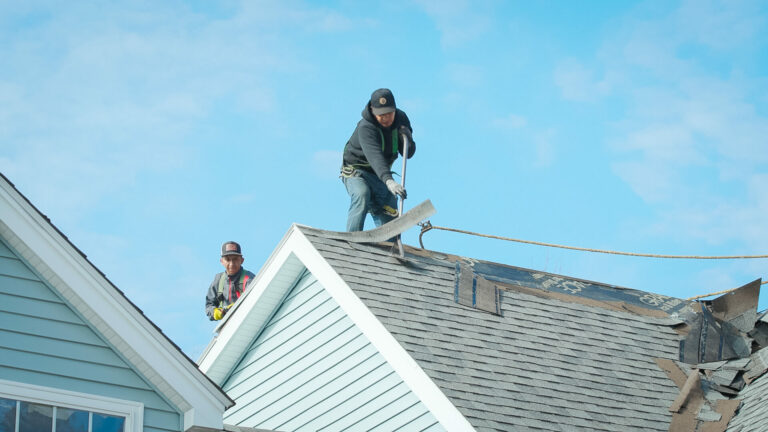
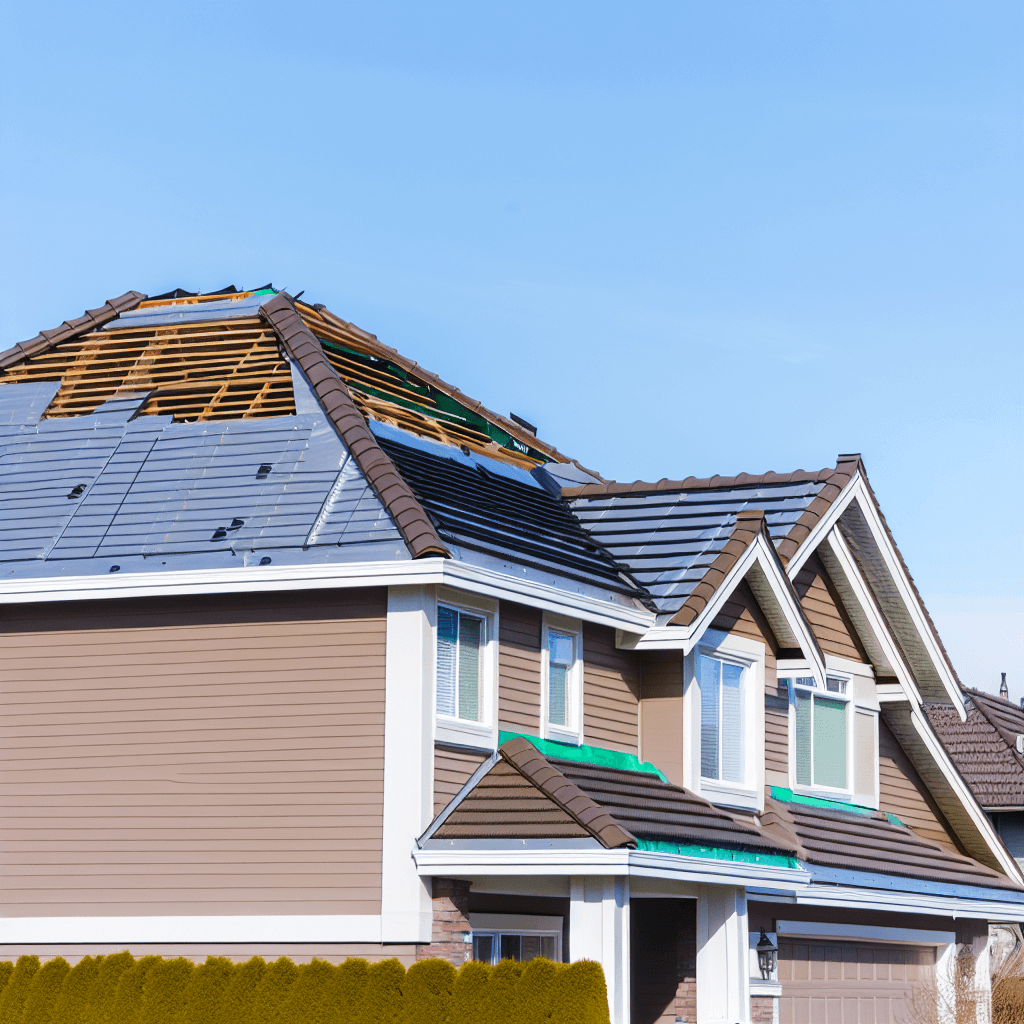
When the leaves begin to turn in Massachusetts, it’s a sign for homeowners to examine their roofs for signs of wear and tear. Missing shingles, frequent leaks, and a sagging roofline are clear indicators that your roof may require attention. As Fall’s heavy rains and potential for snow loom on the horizon, these problematic symptoms can lead to more significant issues if not addressed. It’s essential not only to identify these signs early on but also to understand how they could influence your decision on roofing materials.
Evaluating Material Suitability for Your Home
The choice of roofing material can be influenced greatly by the roof’s slope—flat or steeply pitched—each having its compatibilities. For instance, a slope that’s too shallow may not support the weight of heavy tiles without additional structural reinforcement. On the other hand, a strong pitch can be ideal for metal roofing, offering swift snow runoff and preventing build-up during Massachusetts’ unpredictable fall-to-winter transition. It’s crucial to match the material not just to aesthetic preferences but also to the functional demands of your home’s architecture.
Preparing for the Material-Specific Requirements
Each roofing material brings its unique set of requirements regarding installation and maintenance. Tile roofing is renowned for its longevity and might be a wise choice for a home that aims for a classic aesthetic. However, acknowledge the increased weight it adds and ensure your home can handle this burden. In contrast, metal roofing, while durable and efficient, does bring a different consideration—potential noise during rainfall—which should be weighed if tranquility is a high priority in your household.
Exploring the Longevity of Roofing Materials
When considering a roofing investment, longevity is a key factor—especially in a state like Massachusetts where the seasons can be harsh. Tile roofs boast a lifespan that can exceed 50 years with proper care, making them a solid long-term investment. Metal roofs, while potentially shorter-lived than tile, still offer impressive durability, often lasting 40 years or more. Understanding these timelines can help homeowners make educated decisions, drawing parallels to the comprehensive services provided by Adam Quenneville Roofing & Siding.
Assessing Insulation and Energy Efficiency
It’s not just about resistance to elements; the insulative properties of your roofing material can significantly influence your home’s energy efficiency. Metal roofs reflect solar radiant heat, which can help reduce cooling costs in the summer, and when insulated properly, they can also keep your home warm in the winter. On the other hand, the air channels under tile roofing offer natural ventilation, leading to energy conservation. The proper alignment of material properties with the climate-specific needs of your Massachusetts home is vital in achieving an energy-efficient and comfortable living space.
Step 1: Understand Your Roofing Needs
Consider the weather patterns in Massachusetts, particularly during the Fall, to assess the durability and insulative properties needed. Understand the slope of your roof, as this may affect which materials can be used.
Step 2: Explore Tile Roofing Benefits
Research tile roofing, noting its longevity, resistance to fire, and aesthetic appeal. Consider its weight and ensure your structure can support it, as well as its performance in colder climates.
Step 3: Investigate Metal Roofing Advantages
Look into metal roofing’s durability, energy efficiency, and its performance in areas with snow, like Massachusetts in the Fall. Note its ease of installation and potential for noise during rain or hail.
Step 4: Assess TPO Roofing Features
Delve into the attributes of TPO roofing, including its energy-efficient properties due to its reflective surface. Understand its suitability for flat or low-slope roofs, common in commercial properties.
Step 5: Compare Roofing Material Costs
Compare the upfront costs and long-term value of tile, metal, and TPO roofing. Include installation expenses, maintenance, and potential energy savings when considering overall cost-effectiveness.
Step 6: Consider Aesthetic and Functional Impact
Reflect on how each roofing material will complement your home’s aesthetic and architectural style. Contemplate the visual appeal against the functional benefits each option provides.
Step 7: Evaluate Roofing Contractors
Research local Massachusetts contractors who specialize in your chosen roofing material. Look for those with strong positive reviews during the Fall season, since this can impact installation timeliness and quality.
Step 8: Make an Informed Decision
Review all gathered information and consider how each roofing material aligns with your personal, financial, and aesthetic needs. Consult with a professional to make a final, informed choice on your roofing material.
Steering Clear of Common Roofing Mistakes
Embarking on a roofing project requires careful planning and precision. While DIY approaches can be tempting, they often lead to errors that can compromise your home’s integrity and appearance. Let’s explore some common pitfalls to avoid, ensuring your roofing project in Massachusetts remains sturdy and visually appealing throughout the Autumn season and beyond.
Mistake 1: Neglecting Weather Patterns and Roof Slope
Ignoring local weather and the slope of your roof when choosing a material can result in a poor match for your home. For instance, metal roofing might be optimal for its snow-shedding abilities, but a steep pitch might be required for best performance, making it unsuitable for flatter roofs.
Mistake 2: Overlooking Tile Roofing Weight
Tiles are heavy, and the structural integrity of your home must be verified before installation. Failure to do so can lead to structural damage, making the roof unsafe. Always consult a professional to ensure your home can support the weight of a tile roof.
Mistake 3: Disregarding Metal Roofing Sounds
The acoustic properties of metal roofing can come as a surprise post-installation. If not prepared, the sound of rain and hail on metal can be loud and disruptive. Consider adding insulation to dampen noise, or if peace is a priority, explore other material options.
Mistake 4: Misjudging TPO Roofing Suitability
TPO roofing is perfect for flat or low-slope roofs, but not all homes can accommodate this style. Misapplying TPO to incompatible roof types can lead to water pooling and leaks. Assess your roof’s design thoroughly or seek expert advice before proceeding.
Mistake 5: Underestimating Roofing Costs
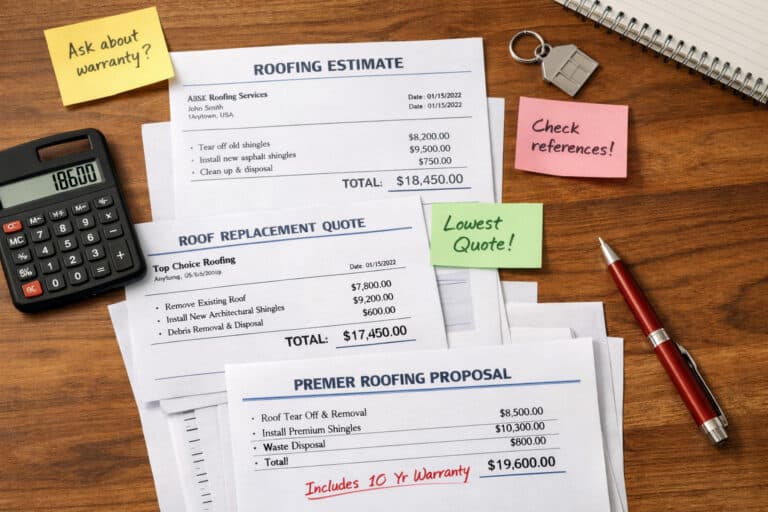
Budgeting inaccurately for your new roof can lead to half-completed projects or the need to compromise on material quality. It’s essential to factor in long-term value, maintenance, and installation costs, not just the price per square foot. Take advantage of free estimates from contractors to get a realistic budget plan.
Mistake 6: Ignoring Aesthetic Harmony
Choosing a roofing material that clashes with your home’s architecture or the neighborhood’s style can negatively impact your property’s value. Consider the visual impact of your roofing choice as seriously as its functional benefits. Materials should enhance, not detract from, your home’s overall appearance.
Mistake 7: Choosing the Wrong Contractor
Opting for contractors without the right experience or positive local reviews during your roofing selection can be detrimental. The Fall season in Massachusetts requires knowledgeable professionals who can work efficiently before the winter set in. Validate the track record of your contractors to ensure a quality installation.
Mistake 8: Rushed Decision-Making
Rushing to decide on a roofing material without thorough research may lead to regrettable choices. Spend time understanding how each option meets your financial, aesthetic, and durability needs. A hasty decision can be costly in the long run, so seek professional consultations to guide your final selection.
The Aesthetic Impact of Your Roofing Choice
The roofing material you select plays a substantial role in defining the look and curb appeal of your Massachusetts home. A tile roof can impart a classic, elegant look with its varied colors and textures, while a metal roof offers a sleek, modern feel. It’s vital to choose a style that complements your home’s architecture and aligns with the neighborhood aesthetic, ensuring that your choice enhances your property’s value.
Consulting the Professionals
Choosing the right roofing material is a complex decision, and professional guidance can be invaluable. Experts in the industry will assess your home’s specific needs, taking into account Massachusetts’ distinctive fall weather. For comprehensive advice and a thorough evaluation, consider reaching out to Adam Quenneville Roofing & Siding, who can offer personalized solutions that balance both function and form.