• Deciding between roof repair and overlay: Explore the factors to consider when choosing the best option for your roofing needs.
• Professional insight on roofing solutions: Learn why seeking expert advice is crucial for long-term durability and cost-effectiveness.
• Stay informed with the latest roofing trends and projects: Visit our social media page for updates and professional guidance.
Identifying the Need for Action
As the sun sets a little earlier each evening over Rhode Island, the crisp air of fall brings a reminder to homeowners about the importance of roof maintenance. Looking up at your own abode, you may notice certain disconcerting signs that speak to the urgency of roof assessment. From misplaced granules littering the gutters to shingles that appear cracked or are outright missing, these are clear indicators that intervention is necessary. It’s these early signs of wear and tear that, if left unchecked, can escalate to leaks and more significant structural concerns.
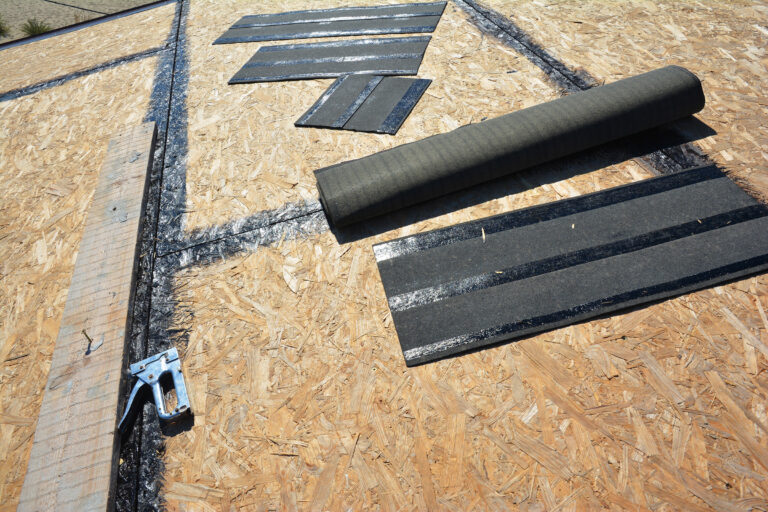
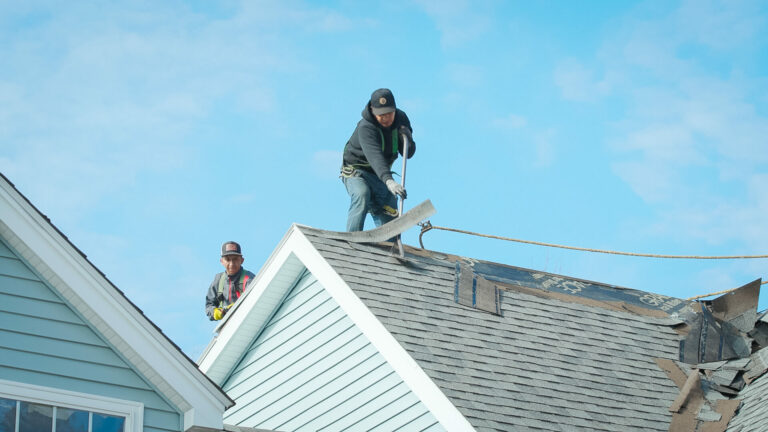
Distinguishing between a simple repair issue and the need for an overlay requires a fundamental understanding of each process. Roof repair usually addresses isolated damage, patching up small areas that have been compromised. In contrast, opting for an overlay means installing a brand new layer on top of your existing shingles, a more comprehensive approach to refreshing your roof’s defenses against the elements. Recognizing the difference is crucial, as it informs the extent and nature of the project you’ll undertake.
The age of your roof plays a pivotal role in determining the most prudent path forward. A rule of thumb suggests that roofs nearing or beyond two decades merit consideration for an overlay, offering a new lease on life over mere spot repairs. While assessing, don’t just tally the years; also consider the financial angle. Repairs, though often less costly up-front, could cumulate to exceed the expense of an overlay if frequently needed, hence weighing both options against each other is essential for a sound, long-term investment in your home.
Understanding Roof Repair and Overlay
Embarking on roof maintenance is not a task to be taken lightly; it’s a balance between thoroughness and practicality. Roof repair is best suited for issues that are localized and superficial, such as a few broken shingles or a minor leak that can be swiftly remedied. This option not only resolves the immediate problem but also preserves the majority of the existing roofing structure. Meanwhile, a comprehensive overlay can be seen as giving your home a protective shield, providing added resilience against future wear and the unpredictable elements of Rhode Island’s distinct seasons.
When deliberating between the two, it’s not just about inspecting your roof; it’s about looking to the future of your home’s safeguarding. An overlay, while bearing a higher initial cost, can extend the lifespan of your roof significantly and is a sensible choice if your roof has aged beyond prudent repair. If uncertainty clouds your decision, remember that professional guidance is only a click away at Adam Quenneville’s roofing services. Here, a team of experts stands ready to advise you, offering tailored solutions that adhere to the unique demands and expectations of your living space.
Step 1: Assess Your Roof’s Current Condition
– Begin by evaluating the existing state of your roof. Look for signs of damage such as missing or broken shingles, leaks, or areas with excessive wear and tear.
Step 2: Understand the Difference Between Repair and Overlay
– Educate yourself on what roof repair entails—typically fixing localized damage—versus an overlay, which involves adding a new layer of shingles over the old ones.
Step 3: Consider the Age of Your Roof
– Take into account the age of your existing roof. Roofs over 20 years old may benefit more from an overlay than a repair, which can be a short-term solution.
Step 4: Evaluate the Financial Implications
– Compare the costs of both options. Roof repairs may be less expensive short-term, but overlaying might offer better longevity and value in the long run.
Step 5: Analyze the Pros and Cons of Each Option
– List the advantages and disadvantages, such as the time required for each process, the impact on your home’s insulation and ventilation, and potential increase in roof weight from an overlay.
Step 6: Check Local Building Codes
– Investigate Rhode Island’s building codes regarding overlays, as they may limit the number of layers allowed on a residential roof.
Step 7: Seek Professional Advice
– Consult with a roofing specialist in Rhode Island to get expert advice tailored to your specific situation and to ensure that your decisions align with the season’s weather patterns.
Step 8: Make an Informed Decision
– Based on the information gathered, decide on the best course of action. If you choose to repair, identify the specific areas that need attention. If an overlay is the better route, plan for the scope and timing of the project, considering the fall weather in Rhode Island.
Steering Clear of Common DIY Roofing Errors
Tackling roof repairs or overlay projects can be a daunting DIY challenge, and even the most diligent homeowners can stumble into familiar pitfalls. Understanding these common blunders is critical to the success of your roofing project. Let’s unveil these traps to ensure your efforts lead to a sturdy, leak-free roof rather than costly, head-aching setbacks.
- Mistake 1: Neglecting Safety Precautions
– Forgetting to prioritize safety can lead to severe accidents. Always use a secure ladder, wear non-slip shoes, and use a safety harness system when working on the roof. - Mistake 2: Inadequate Damage Assessment
– Failing to thoroughly inspect your roof may result in overlooking underlying issues. Double-check for less obvious problems like minor leaks or water damage to ensure all issues are addressed. - Mistake 3: Misjudging the Scope of the Repair
– Underestimating the extent of the damage often leads to partial fixes that don’t solve the root problem. Be realistic about the scope; when in doubt, consult with a professional to gauge whether a simple repair or full overlay is necessary. - Mistake 4: Ignoring Local Building Codes
– Skipping the research on local building codes in Rhode Island could render your hard work non-compliant and unsafe. Ensure you’re up to speed with regulations concerning overlays and repairs to avoid legal hassles and wasted efforts. - Mistake 5: Choosing Low-Quality Materials
– Opting for cheaper, inferior materials might save you money upfront, but they can lead to premature wear and future repairs. Invest in quality materials that can withstand Rhode Island’s diverse seasonal weather. - Mistake 6: Overlooking Weather Conditions
– Attempting repairs or overlays without considering the seasonal climate is a recipe for disaster. Schedule your roofing activities based on Rhode Island’s fall weather patterns for the safest, most efficient results.
Financial Implications and Value Considerations
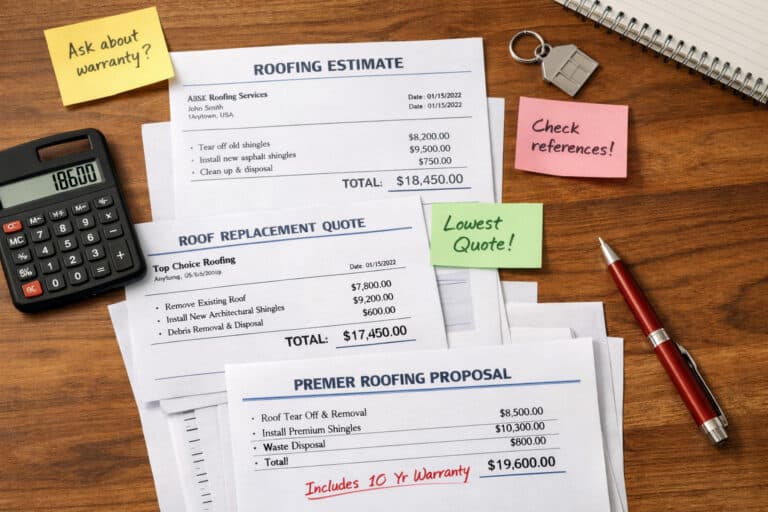
When faced with roofing decisions, it’s crucial to navigate the financial terrain wisely. Knowing the cost differences between repairs and an overlay, you can arm yourself with a budget that fits your financial landscape. A detailed cost analysis can reveal the more economical path, whether it’s immediate repair or investing in the longer lifespan offered by an overlay.
Planning for the future is intrinsic to making the best roofing choice for your home. While repairs might offer a quick fix, an overlay could circumvent the need for frequent, future outlays. For a detailed consultation on what option suits your fiscal forecast best, explore Adam Quenneville’s residential roofing services.