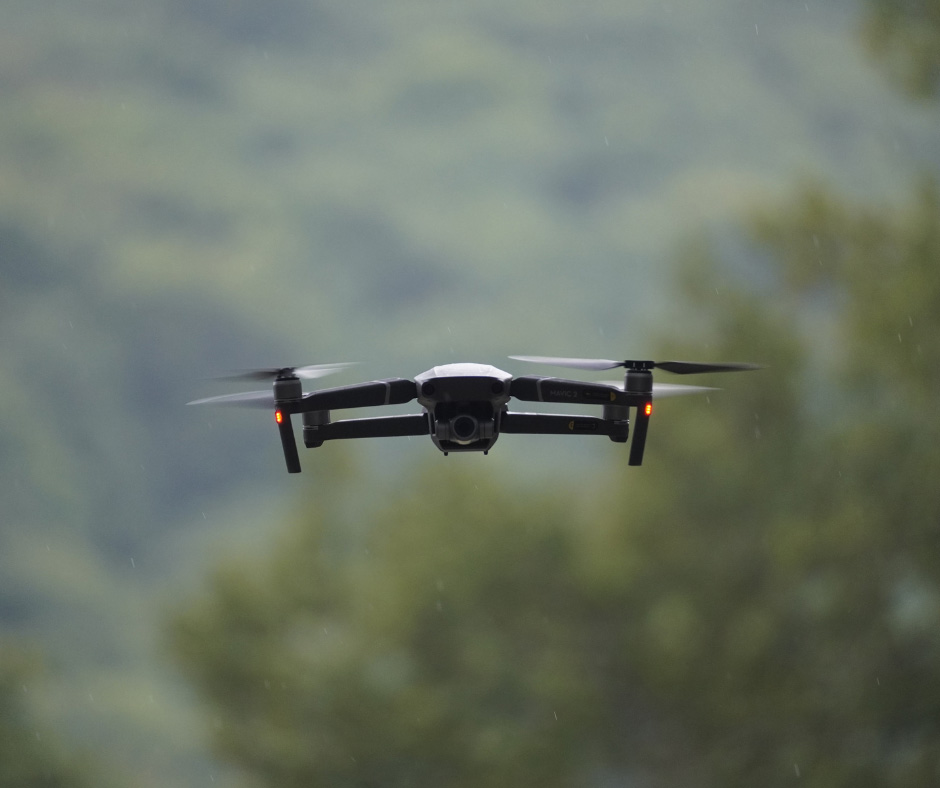
If you’re shopping for a roof repair or replacement, chances are you’ve heard a contractor say, “We can inspect it with a drone.” For some homeowners, that sounds great: no ladders, no strangers walking around on the roof, and a faster quote.
But right after that thought about convenience comes the real concern: Will a drone miss something important?
That fear is valid. A roof inspection isn’t just about taking a few pictures. It’s about spotting problems early, avoiding surprises once the job starts, and making sure the recommendations you’re getting are based on what’s actually happening with your roof.
At Adam Quenneville Roofing and Siding, we can use drones as part of our inspection process because they can be incredibly helpful. But we also know when a drone isn’t enough.
In this article, we’ll break down where drone inspections are highly accurate, where they can fall short, and what questions to ask so you can feel confident in the inspection you’re getting, whether you choose us or not.
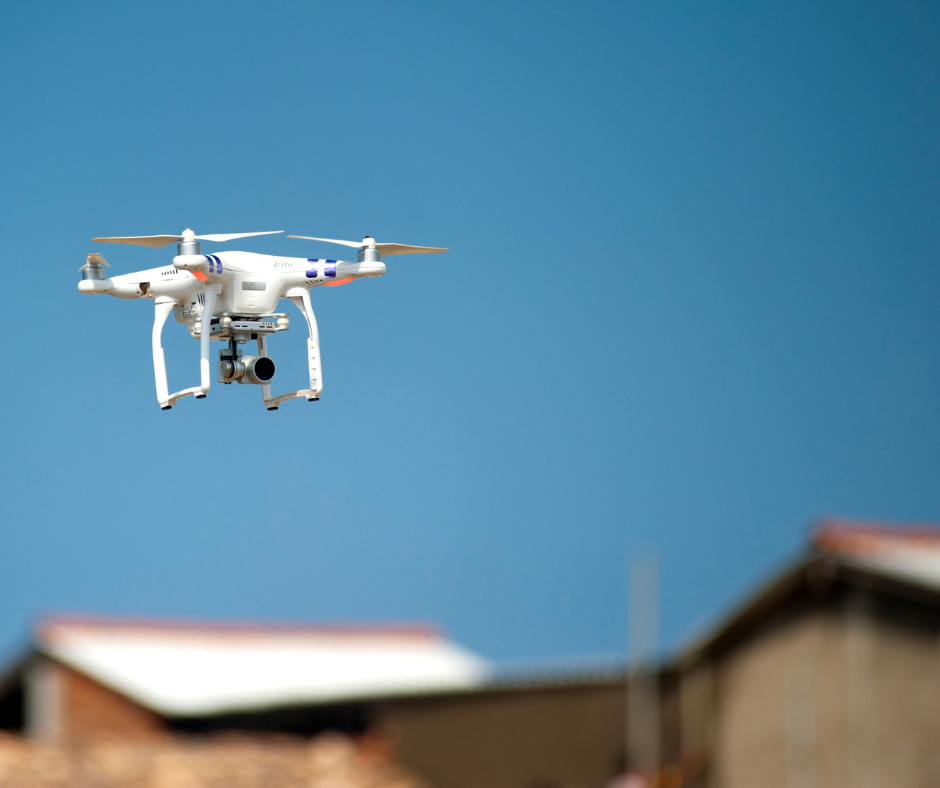
Why Are Drone Roof Inspections Becoming More Popular?
Drone inspections have become a hot topic because the technology is suddenly everywhere, and homeowners are trying to figure out what it means for their roof.
When people ask about drones, it usually falls into one of three buckets:
- They’re curious and want to see what you can see. A lot of homeowners have never viewed their roof up close, and aerial photos make the condition feel more real and easier to understand.
- They have privacy questions. Some people want clarity on what’s being recorded, where the drone will fly, and how photos/video are stored or shared.
- They’ve seen insurance use drones. More homeowners are telling us an insurance carrier used a drone after a storm or for a roof condition check, so they assume contractors should do the same or wonder if drone inspections are becoming the new standard.
With that context, the real question isn’t “Are drones good or bad?” It’s what a drone inspection can accurately tell you and what still needs an up-close, in-person check.
Quick Definition: What Counts as a “Drone Roof Inspection”?
The term “drone inspection” can mean very different things depending on the company. That’s why it helps to define what’s usually included.
What a drone inspection typically includes
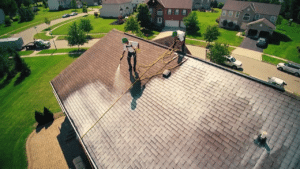
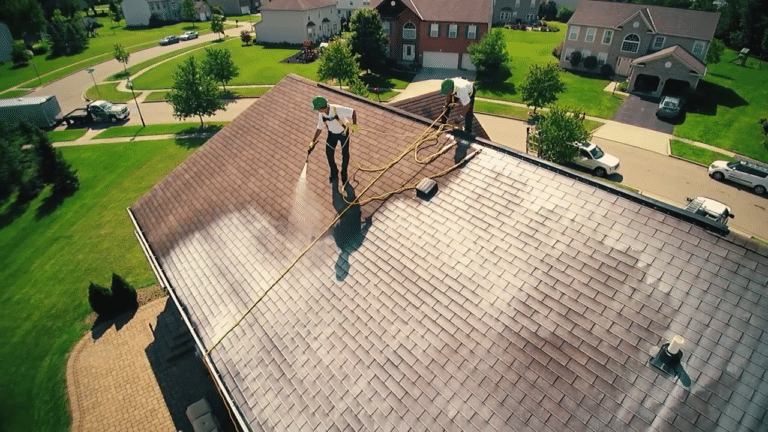
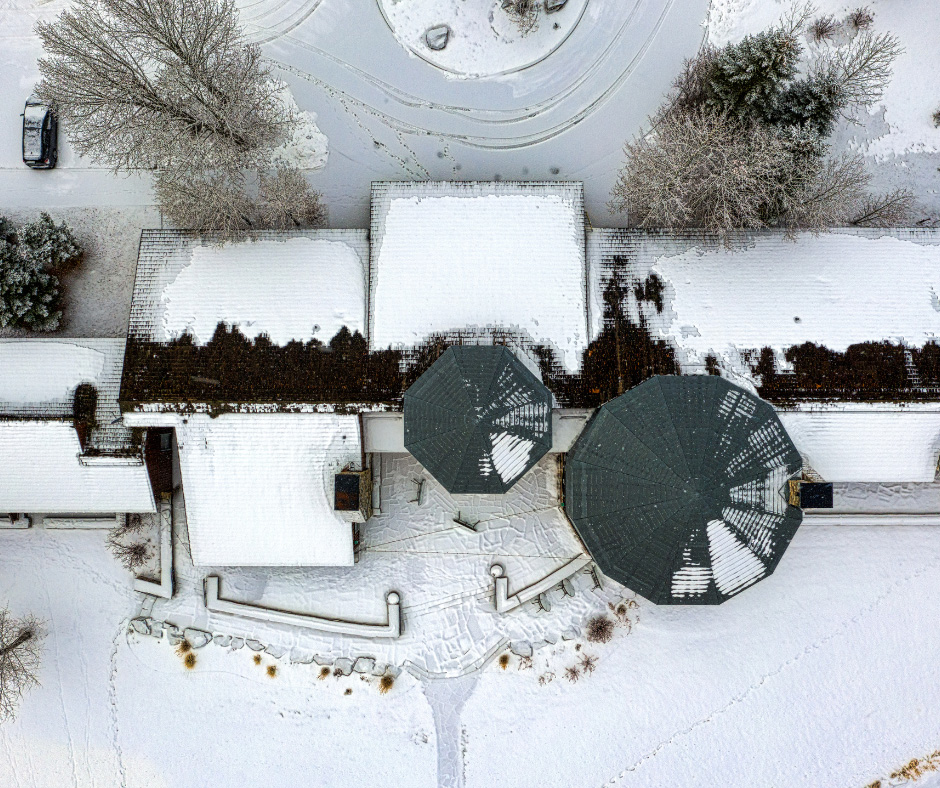
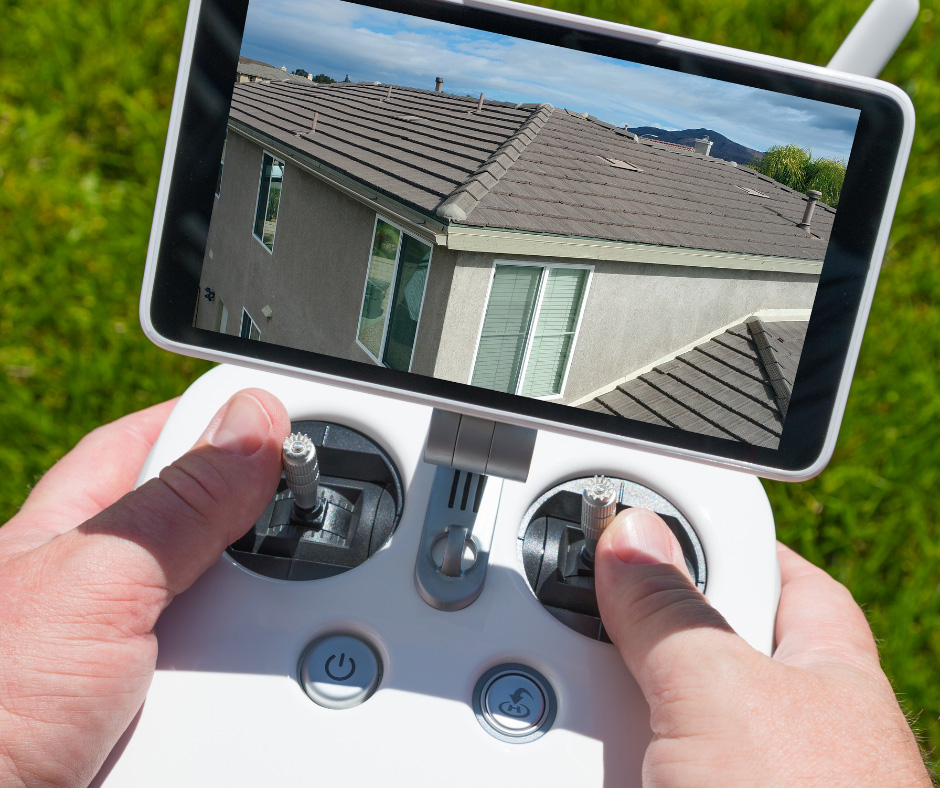
A drone inspection usually involves high-resolution photos and video of the roof surface, things like shingles, ridges, valleys, flashing lines, chimneys, skylights, and pipe penetrations. Many companies also use software tools to create measurements like roof squares, pitch, and slope.
This is especially helpful for documentation and estimating materials, and it can capture angles that are hard to see from the ground.
How does it compare to an in-person roof inspection? What an in-person roof inspection typically includes
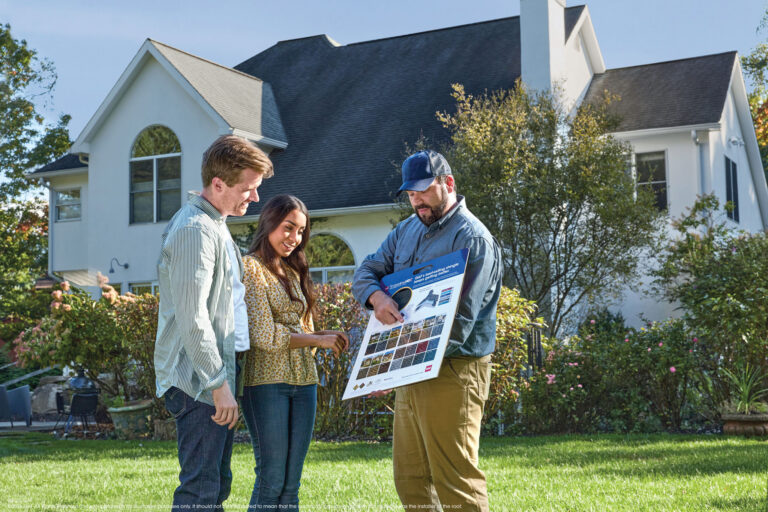
An in-person inspection may include walking the roof (when safe and appropriate), closely examining flashing and transitions, and checking details that can be hard to confirm from images alone.
In-person inspections often expand beyond the roof surface as well, to gutters, edges, fascia, and, for us, the attic, because many roof problems don’t start and end at the shingles.
At Adam Quenneville Roofing and Siding, a “standard inspection” means we’re not just looking at shingles from the ground and guessing. We’re checking the full roof system for the most common failure points and anything that could affect performance, leak risk, or the scope of work.
Here’s what we check every time:
- Shingle condition (asphalt roofs): We look for tears, granule loss, seal failure, and any signs that the shingles are breaking down early.
- Organic growth and staining: We note roof growth like algae, lichen, or moss, both for roof health and to flag moisture/shade patterns.
- Valleys and chimneys: These are high-risk areas, so we inspect for wear, debris buildup, and failure points that commonly cause leaks.
- Wall-to-roof flashing and transitions: We look for improper flashing, missing siding where it meets the roofline, and any signs that water could be getting behind the system.
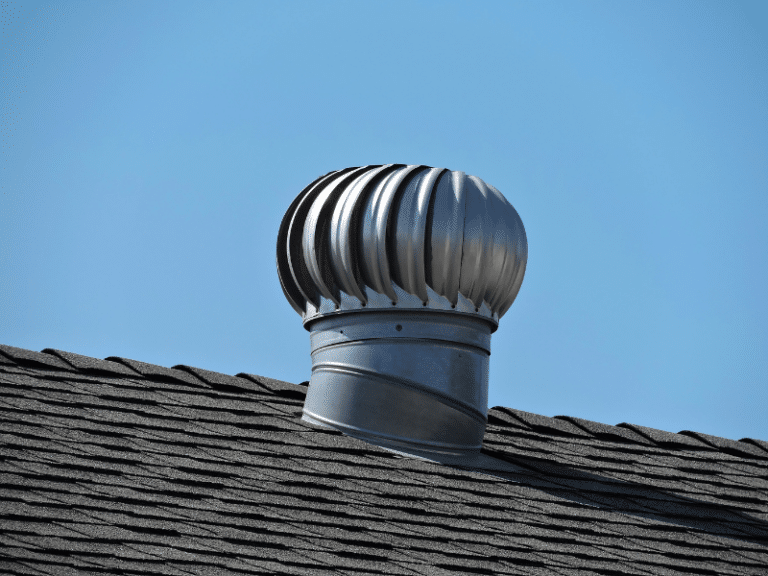
- Ventilation: We check roof ventilation components and look for signs that ventilation may be inadequate for the home.
- Penetrations and accessories: Pipe boots, skylights (if present), and any other roof accessories that can fail over time.
- Decking and structure indicators: We look for signs that the roof decking may be compromised (and confirm more when attic access is appropriate).
- Fascia boards and edges: We inspect roof edges, fascia condition, and areas where water damage often shows up first.
- Low-slope areas: If the home has any low-slope sections, we treat them differently because they don’t behave like steep-slope shingle roofs.
- Gutters and drainage: We check gutters and drainage patterns, because poor water management can create roof problems (or make existing ones worse).
What changes based on roof type, age, and the homeowner’s concerns is how deep we go in specific areas. For example, if you’re dealing with a leak, we focus more on valleys, flashing, penetrations, and (when possible) attic evidence. If it’s a replacement quote, we focus more on system-wide scope, accessories, ventilation needs, and anything that could affect final pricing once the tear-off begins.
Where Drone Inspections Are Highly Accurate
When drones are used correctly, they can deliver excellent accuracy in specific areas, especially early in the homeowner’s research phase when they’re trying to understand options and get their bearings.
Identifying obvious exterior issues
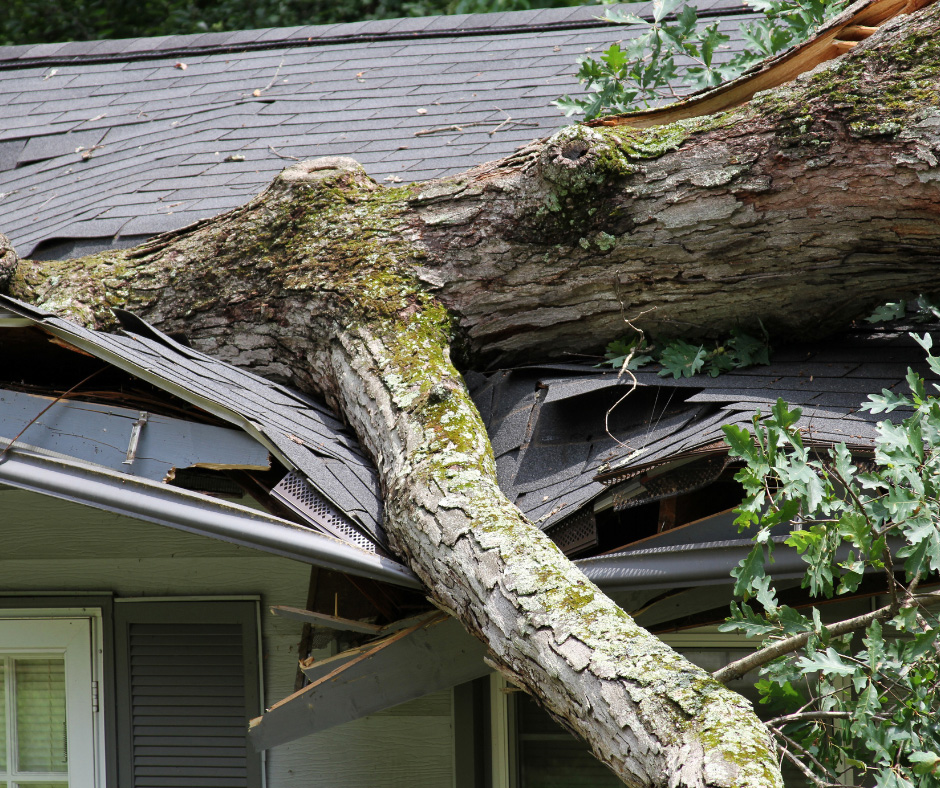
Drones are also great at spotting clear, visible exterior problems. Missing shingles, lifted tabs, storm impacts, tree damage, damaged ridge caps, and visibly displaced flashing can often be identified quickly.
They’re especially useful when the roof is steep or unsafe to walk on, or when a homeowner wants visual proof of what the contractor is seeing.
Documenting the condition for homeowners (and sometimes insurance)
One of the biggest benefits of drone inspections is documentation. Good photos help homeowners understand recommendations without taking anyone’s word for it.
And if you’re dealing with structural damage, high-quality drone imagery can be helpful when communicating with insurance, especially when damage is visible and clearly documented.
Where Drone Inspections Can Fall Short
This is the part many companies avoid talking about. But if you’re trying to make a smart decision, you deserve the full picture.
Issues that require touch or close-up detail
Drones are great at capturing overall roof conditions and spotting obvious damage, but som problems can’t be confirmed from photos alone. If something is subtle or if it involves what’s happening under the shingles, an in-person inspection is usually needed.
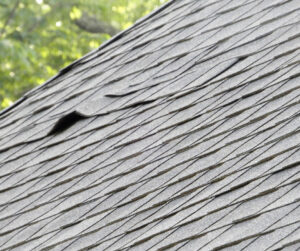
Here are the most common items drones can’t reliably confirm:
- Number of shingle layers (one vs. two vs. three), especially when edges are sealed or hidden
- Soft, rotted, or compromised decking, because drones can’t detect “spongy” wood under shingles
- Shingle seal integrity (whether shingles have properly bonded or are starting to lift)
- Small flashing failures, like hairline cracks, pinholes, or early separation at joints
- Nail pops that are just starting to lift shingles or create tiny entry points for water
- Pipe boot wear (dry cracking, splits, or failing seals that don’t show clearly from above)
- Sealant failures around penetrations (vents, skylights, chimneys) that need close-up confirmation
- Early wear patterns (like subtle granule loss) that can signal material aging, but are hard to diagnose from aerial images
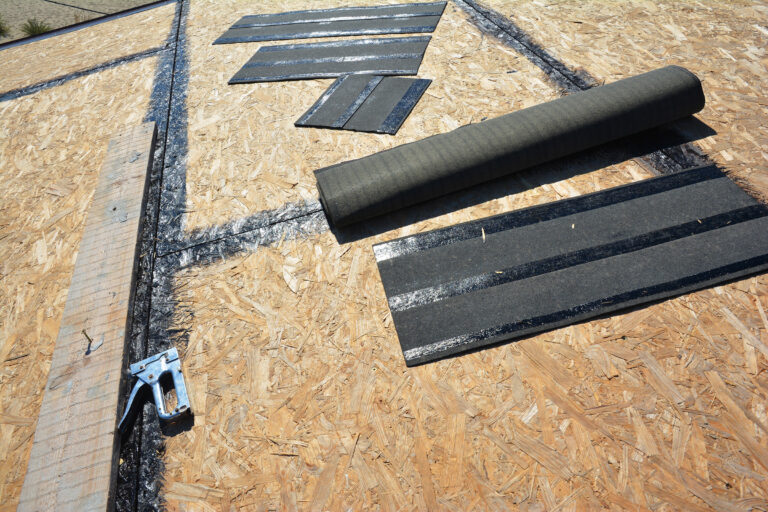
- Underlayment condition or improper detailing beneath shingles, since drones can’t lift materials to verify what’s underneath
A drone can show that something looks “off,” but it can’t lift shingles, test softness, or confirm whether a small detail is cosmetic or an early failure. That’s why drone imagery is best used as part of a broader inspection, not a total replacement for hands-on evaluation when accuracy matters.
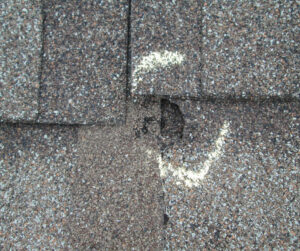
And while drone imagery is helpful, it can’t lift shingles, inspect what’s underneath, or detect rotted or weakened wood decking. This is especially important when evaluating newer roofs that may have hidden structural concerns, even if there are no obvious leaks yet.
Knowing this, a proper roof assessment often requires a hands-on inspection to confirm what’s happening beneath the surface, something a drone simply can’t do.
Hidden problems drones can’t see
A drone can’t see what’s happening under the shingles. It can’t confirm soft decking, hidden rot, moisture intrusion paths, or ventilation problems.
That matters because many homeowners aren’t just looking for “Does it look damaged?” They’re trying to answer bigger questions:
- Why does my roof keep leaking?
- Why am I getting ice dams?
- Why does my upstairs get so hot?
Those answers often live in the attic and the roof system, not the surface.
Bad weather conditions can reduce image quality
Even the best drone doesn’t control the weather. Wet shingles, glare, shadows, snow cover, leaf coverage, or tight roof angles can reduce how much detail the camera can capture.
This doesn’t make drones “bad.” It simply means the inspection method needs to match the situation.
While drone photos are a great starting point for spotting obvious damage or layout issues, they often miss critical problems that require close-up inspection or a physical touch.
In short, drones are excellent for high-level visibility, but relying on them alone often means missing the very issues that lead to leaks, warranty voids, or unexpected costs during replacement.
Drone vs. In-Person Roof Inspections: Which Is Better?
A good inspection isn’t about choosing a side. It’s about using the right approach for the homeowner’s specific goal.
If your goal is a fast roof quote
If you’re early in the process and primarily need measurements, drone inspections can be a great way to speed things up and reduce guesswork.
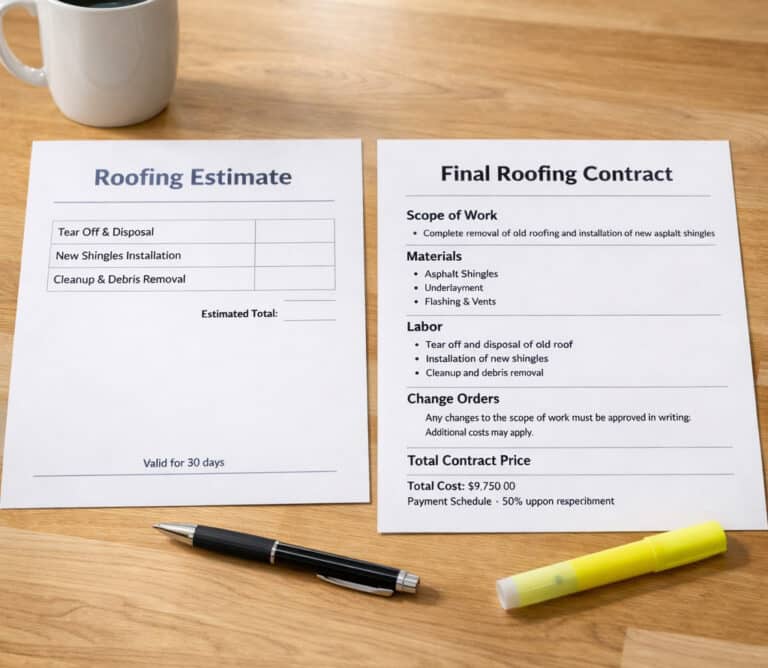
That said, if the quote is meant to become a final contract, you still want clarity on what’s included, what’s assumed, and what could change once the roof is opened.
If your goal is to diagnose a leak
Leak diagnosis is where drone-only inspections often fall short.
A drone may help identify likely exterior suspects, like damaged flashing at a chimney or a compromised pipe boot. But confirming the true source often requires an in-person evaluation and sometimes an attic inspection.
If your goal is storm damage evaluation
For storm damage, we typically recommend starting with a drone inspection to safely capture photos of the roof and document any clear damage. If the roof shows potential “gray area” issues, like creasing, lifted edges, or suspected secondary damage, we follow that up with a close-up inspection to confirm what’s actually compromised.
If your goal is to prevent surprises during replacement
If your goal is to avoid change orders, delays, and unexpected decking or ventilation upgrades mid-project, a drone inspection alone usually isn’t enough.
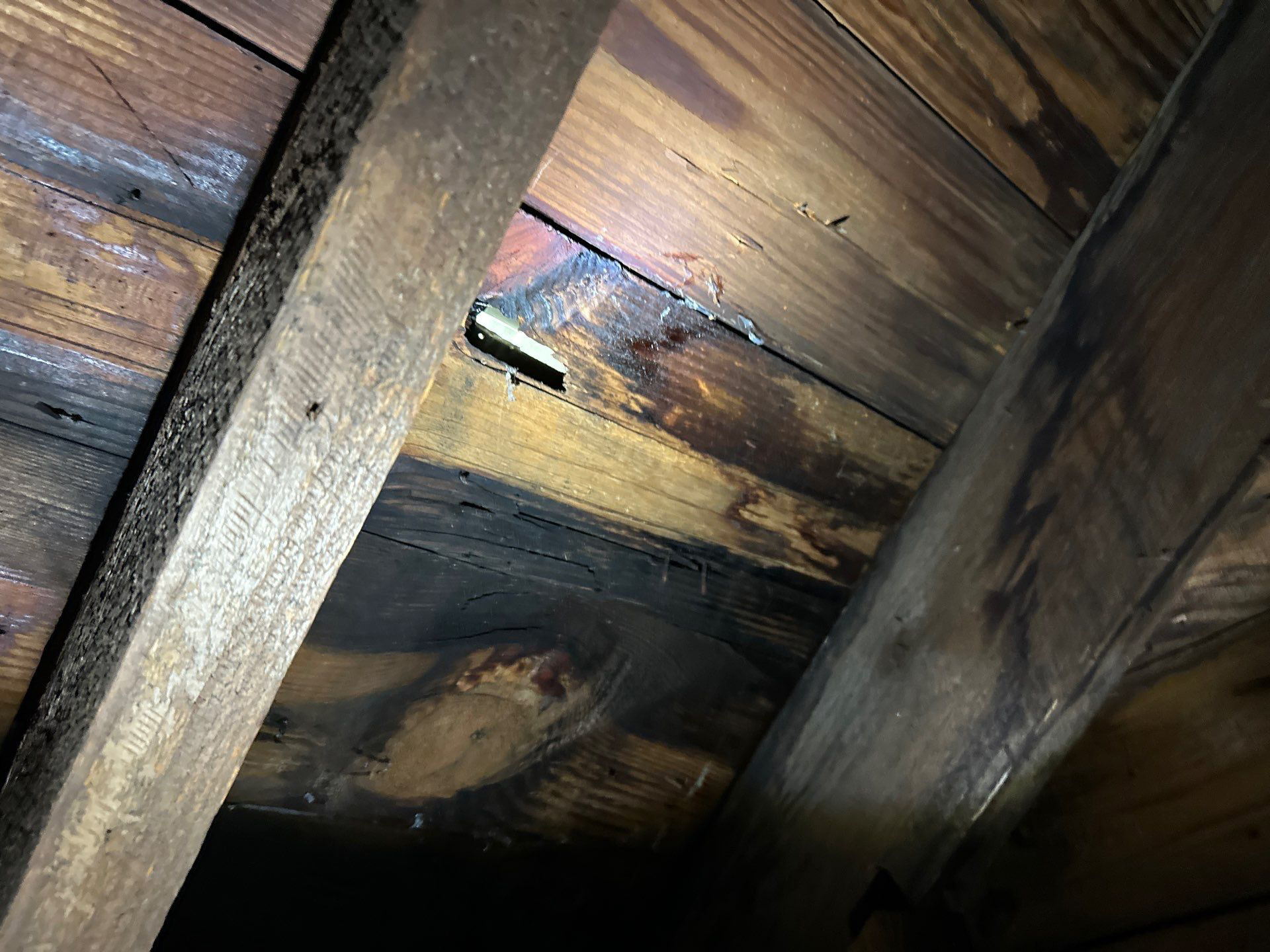
That’s why we always check the attic when possible. It’s a critical part of a thorough inspection. The attic gives us visibility into:
- Hidden leaks, moisture, or mold that haven’t appeared on the surface
- Soft or rotted decking from the underside
- Inadequate or blocked ventilation
- Bath fans or dryer vents dumping warm air into the attic
- Signs of ice damming, insulation gaps, or airflow issues
A professional contractor uses drones for measurement and documentation but relies on attic access to verify the conditions that truly impact scope, cost, and long-term performance.
Are Drone Roof Inspections Accurate Enough for Insurance Claims?
Sometimes, depending on the situation.
If the damage is obvious (missing shingles, punctures, tree impact, displaced components), drone documentation can be very useful. Clear photos make it easier to show what happened and where.
But insurance claims often require more than images. Adjusters may want verification of collateral damage, supporting documentation, or a physical inspection.
The bigger point is this: the value isn’t in “having drone footage.” The value is in having a clear report and a contractor who knows how to document roof conditions properly.
What Questions Should You Ask a Roofer Who Uses Drones?
If a roofer offers a drone inspection, that’s not automatically a good or bad sign. The key is understanding how they use the tool.
Ask these questions:
- Do you combine drone imaging with in-person checks?
- Will you inspect flashing, penetrations, and roof-to-wall transitions up close?
- Will you check the attic for ventilation or moisture when relevant?
- How do you handle areas the drone can’t capture well?
- Will you provide a photo report and explain findings in plain language?
A roofer who welcomes these questions is usually one who isn’t trying to rush you.
How Adam Quenneville Roofing and Siding Uses Drones
We’re relatively new to using drones for inspections and during active projects, and we’ll be the first to tell you: we don’t believe a drone replaces a trained roofer.
We still prefer human eyes up close on every project. The difference is that drones give us a safer, clearer way to see certain areas that can be difficult or risky to access during an initial inspection.
Here’s how we use drones today:
- Hard-to-reach areas: If a roof section is high, tight, or obstructed, a drone helps us capture clear visuals without guessing from the ground.
- Steep or dangerous slopes: If the pitch, height, or conditions make it unsafe for an inspector to walk the roof at that time, we’ll use a drone to get the information we need safely.
- During the job: We also use drones mid-project to capture helpful aerial photos and footage we can share with homeowners. It’s a great way to show progress, document details, and help you understand what’s happening on your roof, and frankly, it’s cool.
What we don’t do is rely on drone footage alone as the entire inspection. When the situation calls for it, especially for leak diagnosis, flashing details, or replacement planning, we pair drone imaging with in-person evaluation and always with an attic inspection (if possible). Our goal is simple: give you clear information, reduce surprises, and recommend the right solution for your home.
At Adam Quenneville Roofing and Siding, the only time we rely on drone-only inspection is when it’s unsafe or physically impossible to access a roof area during the initial visit.
In every other case, we perform an in-person roof walk and an attic inspection. These steps are essential for spotting hidden damage, verifying the structure, and planning accurately, especially for leak diagnosis, flashing work, and full replacements.
Drones are a powerful tool in our process, but they never replace the trained eye of a roofer on the roof and in the attic.
The Most Accurate Inspection Is Usually a Hybrid
Drone inspections are highly accurate for measurement, documentation, and identifying obvious exterior issues. In-person inspections are often better for diagnosing subtle failures, confirming flashing and transition details, and catching hidden system problems.
In most cases, the most accurate approach is a hybrid: use the drone for what it does best, then verify what needs a closer look.
If you’re comparing contractors, don’t just ask whether they use drones. Ask how they inspect, what they document, and what they’ll do to reduce surprises once the project starts.
Next step: If you’re not sure whether a drone-only inspection is enough for your roof, the easiest way to know is to have both done the right way. Schedule a Roof Inspection with Adam Quenneville Roofing and Siding, and we’ll document the roof with drone imagery, verify any question marks up close, and explain what it all means before you commit to anything.