• Understanding Roof Underlayment: Discover the function and significance of roof underlayment in protecting your home from water damage and the elements.
• Types of Roof Underlayment: Learn about the three primary types – asphalt-saturated felt, rubberized asphalt, and non-bitumen synthetics – and how to choose the right one for your climate and roofing material.
• Professional Installation: Recognize the benefits of having a professional install your roof underlayment for maximum efficiency, durability, and peace of mind, ensuring your roof’s longevity.
Recognizing Warning Signs
Before we delve into roof underlayment types and their benefits, it’s imperative to understand the signs of underlayment failure. A telltale sign that issues lurk beneath your shingles is the presence of water stains on your ceilings or walls, which suggest that moisture has already bypassed your roofing materials. Homeowners may also notice missing, damaged, or curling shingles, which can indicate that the underlayment is no longer providing adequate protection. Especially as Maine enters the fall season, when rainfall increases and temperatures start to drop, paying close attention to these problematic signs can save you from costly repairs down the line.
The Vital Barrier Against the Elements
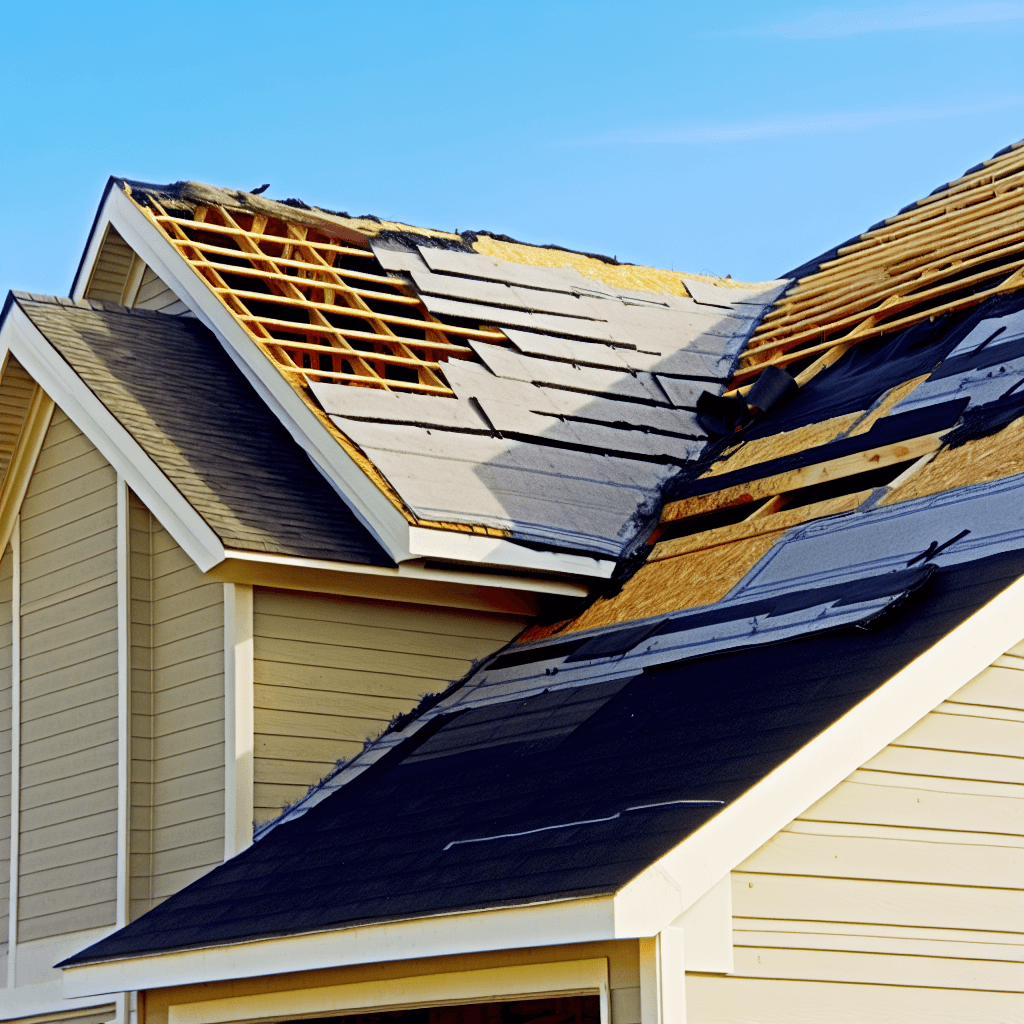
The roof is your home’s first line of defense against the elements, and beneath the shingles lies the hero of water and ice defense—the underlayment. This silent protector is often overlooked until problems arise, but savvy homeowners will recognize its importance in preserving the integrity of their living spaces. In the brisk fall months of Maine, a robust underlayment is essential to combat potential water infiltration from heavy rains and early snow. Hence, identifying its deterioration early ensures that the sanctity of your home remains uncompromised.
Preparing for the How-To Guide
As we prepare to navigate the How-To process of selecting and maintaining the proper roof underlayment, it’s crucial to assess the state of your current roofing system. Look out for granules in the gutter, a sign of shingle wear, or soft spots on the roof, hinting at decking damage. These conditions can severely impact the performance of your underlayment. By being proactive, you can ensure the longevity of your roof and the safety of your home, particularly during Maine’s temperamental fall weather.
Delving into the Materials
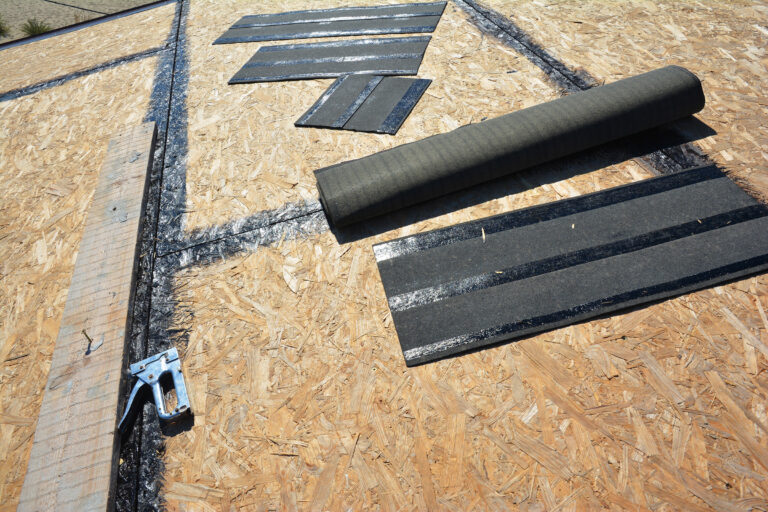
Diverse roof underlayment types present varied benefits to fortify your home against Maine’s unpredictable weather. Asphalt-saturated felt, traditionally favored for its reliability, offers a basic level of protection suitable for many residential roofs. However, for homes in areas prone to extreme weather, synthetic underlayments, with their superior durability and resistance to water penetration, can be a game-changer. Each material’s nuances are instrumental in determining long-term roofing health and efficacy.
Selecting the Right Match for Your Home
Choosing the right underlayment requires matching your roof’s specific needs to the features of these materials. For homeowners in Maine facing the challenges of fall, options like rubberized asphalt provide an extra layer of security with their self-healing properties and adherence that can withstand heavy rain and wind. Deciding on an underlayment involves considering factors such as the pitch of your roof and the type of shingles used; these details influence the compatibility and performance of the underlayment. For expert guidance, a visit to Adam Quenneville’s roofing services can offer valuable insights into the best solution for your particular needs.
Step 1: Understand the Importance of Roof Underlayment
Begin by educating on what roof underlayment is and why it’s a critical component for homes in Maine, especially during harsh fall weather. Explain its role as a barrier against water and ice infiltration.
Step 2: Explore Types of Roof Underlayment
List and describe the different types of roof underlayment: asphalt-saturated felt, rubberized asphalt, and non-bitumen synthetics. Include their benefits and particular suitability to the fall season in Maine.
Step 3: Assess Your Roofing Needs
Guide homeowners through evaluating their roof’s condition, considering factors like local climate, roof pitch, and shingle material. This assessment will help them choose the best underlayment.
Step 4: Select the Appropriate Underlayment for Weather Protection
Discuss how each underlayment type performs against Maine’s fall weather elements such as rain, wind, and potential early snow.
Step 5: Prepare for Installation
Detail the tools and preparation needed before installing the underlayment, such as cleaning the roof deck and checking for damages that need repair before underlayment application.
Step 6: Install the Roof Underlayment
Provide a general guide on how to lay the underlayment, starting from the lower edge of the roof and working upwards, ensuring that each layer overlaps adequately for moisture protection.
Step 7: Maintain Your Roof Underlayment
Offer tips on maintaining the underlayment and the overall roof structure. Include inspection tips and signs to watch for that indicate it’s time for maintenance or replacement.
Step 8: Consult a Professional for Installation and Maintenance
Advise on the importance of having a professional assess and install the underlayment, especially given the specificity of Maine’s climate and the critical role underlayment plays in roof health.
Avoiding Common Underlayment Installation Mistakes
While a successful DIY project can be a source of pride, certain missteps in installing roof underlayment can lead to significant setbacks. These mistakes can not only diminish the effectiveness of the underlayment but also lead to costly repairs in the future. With the proper knowledge and preparation, most of these errors are entirely avoidable, ensuring your roof remains secure against Maine’s harsh fall weather.
- Mistake 1: Incorrect Overlap of Underlayment Sheets
Avoiding incorrect overlaps means ensuring sheets extend far enough over one another. This mistake often occurs due to rushing or lack of understanding the importance of creating a water-tight barrier. To prevent it, measure and follow the manufacturer’s recommendations carefully. - Mistake 2: Ignoring Manufacturer’s Installation Guidelines
Each underlayment type, be it asphalt-saturated felt or synthetic, comes with its own set of installation instructions. Disregarding these can lead to inadequate installation, especially as different materials react variedly to Maine’s climate. Always refer to and follow these guidelines meticulously. - Mistake 3: Reusing Damaged Roof Decking
The integrity of the roof decking is crucial; installing new underlayment over a compromised structure can result in failure. It happens because some may overlook or underestimate the damage. Ensure a thorough inspection and replace any rotted or weakened sections before installation. - Mistake 4: Inadequate Securing of Underlayment
Underlayment that isn’t properly fastened can lead to it blowing off or shifting, particularly under Maine’s windy fall conditions. This issue stems from not using enough fasteners or using the wrong type. Double-check that you’re using the correct fasteners at the recommended spacing.
Installation Considerations
Proper installation is key to maximizing the benefits of roof underlayment for your Maine home. It starts with a clean and dry roof deck; ensuring this foundation can support the underlayment is critical for effective application. Overlapping each layer correctly prevents water from sneaking through cracks, crucial for Maine homes as they transition from fall’s damp conditions to winter’s freeze.
Maintenance to Maximize Lifespan
After installation, regular maintenance is essential to prolong the life of your underlayment and, by extension, your entire roofing system. Inspect your roof bi-annually for signs of wear and potential breaches caused by seasonal weather extremes. For professional assessments or repairs, especially after intense fall storms, consult with Adam Quenneville’s roofing experts.