
• Learn when and why your roof needs replacing to safeguard your home
• Discover how regular inspections can prolong your roof’s lifespan
• Find out expert tips on maintenance and the best seasons for roof work to save costs
Recognizing the Signs: Is Your Roof Nearing the End of Its Life?
When it comes to your home, the roof is a fundamental protector against the elements, which is why recognizing signs of deterioration is so important. For homeowners in Massachusetts, where the seasons can be harsh on housing structures, knowing the red flags can save both money and headaches. If you notice shingles that are curling at the edges or see patches where granules are missing, these are initial indicators that your roof’s integrity may be compromised. Such symptoms suggest that the materials are reaching the end of their effectiveness and could soon lead to leaks if not addressed.
Professional Inspections: Your First Line of Defense
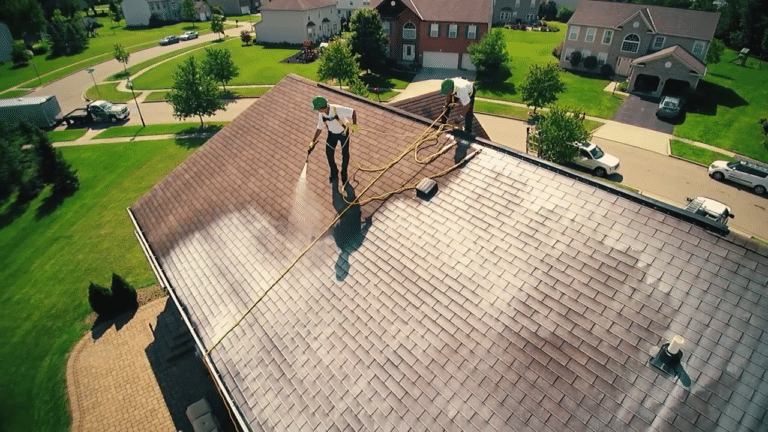
Engaging in a regular inspection routine can significantly extend the lifespan of your roof by catching problems early on. A professional roofing inspection every couple of years—especially after the harsh winter storms or summer heatwaves commonplace in Massachusetts—can help you map out necessary maintenance or repairs. These inspections often reveal less obvious issues, such as subtle water damage or weak spots that may not be visible to the untrained eye. Remember, spotting weaknesses early can prevent them from escalating into costly repairs or full replacements.
Seasonal Wear: An Undeniable Influencer on Roof Longevity
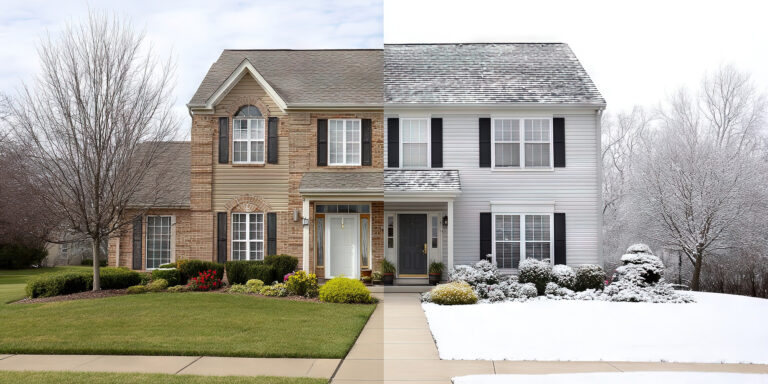
Your roof’s response to the changing seasons is a telling sign of its overall health and robustness. Sun damage during the sizzling New England summers can cause your shingles to fade and become brittle, while winter brings the threat of ice dams and the weight of heavy snowfall. It’s crucial to monitor these seasonal impacts, as they can exacerbate wear and shorten the life of your roofing materials. As you consider these signs, keep in mind that successful upkeep hinges on recognizing how each season uniquely impacts your roof.
Maintaining Your Roof: Prevention is Better Than Cure
A well-maintained roof not only provides peace of mind but can also be more cost-effective in the long run. By keeping detailed records of maintenance and repairs, you’re not just tracking history; you’re also investing in the future health of your roof. Such diligence reveals patterns that could indicate underlying issues, and addressing these early is key to prolonging your roof’s lifespan. Should you uncover a pattern of frequent issues, it might be time to consult with professionals about a replacement, which is a service you can learn more about on residential roofing.
Seasonal Changes: Knowing When to Take Action
Seasonal changes can significantly impact your decision-making process regarding roof maintenance. For Massachusetts homeowners, it’s essential to assess your roof after the region’s harsh winters and hot summers, as these are the seasons that can inflict the most damage. Bold action after these periods can mean the difference between a simple repair job and a full-blown replacement. And while considering repairs, be mindful of their cumulative cost—when frequent fixes approach 25% of the cost of a new roof, it may be more economical to opt for a full replacement with the help of seasoned professionals found at commercial roofing services.
Step 1: Understand Your Roof’s Lifespan
Learn about different roofing materials and their average lifespans. For example, asphalt shingles typically last 15-30 years, while metal roofs can last 40-70 years. Knowing this is crucial to plan replacements.
Step 2: Regular Roof Inspections
Schedule a professional roof inspection at least once every two years to catch any signs of wear and tear early. Inspections are particularly important after severe weather events.
Step 3: Identify Signs of Wear
Look for signs of aging on your roof, such as curled, cracked, or missing shingles, which can suggest it’s time for a replacement.
Step 4: Consider Seasonal Impact
In Massachusetts summers, check for sun damage or faded shingles, and after winters, look for damage from ice dams or heavy snow loads.
Step 5: Review Maintenance History
Keep records of all maintenance you’ve performed on your roof. A well-maintained roof can exceed its expected lifespan, while a neglected one may need replacing sooner.
Step 6: Evaluate Repair Costs Vs. Replacement
If frequent repairs are necessary, they may end up costing more in the long run than a new roof. When the cost of repairs approaches 25% of a new roof, consider replacement.
Step 7: Plan Financially for Replacement
Research the costs associated with roof replacement, including materials and labor. Start saving early to be financially prepared for when the time comes.
Step 8: Choose the Best Time for Replacement
June in Massachusetts is an ideal time to replace your roof due to weather conditions. Plan your replacement for summer to minimize disruption and expedite the process.
Avoiding Common Roofing Mistakes
Embarking on a DIY journey when it comes to roof maintenance and replacement can be fraught with potential pitfalls. Incorrectly managing your roof’s care can lead to greater expense and even potential injury. Here, we outline some common missteps that homeowners make, providing insight into why these errors occur and how best to steer clear of them.
Mistake 1: Ignoring Roof Lifespan
One of the most significant errors is neglecting to consider the specific lifespan of roofing materials. Remember, materials like asphalt shingles and metal have differing durations of effectiveness, and not planning for their eventual replacement can result in costly emergency repairs or sudden failure.
Mistake 2: Skimping on Regular Inspections
It’s tempting to save money by reducing professional inspections, but this can lead to missed signs of damage. A biennial roof check, especially after inclement weather, can uncover issues that the untrained eye might miss, ensuring small problems don’t progress into substantial ones.
Mistake 3: Misidentifying Wear and Damage
Homeowners often overlook minor signs of roof wear such as small leaks, missing granules from shingles, or minor warping. These early warning signs can quickly evolve into significant problems, so understanding and identifying them is critical for timely intervention.
Mistake 4: Disregarding Seasonal Effects
Failing to account for how seasons affect your roof can cause unexpected damage, such as sun bleaching in the summer or ice dam formation in the winter. Regularly check your roof after these peak-season stress periods to monitor for any adverse effects and take early action if necessary.
Mistake 5: Incomplete Maintenance Records
Not keeping comprehensive records of past maintenance can lead to repeated, unfocused repairs. Diligent record-keeping is essential to pinpoint recurring issues and determine whether maintenance or a full replacement is the most judicious approach.
Mistake 6: Repair Over Replacement When Uneconomical
Sometimes, constantly repairing an old roof is more expensive than replacing it. If repair costs are creeping up toward 25% of the cost of a new roof, it’s time to consider investing in a full replacement, which is often a more prudent long-term solution.
Mistake 7: Poor Financial Planning for Replacement Costs
A common oversight is the lack of financial preparation for roof replacement. Researching and understanding the full financial scope, and then starting to save well in advance, can prevent a budget crisis when your roof needs replacing.
Mistake 8: Ill-Timed Replacement Efforts
Choosing to replace your roof during Massachusetts’s wintertime or rainy seasons can lead to project delays and complications. Planning the replacement for summer ensures a smoother process and quicker completion, making the most of favorable weather patterns.
Financial Planning for Roof Replacement
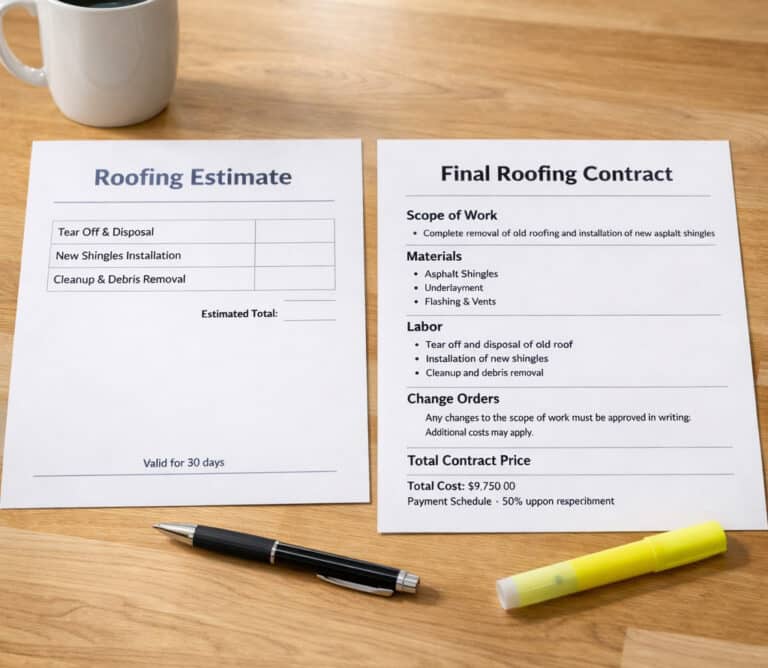
Understanding the financial implications of a roof replacement is critical for any homeowner. Researching the average costs of materials and labor ahead of time will allow you to budget appropriately and avoid surprises. It is advisable to start a roof replacement fund now, so when the time comes, the necessary resources will be in place.
Choosing the Optimal Time for Roof Work
Selecting the right time for roof replacement is about more than just personal convenience; it’s about capitalizing on favorable weather conditions. In Massachusetts, the summer months provide the ideal climate for roofing work, allowing projects to proceed with minimal interruption. If your roof is nearing the end of its life, consider scheduling a replacement during this season, and for expert help, explore the roofing material options that can fit your budget and style.